
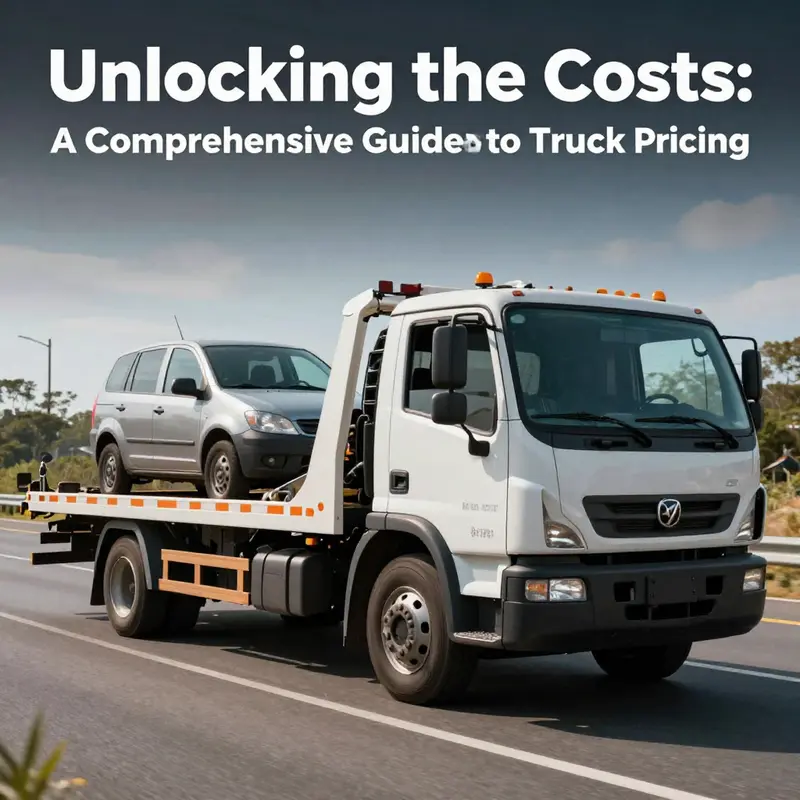
Understanding the cost of a towing truck is essential for business owners who rely on these vehicles for their operations. With prices varying significantly based on factors such as size, capacity, and condition of the vehicle, a clear insight into these costs is vital. This article provides a detailed view of towing truck prices, focusing on small, medium, and heavy-duty models. Additionally, it explores the various factors influencing these prices, equipping business owners with the knowledge needed to make informed purchasing decisions. As you navigate through the chapters, you’ll gain a comprehensive understanding of how towing truck prices are shaped and how this knowledge can benefit your business.
The Price of Rescue on Wheels: A Practical Guide to Towing-Truck Costs
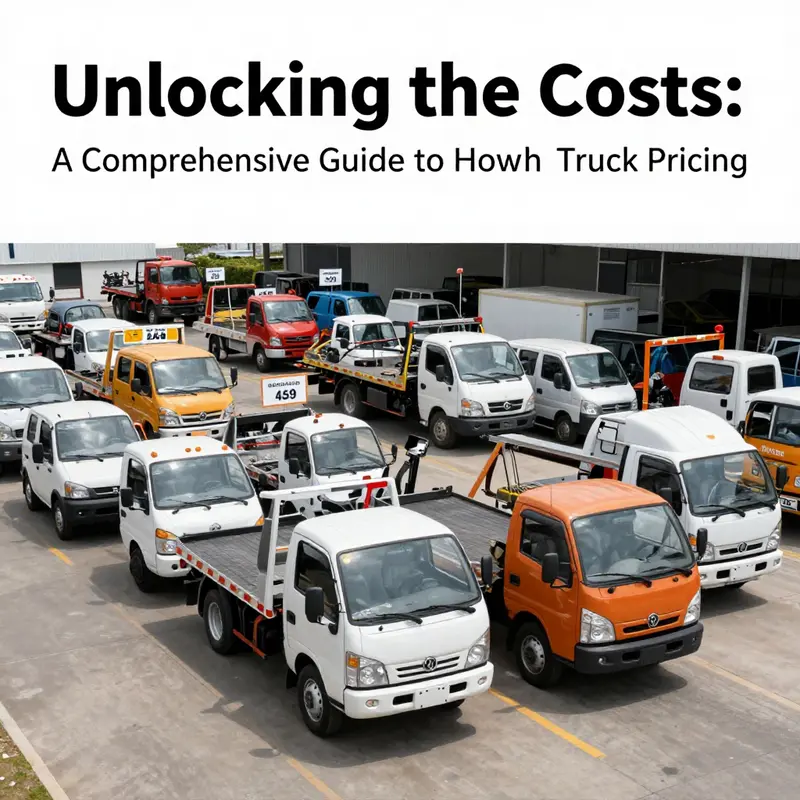
Tow-truck pricing is more than the sticker price. It reflects capacity, build quality, and total cost of ownership over time. This chapter breaks down light- to heavy-duty configurations, typical price bands, and the operating expenses that shape the true cost of ownership. For smaller fleets, a well maintained light-to-medium duty rig can balance upfront cost and reliability. Medium-duty units offer greater capacity for mid-size commercial vehicles and can pay back through faster job completion. Heavy-duty trucks handle the largest recoveries but bring higher purchase costs and ongoing expenses. Beyond purchase, maintenance, fuel, insurance, and training drive the long term cost. When evaluating options, consider duty cycle, call volume, storage space, and expected utilization to choose a configuration that minimizes downtime and maximizes uptime. In short, price is the entry point; fit, reliability, and total ownership determine value over the life of the asset.
Tow Costs Unpacked: How Distance, Vehicle Type, and Timing Shape the Price of Towing
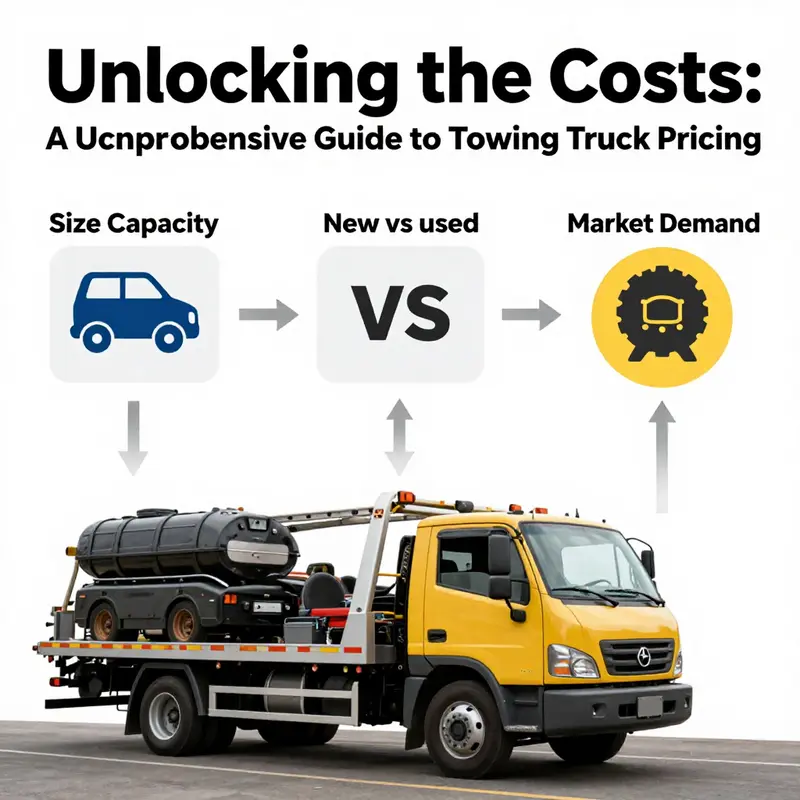
Distance is the most visible driver of towing cost, yet it is rarely the only influence. Local tows within a city or a few miles tend to cost less because they require less fuel, less time, and fewer specialized maneuvers. A local tow within roughly ten miles generally falls in a lower bracket, often cited as a rough range of around fifty to two hundred dollars depending on region and shop pricing. The longer the haul, the more the price compounds. Long distance towing, especially when crossing state lines or requiring substantial logistical planning, typically ranges from several hundred to a couple thousand dollars. In some cases, the stretch can approach or exceed two thousand, particularly if the route is complex, the vehicle is heavy, or multiple pieces of equipment must be mobilized. The variability is not just about distance. A five hundred to one thousand mile tow may involve fuel surcharges, tolls, additional operators, and specialized equipment, all of which can push the price higher. The key takeaway is to expect a base distance driven component, then anticipate add ons that compensate for the specifics of the move.
The vehicle type, size, and condition introduce another layer of complexity. Towing a compact car is conceptually simpler than moving a heavy duty trailer or a construction vehicle. Lighter vehicles usually require standard gear, perhaps a wheel lift or a basic tow dolly, and the operation can be completed quickly with minimal risk of further damage if all goes smoothly. Heavier vehicles demand more robust equipment and trained personnel. A heavy tow may rely on flatbed trailers, heavy duty winches, and multiple recovery devices. Labor and equipment costs rise with weight, height, and the potential for damage. The condition of the vehicle matters too: a non running or severely damaged vehicle often demands extra care, additional time, and sometimes specialized stabilization or salvage techniques.
The method of towing itself can be a silent but significant driver of cost. Common configurations include wheel lift, tow dolly, and flatbed. Wheel lift is often adequate for many light duty tows, offering a balance of speed and efficiency. A tow dolly can be a cost conscious choice for front wheel drive cars, but it may not be suitable for all vehicles. Flatbed towing, while often the safest option for many modern vehicles, involves more expensive equipment and sometimes longer loading and unloading times. For large or awkward cargo, the operator may need specialized trailers and cranes, which adds to equipment rental and crew time. The operator’s expertise also matters: more complex maneuvers tend to command higher labor rates, especially when extra hands or careful rigging are needed to prevent damage.
Time of day and urgency are not merely scheduling notes; they are price levers. Emergency roadside assistance, especially during late night hours and weekends, carries premium rates that reflect staffing demands, safety considerations, and the difficulty of securing resources. Some providers offer rush options for urgent calls, where faster response times translate into higher fees. If a vehicle is immobilized in a congested area or at a remote site, the tow crew may incur extra time and travel. Each hour of standby or on site time can translate into incremental charges, particularly when crews must remain on site to ensure the vehicle is secured and protected from elements or further harm.
Geography, market demand, and the economic environment of the service area further shape pricing. Urban centers with higher living costs, denser traffic, and greater demand for emergency services typically generate higher base rates than rural areas. The cost structure for a tow in a major metropolitan corridor includes direct labor and equipment fees along with overhead from maintaining multiple crews and rapid response capability. Rural regions may offer lower per mile charges but could entail longer travel times, potentially offsetting savings. Peak periods such as holidays or severe weather can push quotes higher as operators balance risk and resource constraints. For a user weighing options, a quote can vary by location and moment simply due to market dynamics.
Insurance coverage and contractual arrangements can blur the raw sticker price, but they often determine how much of the bill the vehicle owner bears. Many auto policies include some towing coverage, typically up to a modest limit. If a tow is covered, the owner may face a deductible or the difference between actual costs and policy limits. Coverage details, whether the service is within the insurer network, and what is considered reasonable and customary can all affect the final bill. In some cases, towing is arranged as a separate service or as part of roadside assistance, which can alter the price structure. Knowing whether insurance applies helps in choosing a provider and clarifies what portions of the bill to expect. For uninsured moves, the full quoted price is usually owed by the vehicle owner. It helps to obtain a clear, written estimate before any hook is made.
Beyond the basic factors, ancillary charges often transform a straightforward quote into a final invoice. Fuel surcharges, tolls, site access fees, and any required winching or securing operations can add up quickly. Some situations demand extended on-site time, which translates into additional labor charges that may not appear on the initial estimate. The goal is clarity rather than surprise, so request a written breakdown that lists base rate, hourly labor, mileage, equipment surcharges, and any after hours premiums. The practice of asking for a comprehensive line item quote helps separate predictable core costs from variable add ons that depend on on scene conditions.
For anyone evaluating options, the path to a fair price is preparation as much as negotiation. Start by obtaining multiple, detailed quotes that describe the scope of work and expected time on site. Ask how the company handles after hours calls and what constitutes an emergency move versus a standard tow. If ongoing support is likely, explore contract options that provide predictable pricing with defined response times and bundled services. A simple way to compare quotes is to translate them into a standard unit: cost per mile plus fixed fees, with notes about surcharges. This approach helps separate predictable core transport costs from variable add ons that depend on the specifics of the scene.
For readers who want to ground these concepts in a practical reference, industry benchmarks from organizations such as the American Automobile Association provide context for typical ranges in common scenarios. When immediate decisions are required, the best practice remains to secure a clear, written estimate that itemizes every component of the service—from the base fee to all surcharges—and to ask questions about any unusual line items. In summary, choosing a tow service becomes a balance of cost, safety, reliability, and appropriate coverage across the range of possible towing challenges.
Final thoughts
In conclusion, understanding how much a towing truck costs and the factors influencing its price is crucial for any business owner in need of such vehicles. The market offers a wide range of options, from affordable used models to high-end heavy-duty trucks, allowing businesses to choose based on their specific needs and budget constraints. By carefully assessing the pricing ranges and the influences behind them, you can make smarter, more cost-effective decisions that enhance your operations. As you move forward, keep in mind the potential for growth in your towing services, leveraging the insights gained to invest wisely.