
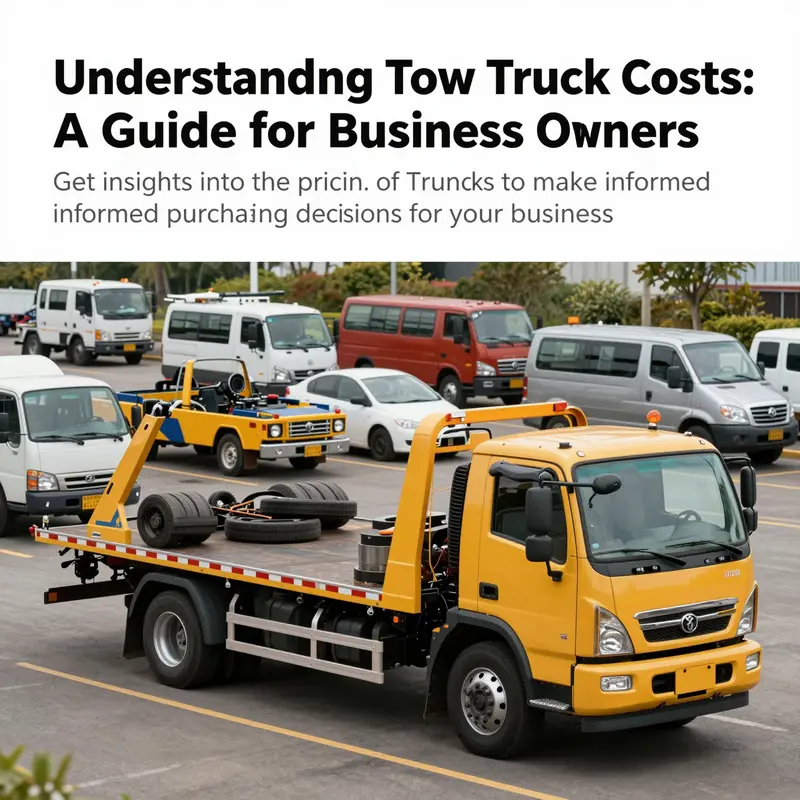
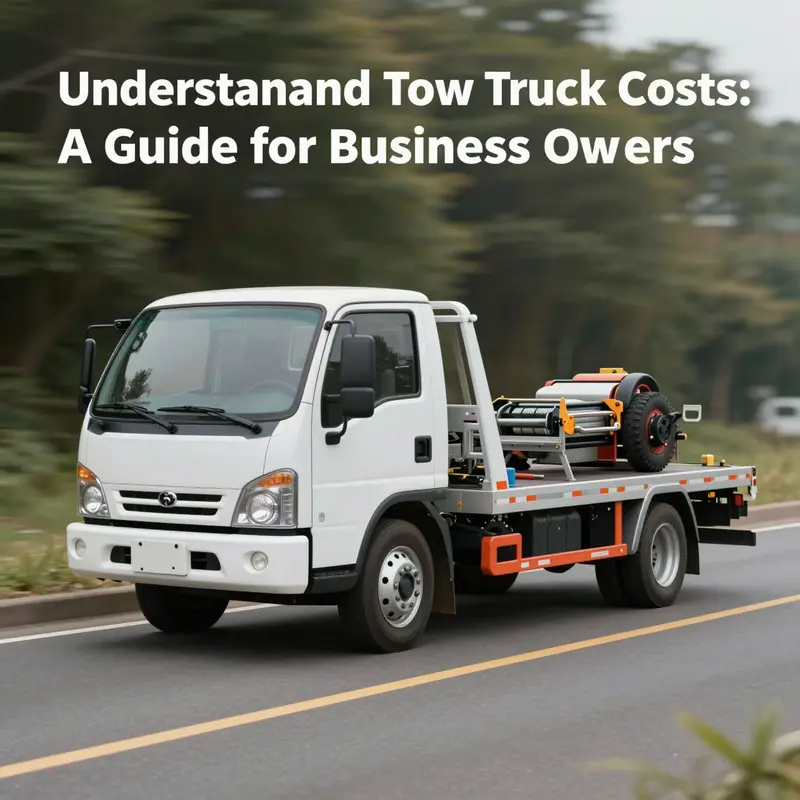
Investing in a tow truck is a significant decision for business owners in the towing and roadside assistance industry. The cost of a tow truck can vary widely, influenced by factors such as type, capacity, age, and features. This article will delve into the pricing for light-duty and medium to heavy-duty tow trucks, as well as outline the various factors affecting these prices. Understanding these elements is crucial for making an educated decision when it comes to purchasing a tow truck for your business.
null
null
Sizing Up the Medium- and Heavy-Duty Tow Truck Market: What It Really Costs to Buy
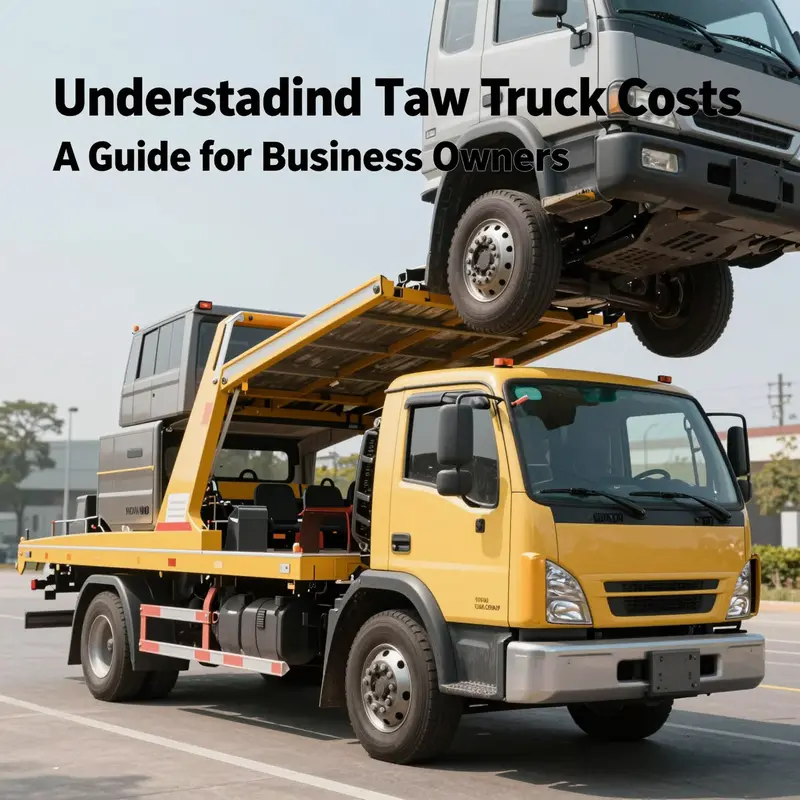
When a shop or fleet owner starts exploring the market for a tow truck, the question isn’t simply a single price tag. It’s a mosaic of capacity, configuration, and lifecycle costs that together determine the true price to pay. Buyers moving into medium- and heavy-duty categories face a broader spectrum than light-duty models, with choices that range from entry-level workhorses designed for urban relief to robust, high-capacity machines built for long-haul towing and complex recoveries. Price, in this space, reflects the work you intend to do, not just the vehicle’s sticker price. You’ll see a ladder of options where the base cost can be surprisingly approachable, yet premium configurations and specialized capabilities push prices into six-figure territory.
On the lower end of the scale, medium-duty tow trucks—those in the roughly 15-ton class—tend to present a more attainable entry point for smaller fleets or independent operators expanding beyond car and light truck recovery. Data from online B2B marketplaces shows that prices for these medium-duty units can begin around a few thousand dollars, with practical listings hovering in the three- to five-figure range for certain configurations. This entry point is shaped by factors such as drive layout, cab and chassis quality, basic towing apparatus, and whether the unit is built for right-hand drive markets or standard left-hand drive fleets. It’s a reminder that even within the same weight class, configuration choices can swing the price by thousands of dollars, depending on options and build quality. For buyers watching every dollar, this is where careful specification becomes essential to avoid paying for features that won’t be used in daily operations.
As capacity rises, so does the price, but not in a strictly linear way. A mid-range heavy-duty unit—think of the 15- to 50-ton bracket used by larger fleets for multi-vehicle recoveries and heavier trucks—often lands in a broader band. For newer units with robust frame work, upgraded winches, stronger hydraulics, and integrated towing capabilities, prices can climb into the broader four-figure to five-figure range, and, in some cases, higher, depending on the configuration and the market. A robust 50-ton class machine, designed for major incidents and large vehicle transport, frequently sits at a higher end of the spectrum. In practical terms, you’ll find price guides that place these heavyweights in a range where the acquisition cost can stretch from the low six figures into well above that threshold when you add advanced rotator or specialty lifting features. Even without brand names, the pattern is clear: greater payload, enhanced maneuverability, and more complex hydraulics all carry premium price tags.
New versus used remains the most decisive delta in the purchase equation. For light-duty equivalents, buyers typically see a wide spread between refurbished or new models and their secondhand counterparts; for medium- and heavy-duty units, the gap can be the difference between a manageable annual payment and a costly refresh cycle. Used medium- and heavy-duty tow trucks often trade hands in the range of several thousand up to mid-tive-digit figures, depending on condition, mileage, maintenance history, and installed equipment. The numbers reflect a simple reality: a well-maintained used unit can deliver reliable performance at a fraction of the cost of a new unit, but it also comes with higher risk and potentially greater maintenance exposure. For operators on tight budgets, a careful evaluation of uptime history, hydraulic system integrity, and the efficiency of the recovery gear is essential before signing a purchase order on a used machine.
Beyond the sticker price, informed buyers must weigh the total cost of ownership. A newer chassis may boast longer service intervals and more favorable warranty terms, while a cheaper unit could incur higher maintenance costs and more frequent downtime. Parts availability and service network matter, especially for heavier capacity vehicles that require specialized technicians and heavier lifting gear. In places where after-sales support is scarce, the value of a robust local service network rises sharply, because downtime translates directly into lost revenue. Financing options, insurance costs, and regulatory compliance add further layers to the cost picture. A fleet operator should model not just the initial expenditure but the ongoing expenses—fuel efficiency, tire wear from heavy-duty use, hydraulic oil, electrical diagnostics, and potential rotator maintenance if the unit includes that feature.
The market dynamics also reflect shifting technological and regulatory trends. Although the recent history of medium- and heavy-duty trucks shows price volatility tied to supply chains and material costs, there is a broader expectation that future iterations may increasingly incorporate energy-efficient propulsion and lower-emission designs. Regulators continue to tighten standards in some regions, which can influence both the upfront cost and lifetime operating expenses. While this adds a degree of complexity to the decision, it also opens channels for cost savings through newer, cleaner technology, which may offset higher purchase prices over the life of the vehicle.
For buyers mapping their needs, several practical questions help translate price into value. How much capacity is truly needed for the most common jobs—lifting, winching, and long-distance towing? Will a rotator be essential, or would a simpler slidebed suffice? How reliable is the local maintenance ecosystem for heavy hydraulics and winches, and what is the turnaround time for service? These considerations often determine whether the best numerical choice is a lower-cost medium-duty unit with a tight, predictable workload or a higher-cost heavy-duty machine that provides long-term resilience for a growing fleet.
In parallel with the pricing puzzle, buyers can consult current market data to anchor expectations. An explicit takeaway from market observations is that medium-duty models can begin at relatively modest entry points, while heavy-duty, high-capacity units commonly command significantly higher investments, particularly for new builds with advanced configurations. The price range for 50-ton-class heavy-duty units illustrates the upper end of the spectrum, reminding buyers that the most capable machines carry premium premiums—especially when they incorporate integrated towing, slidebed functionality, or rotator capabilities. For those scouting options online, platforms hosting a variety of configurations can offer a sense of how designs translate into price across brands, regions, and service terms.
To assist buyers in their due diligence, consider visiting local or regional service pages that discuss tow-truck capabilities and service options, such as detailed pages describing towing service coverage in specific metropolitan areas. These resources help align the choice of equipment with the operational footprint, ensuring the selected truck can be supported by a nearby network. For readers exploring regional options, a local resource on Washington, DC-area tow services can provide context about fleet composition and maintenance support in that market. See this reference for context: tow-truck-service-washington-dc. This link illustrates how buyers weigh service availability alongside price when planning a purchase.
If you’re seeking broader price anchors and vendor options, online marketplaces and global suppliers offer perspectives on entry-level medium-duty units and high-end heavy-duty configurations. An external resource that reflects the breadth of options in this segment is available at Alibaba’s listings for medium-duty tow trucks, which showcases a wide range of configurations and price points across markets. This resource helps frame the lower bound of the market and demonstrates how price scales with features and build quality. External reference: https://www.alibaba.com/product-detail/Medium-Duty-Tow-Truck-For-Sale_1600854744462.html. The comparison across regions underscores how currency, shipping, and after-sales terms influence the final outlay and total cost of ownership.
In sum, the decision to buy a medium- or heavy-duty tow truck hinges on aligning capacity with the typical workload, while factoring in used versus new, available service networks, and the total cost of ownership. A practical strategy is to define the minimum capacity needed for daily tasks, then map out the marginal value of additional features such as rotators or integrated towing. By anchoring expectations with current market ranges—low entry points in the medium-duty space and substantially higher figures for the most capable heavy-duty units—buyers can craft a procurement plan that aligns with both budget and the long-term health of the fleet. The result is a purchase that supports reliable service delivery today while preserving flexibility for future growth.
Tow Trucks by Design and Dollar: How Type, Size, and Gear Set the Price You Pay
Buying a tow truck is more than selecting a single vehicle option. It is a strategic purchase that must align with the scope of work, the typical vehicles recovered, and the local operating environment. The price you pay reflects a combination of purpose-built design, the scale of operation, and the level of equipment installed. In practical terms, the most influential factor is the vehicle type, because each model is engineered for a distinct set of tasks and arrives with a different balance of complexity, capability, and upkeep. A basic flatbed, for instance, emphasizes safe transport of a wide range of cars by using a hydraulically tilting bed and a platform that can be driven onto or winched onto the truck without ground contact. This design minimizes damage and lowers maintenance over time, but it carries a price premium that grows with bed length, internal winches, and added safety systems. In the same breath, a rotator tow truck represents the apex of versatility and power. Its rotating boom can move in 360 degrees, tilt, extend, and lift vehicles from awkward angles or unstable positions. The rotator is a specialist tool for heavy-duty recovery, overturned trucks, and difficult terrain, and that specialization is precisely why its price tag sits at the top end of the spectrum. The contrast between these two configurations—flatbed and rotator—illustrates how the purpose of the asset shapes the cost curve. The bed design, the lifting mechanism, and the control systems are not generic features; they are the core differentiators that determine how the truck will be used and how quickly the investment will pay for itself over time. Alongside the core type, the operator must weigh capacity, or how many tons the truck can handle in a given lift. Light-duty units in the five- to eight-ton range operate as flexible workhorses for daily towing tasks, accident scenes, and routine vehicle transport. They tend to command lower upfront prices than heavy-duty units, yet their performance envelope remains intentionally narrow to keep maintenance manageable and operating costs predictable. Medium to heavy-duty machines, such as those around the 15-ton class, are built for larger vehicles and more demanding commercial workloads. They offer greater reach and more robust hydraulic systems, which translates into higher purchase costs but also expanded service possibilities and potentially longer service lives when properly maintained. For the largest jobs—major accident recovery or heavy vehicle transport—50-ton recovery vehicles push the upper end of the price spectrum. These are not everyday tools; they are purpose-built machines designed to tackle the most challenging recoveries, with the stabilizing outriggers, multi-axle configurations, and heavy frames that keep them stable under extreme loads. The price you see for such equipment mirrors not only the raw mass but the sophistication of the control hardware, the protection features, and the reliability demanded by critical response scenarios. The second major price driver is new versus used status. Used tow trucks can present substantial savings, often in the range of roughly $15,000 to $25,000, depending on condition, mileage, and the presence of essential service records. The trade-off is clear: reduced upfront cost comes with increased risk of maintenance surprises and shorter remaining lifespans. For buyers with tighter budgets or a desire to test a particular model before committing, a well-vetted used unit can be a prudent entry point. By contrast, new units bring the latest technology, warranties, and the confidence of a clean slate. If you pursue a new path, expect a broader range of price points that can stretch from the mid-five figures into six figures, influenced by bed length, engine configuration, and the sophistication of onboard systems. In some markets and with certain configurations, the price can even exceed six figures for high-specification flatbeds with integrated diagnostics, GPS, and reinforcement upgrades. A third factor is the level of customization and the specific add-ons chosen at purchase. Features that improve efficiency and safety—such as enhanced hydraulic systems, powerful winches, advanced GPS tracking, cameras, onboard diagnostics, or reinforced chassis—tend to lift the base price. These enhancements often pay for themselves through faster response times, reduced vehicle wear, and better asset protection at the scene. Similarly, brand and reputation matter. Well-established manufacturers with strong after-sales support can command higher prices, but they also tend to deliver greater reliability and easier access to parts and service. The regional market matters as well. Prices rise in areas with higher labor costs or greater demand for towing services, and they can dip when supply chains are favorable or when import duties compress margins for contenders from abroad. All these factors weave into the total cost, so buyers should model not just the sticker price but the ongoing costs of ownership. Maintenance, fuel consumption, insurance, licensing, and potential downtime during service all factor into the true economics of owning a tow truck. Planning for these expenses helps prevent sticker shock and supports a clearer assessment of return on investment. The numbers reflect a broad spectrum. Basic flatbed configurations generally sit in the mid-range of the market when new, with prices that climb as bed length and capability increase. Rotators sit at the far end, reflecting the specialized equipment and the demanding training they require. Light-duty units can fall toward the lower end of the new spectrum in markets where competition is intense or where the initial equipment package is pared down, yet they can still reach higher price bands when loaded with premium systems. Used models carve their own path, offering affordability but carrying the risk of hidden maintenance burdens. For readers curious about how pricing translates into regional choices, local providers often illustrate stark contrasts in price and service scope. In places with robust towing markets, you might observe a wider spread between entry-level and premium configurations, and the availability of used inventory adds another layer of price variability. For a sense of how these dynamics play out in a specific locale, consider exploring regional options such as Washington, DC, where service landscapes and price structures can differ from other markets. Washington, DC towing services can serve as a practical example of how capabilities, demand, and vendor networks shape the price-to-capability equation. And for readers seeking a broader industry context on price, features, and applications, professional references provide detailed comparisons and practical guidance. One reputable overview discusses how bed design, lifting mechanisms, and integrated systems drive cost, from basic flatbeds to high-end rotators, and how that translates into long-term value. It also emphasizes that while basic models start at a relatively accessible level, the full price ceiling for specialized units can exceed the midrange by a wide margin. External industry resources illuminate how these decisions play out in real operations, including typical ownership costs and maintenance considerations that often matter more than the initial sticker price. Understanding these dimensions helps buyers choose a configuration that aligns with their daily demand, not just their budget. For those who want a compact takeaway, the core message remains: choose a tow truck type that matches the workload; add only the features that deliver measurable value; and realistically assess total ownership costs over the life of the asset. External reference: https://www.towtruckworld.com/tow-truck-prices/
Final thoughts
Choosing the right tow truck involves understanding its pricing and the various factors that influence these costs. From light-duty models ideal for everyday needs to heavy-duty trucks capable of handling larger vehicles, knowing your requirements and the market pricing is vital. By considering the insights and information shared in this guide, business owners can make informed decisions that align with their operational needs and budget considerations.