
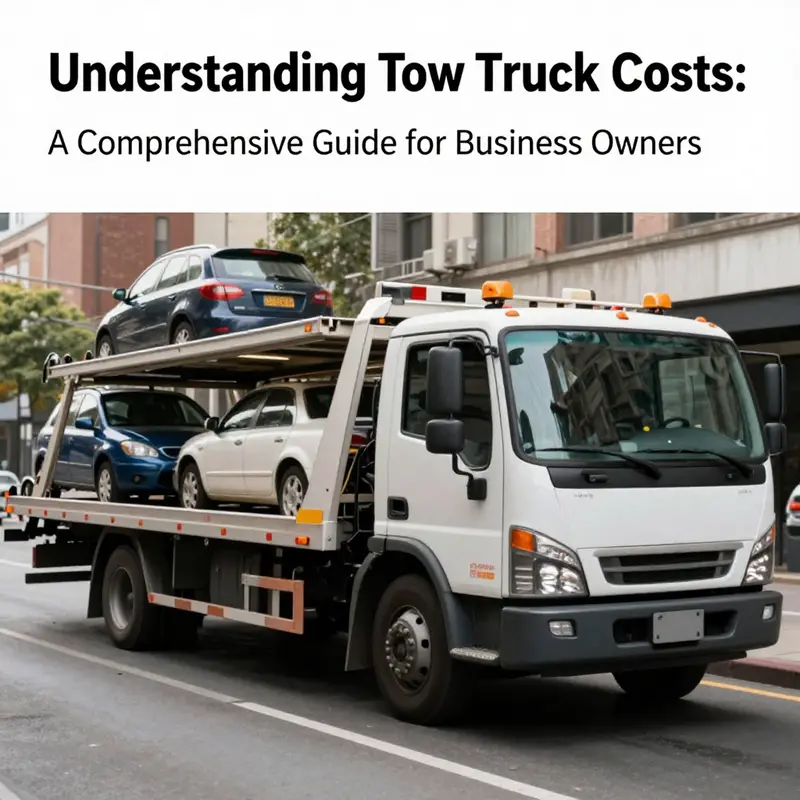
Tow truck services play a crucial role in maintaining vehicle mobility, especially for businesses reliant on commercial transportation. However, the landscape of towing costs can be intricate, influenced by factors ranging from vehicle type to emergency scenarios. Understanding the price structures of these services is vital for business owners to budget effectively and strategize for unforeseen incidents. In this guide, we will dissect the cost breakdown of local towing services and examine the various elements that contribute to pricing during emergency scenarios, empowering you with the knowledge needed for informed decision-making.
null
null
Tow Wars on the Highway: Decoding the Price of Emergency Towing When Every Minute Counts
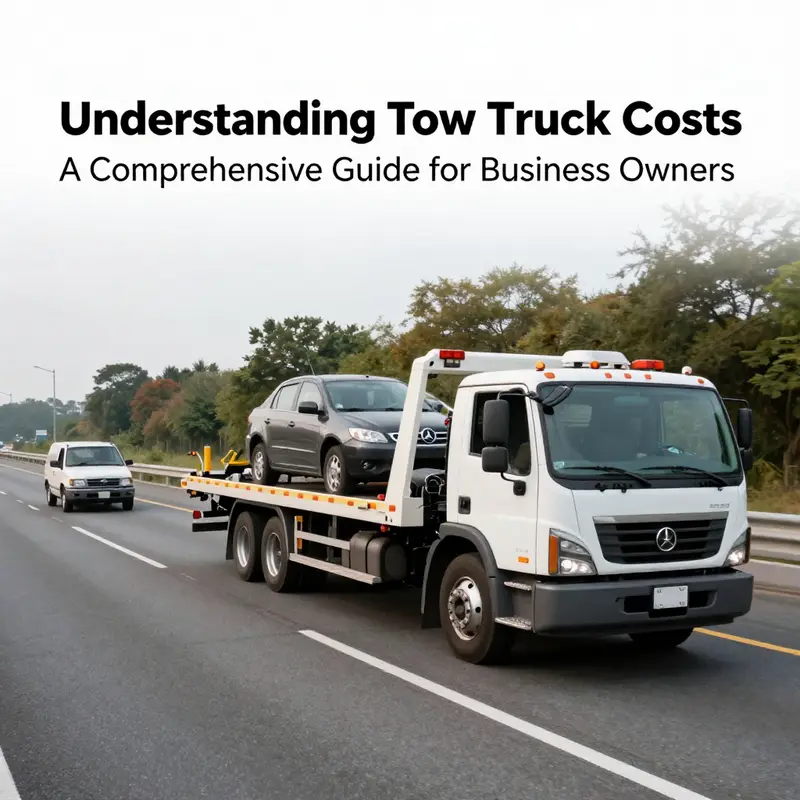
When a roadside crisis hits, the numbers on the tow bill feel like a hidden map, guiding you through a maze of costs you never planned for. Yet price is not a single fixed figure. It shifts with the setting, the hour, and the specifics of the vehicle and the rescue job. In emergency scenarios, understanding what drives those costs helps you respond calmly and avoid sticker shock when the tow truck finally arrives. The core determinants are location, timing, distance, vehicle weight, and the complexity of the operation. Each of these factors interacts with the others to shape the final total, so the best way to approach an emergency tow is to know what might push the price higher and what might keep it closer to a baseline.
Location sets the baseline for almost every service call. Towing in a dense urban center or a congested corridor tends to be pricier than in rural areas, for reasons that are practical and financial at once. Urban tow crews face higher operating costs, including fuel, insurance, and the need to maintain a rapid response footprint amid traffic and parking constraints. Dispatch and labor costs also rise with demand when streets are crowded and lanes are blocked by incidents. On the other hand, rural areas may exhibit lower base rates but longer travel times to reach a stalled vehicle or to deliver it to a nearby shop. In emergency situations, this geographic variance becomes especially pronounced because the dispatch must account for the nearest available unit that can reach the scene quickly. A few miles can tip the balance between a standard, predictable fee and a surge that reflects scarce resources during a critical hour.
Time of day matters almost as much as location because it intersects with availability. Emergency towing often carries a premium during nights, weekends, and holidays when the usual staffing patterns are disrupted. This is not simply a cosmetic markup; it reflects the need to mobilize on-call personnel, reserve equipment, and sometimes dispatch from a farther away depot. When a vehicle breaks down on a highway at 2 a.m., the tow operator is balancing the urgency of reopening a lane and the safety of the crew against the costs of keeping a unit ready to respond at odd hours. The premium for after-hours service, in many markets, is a direct function of the risk, the labor commitment, and the logistics required to get a unit to a hazardous location without delay. Some regions also impose regulatory or municipal charges for late-hour operations, further shaping the final number that lands on the invoice.
Distance is another pivotal lever. The first miles are often embedded in a base fee, after which mileage charges accrue. In consumer-facing terms, a short local tow may carry a base that covers the initial portion of the trip, with a per-mile rate applying to the remainder. Longer tows extend the distance-driven portion of the cost, and those rates can escalate with weight and complexity. It is common for the initial segment of the tow to be priced differently from the ongoing travel, especially when the destination involves moving the vehicle from a remote storage yard or a repair facility outside the original service zone. A tow that must travel across a county line or into a major corridor can quickly climb from a straightforward local tow into a more expensive long-distance transport, with the mileage rate reflecting wear, fuel, and time that could have been allocated to other calls.
The vehicle type and its weight are not merely curiosities; they determine the equipment and manpower needed. Small sedans are easier to lift and tow with a standard rig, but larger vehicles such as SUVs, crossovers, or light-duty trucks require heftier hardware and more precise handling. The risk profile changes as well. Heavier or wider vehicles demand specialized chain setups, longer ramps, and sometimes multiple operators. The complexity of the tow grows if the vehicle is in a tight space, on uneven pavement, or in a compromised position after a collision. In such cases, winching, multiple lifts, or a staged extraction from a precarious spot may be necessary. Each of these steps adds labor hours, equipment wear, and the chance for delays that ripple into the price. The net effect is a higher rate both for labor and for the specialized gear that protects the vehicle during transport.
Beyond size, the exact towing method necessary to secure and move the vehicle influences cost. A basic flatbed tow provides broad protection and minimizes risk for modern cars, including those with all-wheel drive or low ground clearance. But flatbeds can be more expensive than conventional hook-and-tow setups because they require different trailers and crews with experience in loading modern hardware. Rotator and crane-equipped tow trucks, reserved for difficult recoveries such as vehicles in water, overturned cars, or pockets inaccessible to standard rigs, carry a premium that reflects the specialized training and equipment involved. The decision between a standard tow, a flatbed, or a more specialized rig is not arbitrary; it rests on the safest and most efficient way to move the vehicle while protecting other road users and the vehicle itself. As a result, the same emergency scenario can unfold into different dispatches depending on what a technician assesses at the scene.
Then there is the sheer complexity of the tow. If a vehicle is trapped in a precarious position, stuck in mud, or damaged after a crash, additional labor, safety measures, and perhaps multiple crew members will be required. The proximity to hazards, the terrain, the weather, and the presence of others on the scene all factor into the decision tree that determines how the job is executed. Each added layer—extra winching, careful rigging, re-securing the vehicle for transport, or extracting it from a hazardous zone—translates into additional hours or equipment usage. The price climbs not because the base service changed but because the scope of the job broadened to ensure safety and compliance with relevant regulations.
Emergency service urgency itself is a distinct pricing element. When immediate assistance is non-negotiable, dispatch speed becomes part of the equation. A unit that must be diverted from another call to respond quickly may justify a higher dispatch fee or a guaranteed response time. The underlying rationale is simple: the provider accepts the risk and opportunity cost of leaving other customers waiting so that you can resume mobility sooner. To consumers, the practical implication is that if you have multiple drivers or wrenches turning in your hour of need, the speed and certainty of service come at a price that reflects the value of urgent reliability. This is not a moral judgment on the company’s pricing; it is an operational constraint rooted in the realities of 24/7 roadside assistance.
Several additional charges commonly appear in emergency invoices and can surprise first-time callers. After-hours surcharges are a recurring theme, particularly on weekends or holidays when staffing patterns are thinner. If your vehicle carries hazardous materials, a small extra fee is occasionally invoked due to heightened safety requirements. In some jurisdictions, if the tow requires an alternate method or an unusual lift, a separate fee for labor or equipment usage may be appended. Then there are more punitive items that some buyers encounter, such as no-show or abandonment fees if the service is canceled without legitimate cause. And while rare, impound fees can enter the bill if the vehicle must be kept at a police lot or a similar facility after rescue, even temporarily. In the aggregate, these ancillary charges can turn a mid-range tow into a substantial expenditure, especially when the escalation of risk or distance compounds with a string of add-ons.
Consumers seeking transparency can mitigate the risk of surprise by engaging in proactive communication before a service is performed. If a caller can obtain a written quote or a line-item estimate, they will better understand what is included and what might be considered extra. Asking for a clear breakdown—base fee, per-mile charges, after-hours surcharges, and any potential add-ons such as crane time, winching, or storage—helps convert fear and panic into a manageable decision. It also encourages dialogue about the most efficient route, potential alternatives for storage, and the probability of additional fees should the scene require extended work. In many markets, the ability to receive an online quote or immediate mobile-app estimate helps set expectations before the crew arrives, which is especially valuable when emotions run high and the driver urgently wants to reach a repair shop to resume travel. When possible, contacting several providers to compare rates and confirm inclusions is a prudent step, even in the middle of an emergency, because the lowest upfront price does not always reflect total cost once all factors are accounted for.
As you navigate the practicalities of emergency towing, you can ground your decision in real-world knowledge of what tends to drive the price higher and what can be anticipated as part of a typical bill. For instance, for a small car in a standard local tow, the base fee usually covers the first ten miles, with additional miles priced on a sliding scale. In highway or emergency contexts, the base is higher to account for the enhanced risk and specialized equipment, with escalating per-mile rates that reflect the greater distance, safety considerations, and the need to deploy more resources. Large or heavy vehicles raise the baseline still further because they demand heavier equipment, longer ramps, and more labor to secure and transport safely. For a recovery that involves a precarious position, such as a car on a steep incline or in water, the price hinges on the time, personnel, and gear that must be committed to complete the job without compromising safety. And for outright urgent scenarios, the premium for a rapid response can be the defining component of the total.
If you want to see a concise synthesis of these factors and how they typically play out in numbers, consider the broader framework that many industry guides offer. They describe a structure of base fees, mileage charges, and variable surcharges that map onto the categories discussed here. The practical takeaway is straightforward: understand the likely range before you need it, and document the quote with a line-item view of what each component means. This approach gives you a clearer sense of how a price can rise or fall with the specifics of your emergency and helps you negotiate with the provider if the scene allows for it. In practice, that means asking for a written estimate that includes the base charge for the first leg of the tow, the per-mile rate after the initial distance, and all potential extra fees or services that might apply depending on the scene. It also means understanding what storage costs could apply if the vehicle must be kept at a yard for a period while repairs are arranged.
For readers seeking a concrete sense of how these factors translate into numbers, consider the following scenario as a mental model rather than a promise of exact pricing. A small sedan stranded on a city street after a breakdown might incur a base fee in the range of a few hundred dollars for the first ten miles, with modest per-mile charges after that distance. If the same call comes in on a highway late at night, the base amount could be higher, and the per-mile rate might rise to reflect the urgency and the drive time. If the car tows to a nearby repair shop, the total could stay within a couple of hundred dollars more than the local tow, but if the vehicle is large, or if a rotator or crane is required to extricate it from a difficult position, the price could climb significantly more. The pattern across scenarios is consistent: scarcity of units, distance to move, and the complexity of the operation converge to shape the bill in ways that can surprise a caller who is not prepared with context.
In practical terms, you can cultivate a calmer response in the middle of a crisis by familiarizing yourself with these dynamics ahead of time. If you are in a metropolitan area and you have access to a trusted provider for emergency towing, knowing their typical rates, the common surcharges, and what qualifies as a standard vs. premium service helps you interpret the arrival message and the estimate that follows. If you live in a region where public service initiatives or regional policies have altered how roadside assistance is priced, you might see even more variation from one day to the next. The bottom line remains consistent: the price is a function of location, timing, distance, vehicle type, and the operational complexity of the rescue. The more you know about these factors, the more you can participate in the pricing conversation with clarity rather than frustration.
For readers who want to explore practical options and keep a finger on the pulse of local availability, it helps to connect with a provider that can offer transparent, real-time quotes and a straightforward explanation of charges. If you are seeking a regional example within the DC area, you can refer to a local provider with a rapid-response track record using this dedicated service page: tow-truck service in Washington, DC. It illustrates how a local firm frames emergency pricing and dispatch, while still encouraging consumers to compare quotes and verify inclusions before committing to service. While the link above points to a specific regional page, the underlying principle applies broadly: understand the structure of the charge, confirm what is included, and be prepared for the possibility of additional costs that reflect the unique constraints of the scene.
External resource for broader context: https://www.aaanational.com/towing-costs-factors-to-consider/
Final thoughts
In conclusion, understanding the costs associated with tow truck services is essential for business owners to navigate the complexities of vehicle maintenance and emergencies effectively. From local towing rates influenced by vehicle size to the unexpected charges that can arise during emergencies, comprehensive knowledge equips you to make better financial decisions. It is advisable to always confirm pricing with service providers beforehand to avoid surprises. As you strategize for potential roadside incidents, being informed and prepared can help mitigate costs and ensure smoother operations for your business endeavors.