
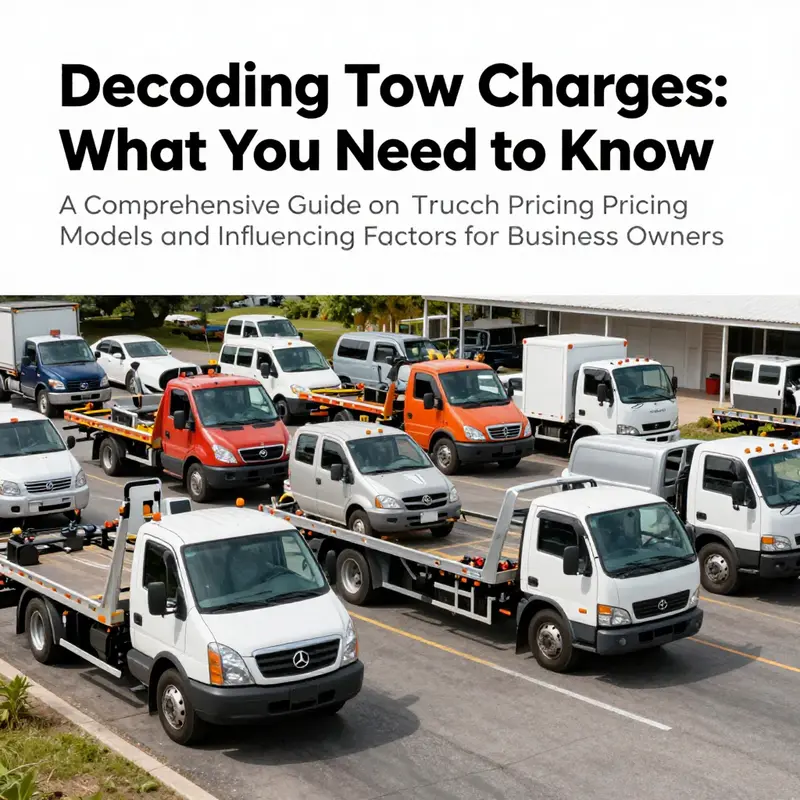
Understanding the costs associated with towing services is essential for business owners who may find themselves needing such services. Tow truck charges can fluctuate widely based on various factors, primarily the distance involved and the type of vehicle being serviced. This article delves into how these charges are structured and explores the factors that influence the final towing cost, ensuring that you are well-informed and prepared should you need towing assistance. We’ll begin by examining common pricing models, then delve into the crucial influences that can affect total costs, equipping business owners with the knowledge to make better decisions.
null
null
The Mile Equation: How Vehicle Type, Distance, and Location Shape Tow Truck Charges
When you need a tow, the figure that lands in your inbox or on your receipt often comes with more variables than you expect. A common starting point is the idea of a base fee plus a per-mile charge, a structure that mirrors many service industries. The most frequently cited example in consumer guidance is a base fee—often around fifty dollars—paired with a per-mile rate that can hover near one and three-quarter dollars. If you were to see a total like seventy-one dollars for a tow, you could deduce the tow traveled a little over six miles under that model. But this is only the surface. The real price you end up paying reflects a layered set of decisions made before, during, and after the tow begins. Understanding these layers helps you anticipate costs, negotiate when appropriate, and avoid the jolt of surprise fees when you’re already stressed by a vehicle breakdown or an accident.
The mile, in this sense, is not just distance traversed; it is a measure of the work required, the resources consumed, and the operational realities behind every assignment. The simplest way to picture it is to imagine a two-part equation where the first part is fixed: a base service fee that covers dispatch, arrival, and basic mobilization. The second part is variable: the miles driven, multiplied by a rate that can shift with circumstances. Yet even this straightforward framework hides a web of conditions that influence the final tally.
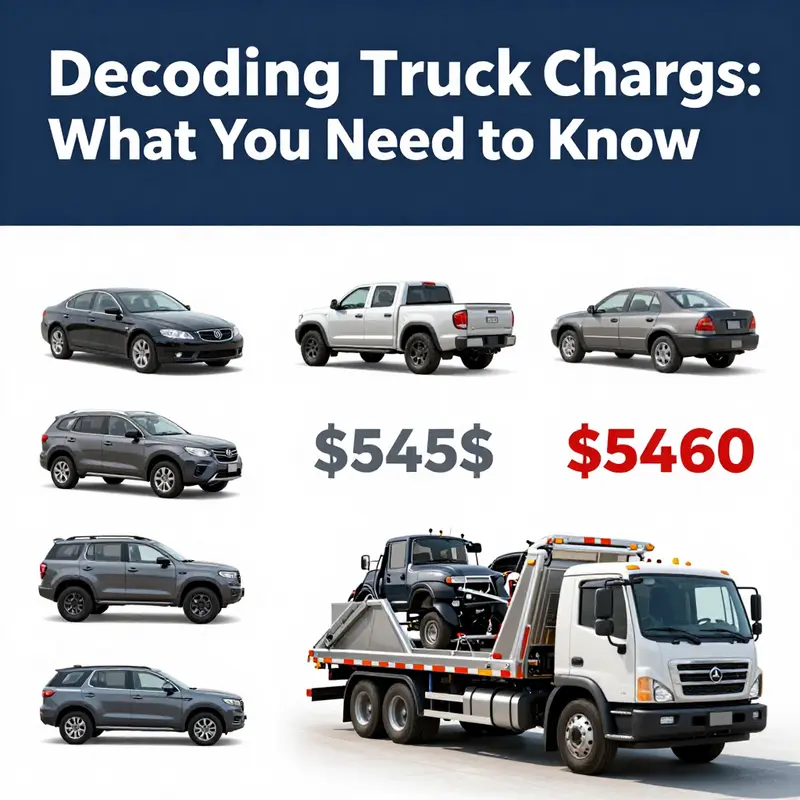
From the beginning, the vehicle’s weight and configuration are key. A small sedan imposes relatively modest demands on the tow rig and the crew. The job becomes more complex as the vehicle grows in size or weight: a large SUV, a pickup with a heavy bed, or a commercial vehicle may require special equipment and additional manpower. The equipment itself matters. Some tows necessitate a flatbed to avoid additional damage to a front-engine or all-wheel-drive car; others rely on a wheel-lift or a winching system. Each setup carries its own cost implications, not merely for the mile traveled but for the readiness, maintenance, and expertise required to deploy it safely.
Location sharpens the edge of the cost curve in predictable ways. Urban areas typically pile on higher labor costs, stricter regulatory overhead, and more traffic that increases the time to reach a scene and then to complete the tow. The same mileage in a bustling city can feel more expensive than a similar distance in a rural setting, where crews may encounter fewer traffic delays but possibly longer drive times to the next destination. Yet rural pricing isn’t always cheaper; longer tows across open terrain can accumulate miles quickly, and some operators apply distance brackets that escalate the rate after crossing certain mile thresholds.
Time of day and day of week are invisible multipliers that customers often overlook until they receive a bill. Emergency or after-hours service costs can surge, sometimes doubling standard rates, as the company must staff for off-peak hours, absorb higher insurance premiums, or offset the risk and unpredictability of late-night roadside work. Holidays can bring premium surcharges as well, reflecting the same basic economic principle: scarcity of availability and the higher value of reliable, immediate service when it’s most needed.
To a careful observer, the price per mile is rarely a single fixed figure. It is a dynamic rate that reflects distance bands, the vehicle’s attributes, the terrain of the locale, and the timing of the tow. For instance, a common local-to-mid-range framework might charge a baseline plus a per-mile fee, but the per-mile portion can vary across distance brackets. Short hauls might be priced more aggressively per mile to keep the service practical and accessible; very long hauls may deploy a different ladder to balance the cost with the wear and tear on the equipment.
What this means for a consumer is simple in concept but rich in practical implication. If you want a predictable bill, you should ask for a written estimate before any work starts. The estimate should include the base service fee, the per-mile charge, and any additional line items you might encounter—towing equipment surcharges, after-hours premiums, storage or impound fees if the vehicle can’t be delivered immediately, and any diagnostic charges if the operator tests connectivity or performs on-site assessments.
The value of an upfront written estimate becomes especially evident when the vehicle type complicates the operation. A standard car is straightforward, but a heavy vehicle, a car with a damaged axle, or a vehicle requiring a flatbed changes the calculation. Large or specialty vehicles demand more from the rig, more space on the tow truck floor, and often more crew time. The more specialized the equipment, the higher the marginal cost per mile tends to be, not just because of the physical distance but because the operation demands greater expertise and risk management.
Location also shapes the narrative of cost in subtler ways. A mile billed in a dense urban core can include the cost of parking, congestion management, and even the challenge of accessing a narrow alley or a congested curbside. In suburban zones, the pricing interior might reflect slightly lower labor rates but longer drives between pickup and drop-off points. Rural towing, while potentially benefitting from lower hourly rates, can still set a high mile price if the distance between the pickup and the destination is long enough to trigger a large mileage component.
For many people, the most meaningful way to interpret these factors is to focus on the practical implications for budgeting and decision-making. If you are stranded, your instinct will be to call the first operator you see, but taking a moment to ask a few precise questions can save money and stress. Start with the estimate: ask for the base fee, the per-mile price, and a breakdown of all potential surcharges. If the distance is uncertain, request a rough range and a contingency for extra miles in case the driver needs to navigate detours or delays. If the vehicle is heavier or requires special equipment, confirm whether that will add a flat equipment fee or push the per-mile rate higher across the board.
In many communities, the internal finance of towing quotes becomes clearer when you know what to expect in terms of local practices. For example, in some metropolitan areas, dispatchers will quote a price that assumes the tow will be completed with standard equipment and a typical vehicle. If the vehicle is larger or the access point is difficult, the quote may balloon to reflect those realities. In other markets, the operator relies on tiered pricing structures that trigger a new rate block once the distance passes a defined mile marker. Either way, you should demand transparency, a written breakdown, and a clause that the final cost will not exceed a stated maximum without your explicit consent.
To illustrate how the miles and weight interact in real life, consider a hypothetical scenario that could unfold in a busy Mid-Atlantic corridor. A driver arrives to tow a mid-size SUV late at night after a minor collision. The base fee accounts for dispatch and arrival, while the per-mile charge accrues for the distance to the recovery site, the route to the repair facility, and any detours necessitated by blocked streets or construction. Because this is after hours, there might be a modest after-hours surcharge. The vehicle’s weight and the need for a flatbed add to the pickup and operational complexity, potentially requiring a longer setup time and specialized handling. The final bill, therefore, is not simply miles multiplied by a rate; it is the accumulation of these discrete decisions—each with a rational basis—woven into a single total.
The practical takeaway for readers is pragmatic: enter a tow with a plan. If you can, have a rough sense of the distance to the destination and the kind of vehicle you’re asking to move. If you’re unsure, ask the dispatcher to describe how the distance might translate into charges given your vehicle type and the location. At a minimum, request a clear invoice that itemizes base fees, per-mile charges, and any ancillary costs. It’s not merely about protecting a wallet; it’s about establishing ownership of the experience when you are at your most vulnerable.
Local knowledge matters, too. In city neighborhoods that we recognize as hubs of commerce and transit, you may encounter a higher density of service providers and a more complex pricing ecosystem. In the sprawling outskirts, the same practical framework applies, but the economics can lean toward longer distances and different operating costs. When you find yourself in a familiar locale—perhaps in or around a major metropolitan area—you can use that familiarity to ask pointed questions about how the price is constructed. For residents who frequently navigate these services, it can be helpful to build a mental map of typical mile thresholds and the associated rate changes, so you can estimate a future bill with a reasonable degree of confidence.
If you want to explore a neighborhood-specific perspective, you can glimpse how providers describe their service options in the Washington, D.C. area, where urban accessibility often intersects with aggressive peak-hour demand. While I avoid naming particular brands here, you can locate service information and coverage in your own zip code and inquire whether there is a link to a detailed pricing guide on local operator pages. For instance, a page dedicated to a broad service area can offer a practical sense of typical base fees and mile rates while also highlighting any regional peculiarities—such as a premium for highly congested routes or a policy around deadheading the tow truck back to its base after a long assignment. This kind of information helps consumers prepare for the actual call and helps prevent sticker shock when the tape measures and the odometer become the basis for a bill.
One useful way to think about it is to reframe the conversation around value, not just price. A fair tow is one that balances the cost with reliability, safety, and speed. You want a crew that can handle your vehicle without creating further risk, a process that sometimes requires longer setup or more careful maneuvering. A lower per-mile rate may become unattractive if it comes with frequent delays, lack of transparency, or inconsistent charges. Conversely, a higher base fee might be justified if the operator provides precise, up-front estimates, arrives promptly, and completes the tow with minimal risk of damage. The quality of service—not merely the quoted rate—shapes the real cost you bear.
In any case, the best practice remains the same: insist on an estimate before the tow begins. A credible dispatcher will provide a clear breakdown and an expected range, explain any contingencies, and confirm whether there are any non-mile charges that could affect the final sum. If you are in a city or a region where a reliable local provider maintains an online hub, you can check for a dedicated pricing guide or a transparent charging policy that explains what is included in the base fee and how the per-mile rate is calculated. The existence of such a document does not guarantee perfection, but it does offer a baseline from which you can evaluate the bill after the fact.
Along this thread of practical guidance, it is worth noting how customers sometimes move from concern to empowerment. Many people find it helpful to compare multiple quotes for the same job, which forces providers to justify their numbers and to reveal hidden costs. Even if you end up choosing a single provider, having a second quote as a reference can illuminate whether one company tends toward higher base fees but lower mileage rates, while another might publish a modest base fee with a steeper per-mile charge. Such comparisons reveal the truth that the rate you see is rarely derived from a single universal rule; it is the product of a negotiation between the customer’s needs and the operator’s constraints.
As readers navigate this landscape, a simple correspondence remains foundational: transparency. Ask for the total estimated cost in writing before the tow goes on the road, and request a line-item breakdown that shows the base fee, the per-mile charge, and each surcharge. If you are dealing with a scenario in which you may require storage or later service, verify how those costs are handled and whether they can be itemized separately. You can also seek out local consumer protection resources that provide guidance on typical pricing and rights when a tow is billed after the fact. In contexts where hourly or mileage-based pricing is common, keeping a mental tally of miles and time can help you compare actual versus quoted costs in real time.
For further local context and a deeper sense of how these pricing conventions materialize in everyday towing, you can explore area-specific service pages that describe coverage and pricing in places where access is a crucial element of the operation. The following link points to a page that outlines how a towing service approaches distribution of its offerings in a major urban market: towing-service-washington-dc. This resource offers a glimpse into how providers frame their service area, the types of towing configurations they emphasize, and the practicalities of initiating service in dense neighborhoods where curb access and street provisions can influence the operational plan and, by extension, the price.
In sum, the mile is more than a unit on a meter; it is a signal of the resources committed, the risks managed, and the logistical decisions made under pressure. The best way to navigate this terrain is to approach pricing with curiosity and preparation: understand the base fee, know the per-mile convention for your locale, recognize when after-hours or heavy-load conditions apply, and insist on a transparent, written estimate before any physical engagement begins. When you combine this approach with a calm appraisal of your vehicle’s condition and the service’s reliability, you position yourself to secure a tow that is not only safe and efficient but also fair in its cost structure. For readers seeking a broader, nationally oriented backdrop on tow costs and the factors that influence them, a reputable industry overview provides a useful cross-check against local practices and the often nuanced pricing that emerges in everyday practice: https://www.autoblog.com/2026/02/13/how-much-does-it-cost-to-tow-a-car/
Final thoughts
In conclusion, grasping how much a tow truck charges per mile and the various factors that influence these costs can significantly assist business owners in managing expenses effectively. Whether considering the type of vehicle needing towing, the distance to be covered, or additional charges due to time or location, this knowledge empowers informed decision-making. Having a clear understanding can lead to better budgeting and preparation should the need for towing services arise.