
Tipping tow truck drivers is a common practice, but determining the appropriate amount can be perplexing, especially for business owners needing reliable roadside assistance. Understanding how much to tip involves considering various factors such as service quality, the type of assistance provided, and local norm expectations. This article breaks down these elements into three comprehensive chapters: General Guidelines and Factors Influencing the Tip; Situational Considerations for Tipping; and Understanding Local Norms and Industry Standards. Together, these chapters will help business owners make informed decisions that appreciate the vital services their towing professionals provide.
Gratitude on the Road: How Much to Tip a Tow Truck Driver and Why It Matters
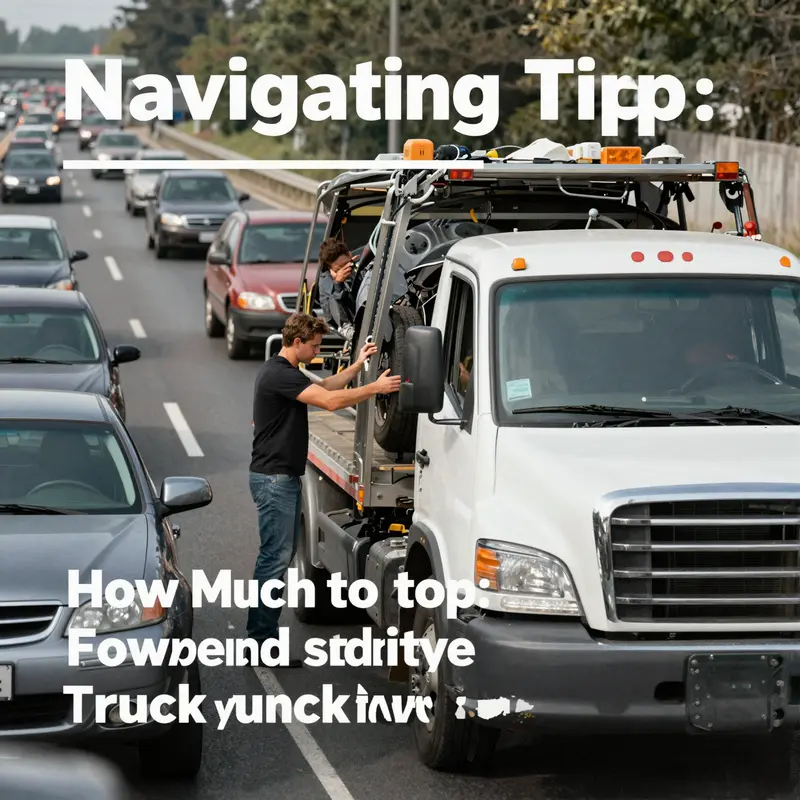
When your car breaks down or is pulled from a difficult spot, the tow truck driver arrives as a lifeline. The scene is urgent, the road noise humming in the background, and questions about what comes next begin to form. A tip is more than money; it is a small, practical way to show appreciation for service delivered under pressure. Tipping is not universally required, and many people experience no expectation at all. Yet most drivers welcome a gesture when the work is done with care, professionalism, and a steady hand through the chaos. The simplest starting point is a practical range: many guidelines suggest tipping between 10% and 20% of the total towing fee. For standard calls, a tip of roughly 10 to 20 dollars often feels reasonable, especially if the driver arrived promptly and handled the vehicle with care. If the service was priced low or if the job was straightforward, a smaller tip may be entirely appropriate. If the tow involved strenuous effort such as pulling a vehicle from a ditch, navigating difficult terrain, or performing a complex recovery in bad weather, consider tipping toward the higher end of the spectrum, or even beyond it if you can afford it and feel the driver deserves extra recognition. The point is not to fix a hard rule, but to reflect the value you received in a single act of gratitude. The decision can be influenced by several factors that often intertwine during a roadside ordeal. Service quality stands out first: a driver who arrives quickly, communicates clearly about what they will do, treats your vehicle with care, and offers helpful guidance about the next steps deserves acknowledgment. A respectful tone and transparent explanations can transform a tense moment into a smoother experience, and that can justify a larger tip. Distance and difficulty also matter. A heavy or large vehicle may require more effort, and if the tow covers a long distance or passes through challenging conditions—snow, rain, or steep grades—the extra effort can reasonably be reflected in the gratuity. Time is another critical factor. Late-night calls, weekend emergencies, or holiday incidents tend to incur higher stress and sometimes higher rates. In recognition of the driver’s availability and commitment to help when others might be less accessible, a larger tip can be appropriate. Location and local norms shape expectations as well. In bustling urban centers with higher living costs and a culture of tipping in service industries, drivers may anticipate a more frequent gratuity. Rural regions may follow different customs, where tipping remains appreciated but less formalized. Some towing companies include customer service fees or tips in their pricing, complicating the decision. If a company explicitly notes a tip or service charge, you can still tip extra for exceptional service, or choose not to if the experience fell short of standards. The guidance from established sources emphasizes recognizing professional service while acknowledging that tips are voluntary and situational. This perspective helps anchor decisions in fairness rather than obligation. In any case, the amount you tip should reflect what you felt the service deserved relative to the total cost and the level of effort involved. If the driver was courteous, efficient, and went above and beyond helping you understand repair options, pointing you toward reputable nearby shops, or facilitating a safer departure from the scene, your tip should mirror that extra mile. Conversely, if the service was marred by delays, unsafe handling, or poor communication, tipping is not mandatory, though a constructive dialogue with the company afterward can be more effective in addressing issues than a gratuity. When you settle on a tip, consider practicality. If you’re paying by card, ask whether you can add the tip to the transaction or whether cash is preferred. A quick up-front discussion can save awkward moments at the roadside. If you’re unsure of the norms in your area, you can observe how local drivers and dispatchers frame expectations or simply ask the driver what they consider fair given the situation. For regions facing a high concentration of towing services, you might even find a consistent approach is to round the total up to the nearest ten or twenty dollars if you’re unsure of the precise percentage. The goal is to acknowledge the effort fairly without creating a sense of pressure that you are unable to meet. For readers curious about how tipping cultures unfold in practice, consider examining regional examples in contexts such as Washington DC, where the service landscape often blends high demand with expectations for professional conduct. See Washington DC towing service for a practical reference to how operators frame service levels in a busy urban setting. In all cases, tipping remains a personal choice that signals appreciation without turning into a rulebook. It is a small bridge between service quality and personal gratitude that can meaningfully impact someone who has just saved you from a stressful roadside moment. For those seeking a formal benchmark beyond personal judgment, the guiding principles emphasize that tips are voluntary while underscoring the value of professional, safe, and courteous service.
Tow Truck Tipping: Reading the Moment, Respecting the Context
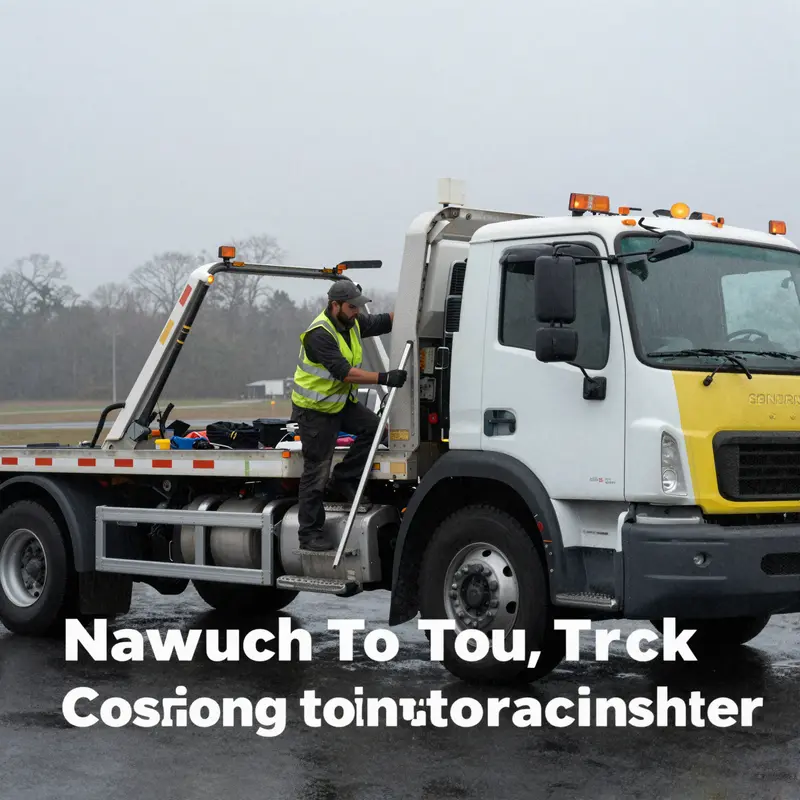
On a rain-slick highway, a breakdown arrives with a jolt that shakes plans and tempers. The tow truck pulls up, light bars flashing, and the driver steps out with a calm, professional welcome that steadies the moment. In such moments, tipping is not a rule, but a human gesture that acknowledges effort. The decision to tip, and how much, depends on more than the fee at the meter. It rests on the quality of service, the driver’s communication, and the conditions under which the work happens.
The driver may thin the distance between fear and relief: they assess the scene, explain options, and coordinate safety with traffic. They guide you through a recovery, secure the vehicle, and keep you informed as weather tightens and time stretches. In such moments, a tip becomes a way to recognize care that goes beyond the call of duty. It is not about ego or loyalty, but about rewarding clear communication, steady hands, and a job done well under pressure.
For standard tow jobs, where the task is straightforward and the ride to the shop is uneventful, tipping remains optional and often modest. A tip in the range of $5 to $10 can be a thoughtful token if the service was courteous and efficient. When the fee is larger, or when the driver’s professionalism makes a stressful moment easier to endure, the total can justify a higher gesture. A typical guideline suggests tipping between 15% and 20% of the tow fee, but that is a generalized rule for many services. It does not bind you; it simply offers a frame for those who want a reference point in a moment when every dollar matters.
The landscape changes in more demanding circumstances. If a recovery involves tricky terrain, a vehicle that is half in a ditch, or an accident scene with shifting priorities and hazards, the driver’s exertion grows. They may be required to wrestle with confined space, heavy equipment, or long hours in traffic. In such cases, tipping at the higher end of the spectrum—perhaps more than the standard $20, or a percentage well above the baseline—can signal appreciation for the additional effort and the risk the driver carries. Even then, the choice should reflect the actual service quality. If the driver remains courteous and professional, if they communicate clearly about what is happening, and if they take extra steps to protect your vehicle from further damage, a larger gratuity can be a fair reward.
There are also practical realities to weigh. Tipping is not mandatory in most towing settings because the drivers are often paid by the company, whether hourly or by job. In many cases, a tip would be accepted but not expected, and some companies even discourage tipping to avoid awkward situations. Before you reach for cash, a quick check with the company policy can spare embarrassment and ensure you align with local norms. If you’re in a dense urban center, or in a jurisdiction where tipping is more common for roadside assistance, the response might differ from rural areas. In places like Washington, DC, the environment and the frequency of towing services shape expectations in nuanced ways, making it reasonable to consider context as much as cash.
In thinking about locations and options, it helps to acknowledge how your broader community experiences service. If you want to learn about services in a specific city and see how a provider frames its work, you can explore local options such as towing service Washington DC. The driver’s conduct—polite, patient explanations; careful handling of the car; careful attention to safety amidst traffic—often matters more than the exact dollar amount. When the interaction ends, and you have a moment to reflect, you might also compare the overall experience to what reputable associations advise. The U.S. Bureau of Labor Statistics notes that tips are not mandatory, yet they remain a meaningful form of appreciation in transportation and roadside assistance. Meanwhile, professional organizations such as AAA offer general guidance on when tipping may be appropriate, depending on the situation and the quality of service.
If you find yourself unsure, you can opt for a small gesture that centers on respect rather than expectation. A polite thank-you, a quick note to the dispatcher about the driver’s competence, or a positive review can carry weight and encourage good service in the future. Money is only one way to acknowledge effort. Time and tone matter as well; a brief, sincere acknowledgment can relieve the tension of a stressful moment and reinforce a culture where thoughtful service is valued.
Ultimately, tipping a tow truck driver remains a personal choice shaped by context, quality, and fair assessment of effort. There is no universal rule that fits every scenario, and that is precisely why a mindful approach works best. If service was outstanding, consider a generous gesture within the boundaries of the situation. If it was routine, a modest tip or none at all is acceptable. This mindful approach helps sustain fair compensation across the industry and supports workers who routinely face long shifts and unsettled conditions. The key is to act with discretion, courtesy, and an honest read of the moment.
Beyond the numbers, the form of gratitude matters. Some drivers prefer cash; others may accept cards or digital tips, and you should follow any company policy if provided. In late-night calls or during severe storms, the effort compounds, and a tip can feel like a practical form of recognition.
If tipping isn’t possible, a sincere thanks, a brief note to the dispatcher, or a positive online review can still support a driver who delivered careful, professional service when it mattered most.
External reference: https://www.aaa.com/
Tow Truck Tipping: A Practical Guide to Local Norms and Fair Gratitude
Guidance on tipping tow truck drivers varies by region, context, and the driver’s conduct. Tipping is generally optional and should reward exceptional effort rather than serve as a mandatory fee. A common range is five to ten dollars for a quick emergency response, up to a small percentage of the tow fee if the service is complex or performed under hazardous conditions. In metropolitan areas, tipping may be less predictable, while in rural areas a larger gesture may reflect the extra labor involved. The most important factor is the service experience: clarity, safety guidance, professionalism, and timely completion. If unsure about local norms, observe what nearby drivers and providers do, or ask a trusted local company. If paying by card, ensure the gratuity is clearly separated from the payment to avoid confusion. In the end, tipping is a personal choice aligned with respect for the driver’s effort and the context of the service.
Final thoughts
In summary, tipping a tow truck driver is more than just a courteous gesture; it’s an acknowledgment of their hard work and dedication, especially during difficult times. By considering the guidelines outlined in this article, business owners can tailor their tipping habits to reflect the service provided, the conditions faced, and the local norms expected. This thoughtful approach not only fosters goodwill but also strengthens relationships with roadside service providers, ensuring support continues when needed most.