
The costs associated with tow truck services can significantly affect your business operations, especially if your company relies on transportation or logistics. Knowing the breakdown of tow truck pricing is crucial for making informed decisions. In this guide, we’ll delve into the two main elements of tow truck charges: the base service fee and per-mile charges, along with regional pricing variations. By dissecting these components, business owners can better prepare for potential towing needs and budget more effectively for such services.
Tow Costs Unraveled: How the Base Service Fee Sets the Stage for Every Tow
At the core of tow pricing sits the base service fee, a flat dispatch charge that greets you when the tow company confirms help is on the way. This fee is the starting point of the bill and it varies because the job changes with the vehicle and the scene. A compact sedan often carries a base of about $50 to $70, while a full-size pickup typically runs $80 to $120. Larger, more complex vehicles—motorhomes or work vans—can push the base well above $150. Those initial figures matter because they set the baseline from which distance and time are added, shaping the final outcome before other charges appear.
After the base, most providers apply a per-mile charge. The usual range is roughly $1.75 to $3.00 per mile, but the exact price can shift with region and truck type. A short tow can feel costly if the base is high, while a longer haul at a lower mile rate adds up quickly. For example, a $50 base plus $1.75 per mile for a 10-mile tow totals about $67.50; 25 miles would be roughly $112.50, not including extras.
Beyond distance, surcharges vary. Some companies include a small portion of mileage for free, but many charge every mile from the yard. Time of day matters, too. Late-night calls, weekends, and holidays often carry surge pricing or after-hours fees because crews must be available when demand spikes. Weather, traffic, and difficult terrain can also push labor times upward, and those extra minutes appear as line items on the bill.
Vehicle condition and the transport method further shape the final figure. A damaged or awkwardly located car may require more time, specialized equipment, or careful rigging, which raises the cost. The choice of tow truck matters as well. Flatbeds, valued for reducing further damage and for certain moves, generally cost more to operate than traditional setups. Boom-equipped or integrated chassis configurations may offer efficiency gains, but price changes are not always mirrored for customers. The result is a pricing mosaic rather than a single number, with each job weighing different factors.
For consumers, the practical takeaway is simple: demand transparency and compare like with like. Start with a written estimate that itemizes the base fee, the per-mile rate, any minimum charges, and all potential surcharges. Ask about after-hours fees, winching or recovery charges, fuel surcharges, and any fees for extra equipment. If you can, request a range or not-to-exceed figure so you know the ceiling before the driver arrives. Compare quotes carefully, making sure you’re evaluating the same vehicle type, distance, and service scope.
Context matters in this field, and regional nuances can tilt prices. Pricing can swing with city density, the supply of tow trucks, and local licensing rules. To see how pricing can play out in a region and understand local factors, look at regional service pages that explain the scope of work, such as a nearby provider’s guidance on towing service in Washington, DC. This context helps you interpret numbers on a quote and prepares you to ask informed questions before a call.
For a broader baseline of industry costs and market trends, Roadside Towing Costs offers a wide lens on the factors behind the numbers you encounter whenever you need roadside help: https://www.roadside.com/towing-costs/
Distance, Digits, and Delays: Why Per-Mile Pricing Determines Tow Truck Bills
When a vehicle breaks down or is stranded, the cost of roadside assistance tends to feel like a moving target. The pricing architecture most tow-ops use blends a base charge with a per-mile fee, and those two pieces together become the bottom line you end up paying. The base fee, often called the hook-up charge, is the door to service. It compensates the crew for the time and resources needed to reach your location, assess the situation, and get the vehicle safely attached. In many markets that fee sits in a wide range—roughly $50 on the low end to about $150 or more in high-cost areas or during busy times. The hook-up fee is not optional; it is the fixed starting point of your bill, and it usually covers that initial travel to your car and the basic work of securing the tow.
The real driver of total cost is the per-mile rate, the variable portion that charges for every mile the vehicle is transported. The typical per-mile rate tends to fall between $1.75 and $3.00, but outliers exist. In large metropolitan zones with dense traffic, specialized equipment, or longer average distances, the rate can tilt toward the higher end. Conversely, some suburbs or regions with more competition may push the rate toward the lower end. The exact amount for any given tow will depend on the company’s pricing structure, the vehicle type, and the circumstances of the tow.
Different vehicle types matter not just for size but for the complexity of the job. A light sedan is cheaper per mile than a heavy SUV, pickup, or commercial vehicle that requires more labor, longer straps, or more robust equipment. Even within the same city, two reputable shops may quote noticeably different totals for the same mileage because of how they structure the base plus miles, or because of additional surcharges that apply only in particular situations. Some operators blend a flat rate for the first few miles and then apply a separate per-mile rate for the remainder. Others use a tiered approach, where the per-mile price escalates after certain distance blocks. These variations are why a simple $50 base fee and a single $2 per mile quote can feel misleading when you don’t see the full breakdown.
Timing also leaves a mark on the total. Emergency or off-peak service—late at night, on weekends, or during holidays—sometimes carries a higher rate either as part of the hook or as a per-mile premium. If your tow involves urban corridors with heavy congestion or a longer trip to a distant lot, those extra charges accumulate quickly. It is not unusual for a 10-mile tow to end up costing more than a car going the same distance in a different market, simply because the base fee, per-mile rate, or surcharge differ.
To keep the process transparent and to avoid sticker shock, always ask for a written estimate that itemizes the base fee, the per-mile rate, and any extra charges such as storage or long-distance surcharges. If you’re in a dense city, a quick look at a nearby provider’s page can give you a sense of typical numbers in that market; for example, you can explore a local option here: towing service in Washington DC. This isn’t a binding quote, but it helps you compare apples to apples across providers and prepare for the discussion with your chosen company.
In the end, the price of getting your vehicle towed is a layered calculation, not a single figure. Base fees crowned by a mile-by-mile charge, plus any timing-based premiums or extra fees, determine the final amount. Understanding the structure makes it easier to estimate costs before you call, and it gives you a sharper eye when you review the bill after service. For a broader overview of how these charges are typically explained in the industry, see this external resource: https://www.aaa.com/automotive/towing-fees-explained.
Pricing by Place: How Local Rules and Markets Shape Tow Truck Costs
Tow fees don’t arrive as a single number; they come as a small ecosystem of charges that shift with geography. In practice, most customers encounter two core components: a base service fee and a per-mile tow rate. The base fee covers the technician’s arrival and readiness, while the per-mile rate pays for the distance the vehicle is hauled. Together, these two elements set the final bill, and the balance between them shifts with where you are and what kind of tow you need. Even a simple tow can feel different from one city block to the next when local rules and market realities push on those two levers.
Across the country, base fees commonly range from about $50 to $150 or more. Per-mile rates typically fall between roughly $1.75 and $3.00, though urban markets and longer hauls can push those numbers higher. A straightforward example helps: a base fee of $50 plus $1.75 per mile means towing a car 10 miles would total $50 + (1.75 × 10) = $67.50. This kind of calculation is a useful starting point for budgeting, but it rarely captures the whole picture. In real life, the exact total can expand quickly when you add location-specific charges, after-hours work, or longer travel distances.
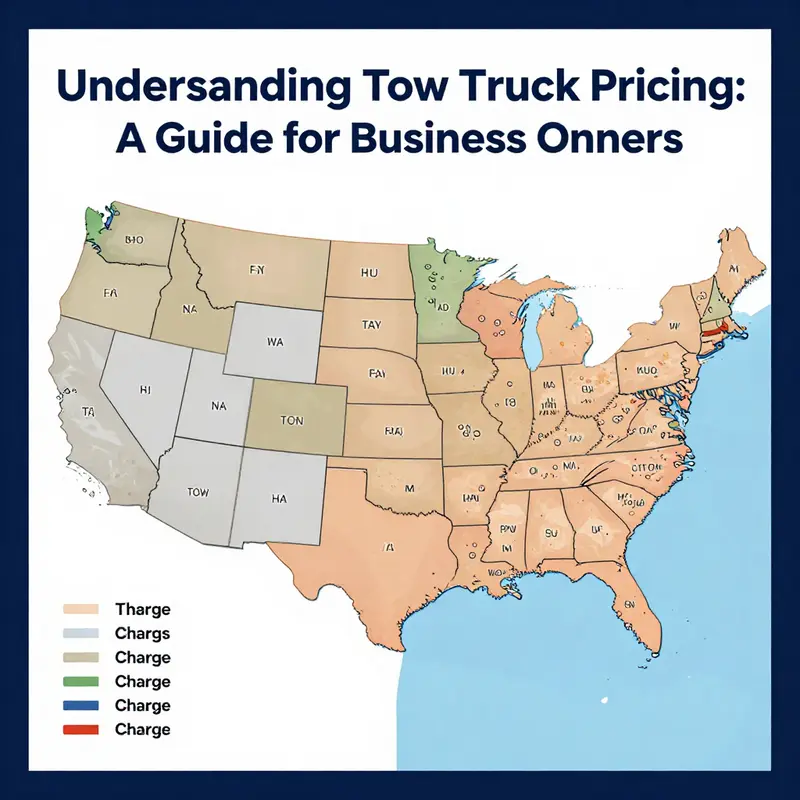
One of the most influential factors shaping towing prices is local regulation. Some jurisdictions have moved toward standardized structures to stabilize pricing, but those standards can differ dramatically from one area to another. For instance, in certain regions a base fee for light vehicle towing has been set at a steep $485. After this base, additional costs can apply, such as a distance fee of $4.40 per kilometer beyond the first 50 kilometers, and a one-time after-hours surcharge of $138. Such rules are designed to ensure predictable pricing in that region while allowing for costs tied to time of day or distance. The result is that a tow in a busy metro area can cost substantially more than a rural one, even if the miles traveled are similar.
Operating costs also help explain regional variation. Owning and maintaining towing equipment—winches, straps, wheel lifts, dollies, and axle pads—represents a sizable investment. Fuel and insurance are priced differently by region, reflecting local risks and regulations. Areas with higher operational costs frequently see higher base fees or per-mile rates as operators seek to cover their fixed expenses. Market demand plays its part too: urban centers with dense traffic and more incidents naturally generate more calls, which can push prices upward through competition for service and capacity constraints. Rural regions may experience less demand, encouraging more competitive pricing but sometimes offering longer wait times due to fewer available trucks.
For consumers, these regional dynamics underscore the importance of context when estimating towing costs. If you’re planning ahead or if you’re in a high-cost urban zone, you’ll want to ask precise questions before service arrives: what is the base fee, what is the distance rate, how many kilometers or miles are included in the base, are there minimums, and is there an after-hours surcharge? It helps to request a written quote that itemizes each component and to confirm whether any tolls, winching, or after-hours labor could add to the total. When possible, compare quotes from nearby providers and consider how far they are willing to tow, since longer distances can multiply the impact of the per-mile rate. For those seeking a local frame of reference, a nearby towing service in Washington, DC can offer a practical snapshot of the regional pricing pattern in one dense market.
Ultimately, the conversation about what tow trucks charge is a conversation about place. Local rules, operating costs, and the balance of supply and demand create a pricing fabric that can look very different depending on where you are. The more you understand the regional factors at play, the better you can anticipate the bottom line, request clear quotes, and avoid sticker shock when a tow is needed in earnest. For deeper context on how policy and regulation intersect with these pricing dynamics, you may find useful insights in broader industry coverage that discusses new regulations for the tow truck industry. External resource: https://www.sbdcblog.com/new-regulations-for-the-tow-truck-industry/.
Final thoughts
Understanding how much tow trucks charge is essential for business owners who may encounter vehicle breakdowns or emergencies. The interplay between the base service fee and per-mile rates significantly affects the total cost. Moreover, recognizing regional variations can help businesses plan financially for potential towing needs. Being informed allows for better budgeting and decision-making, ultimately contributing to smoother operations within any transport-related business strategy.