
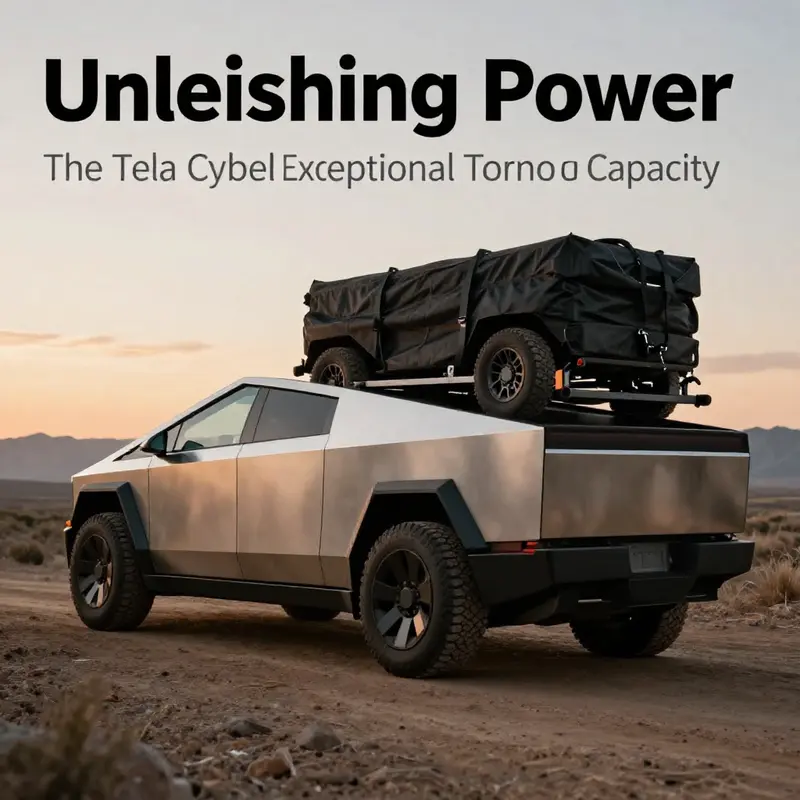
The Tesla Cybertruck is making waves for its groundbreaking capabilities, particularly in towing. As a business owner, understanding the towing capacity of the Cybertruck is crucial, especially if your operations involve hauling heavy equipment, trailers, or materials. In this article, we delve into the Cybertruck’s robust towing metrics across its different variants and how its capabilities stack up against traditional gasoline-powered trucks. Each chapter serves to highlight the unique values the Cybertruck brings to industry demands.
Tow Power Across the Line: Unpacking the Cybertruck’s 11,000-Pound Tow Across Trims
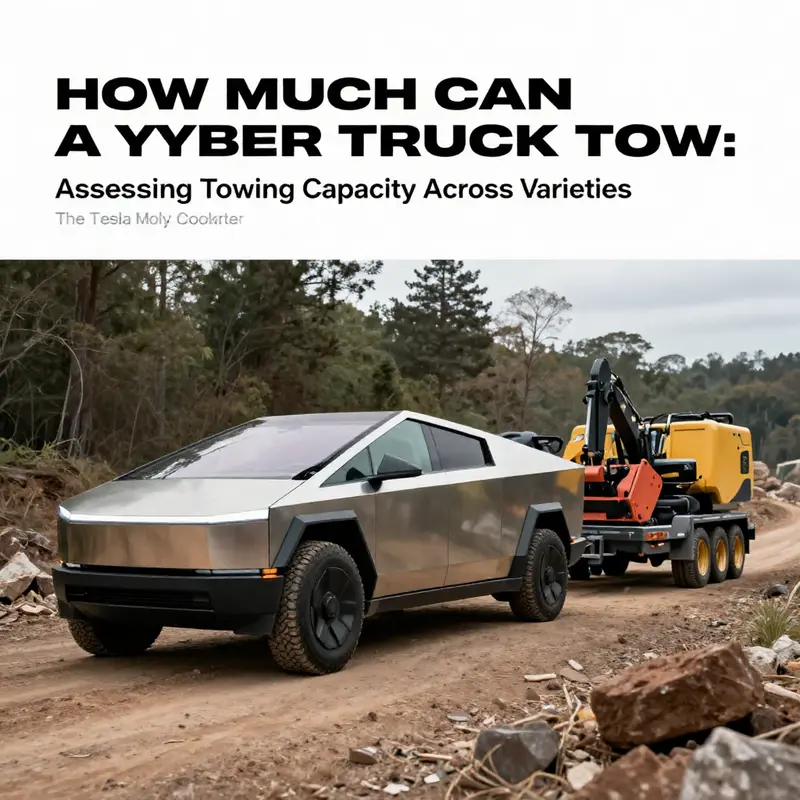
Tow capability has long been a defining measure of what a pickup can actually move from point A to point B, especially when that move involves a heavy trailer, a boat, or a sizeable piece of equipment. The figure at the center of the discussion around the Cybertruck—an impressive 11,000 pounds (about 4,990 kilograms)—is not a mere number. It signals a design philosophy: electric drivetrains paired with a robust chassis can deliver substantial, controlled pulling performance without the emissions and typical drivetrain fatigue of a traditional gasoline-powered truck. The official data shows this maximum tow rating is consistent across the Cybertruck’s introduced trims, from the Dual Motor All-Wheel Drive to the Premium All-Wheel Drive, and even the top-tier Cyberbeast model. In practical terms, this means the truck arrives with the same heavy-haul capability, whether you’re prioritizing price, luxury, or outright performance in off-road conditions. It is a claim that places the Cybertruck in a competitive light within the electric pickup segment and in the broader field of full-size pickups, where some rivals offer higher or similar ratings on certain configurations but not with the same combination of thrust, control, and zero-emission operation.
To understand what 11,000 pounds means in real-world terms, it helps to look at how the rating is distributed across the model lineup. The Dual Motor All-Wheel Drive version holds the same tow ceiling as its more premium siblings, at 11,000 pounds. The Premium All-Wheel Drive—often distinguished by a refined suspension setup and additional comfort-oriented upgrades—also caps at 11,000 pounds. The Cyberbeast, the flagship variant celebrated for its blend of speed, power, and off-road capability, shares the same towing limit. This convergence is telling: the differentiators among trims come not in the maximum trailer weight they can pull, but in how they handle that weight, how the suspension responds on uneven surfaces, and how driver-assist technologies support steady throttle and braking under load. In other words, while the towing limit remains fixed, the on-road and off-road experiences under that limit can feel markedly different depending on the chosen trim.
The site-wide emphasis on a constant tow rating across trims sits alongside a broader truth about towing with any heavy electric vehicle. The electrified drivetrain delivers robust torque from a standstill, which translates into strong initial pull and predictable acceleration when moving a loaded trailer. Yet sustained towing introduces demands on range, cooling, and tire load. The 11,000-pound rating assumes optimal conditions: a properly sized trailer, correct hitch hardware, well-maintained trailer brakes, and balanced weight distribution. When any of these elements is off, the practical towing ceiling can feel closer to a lower figure. This is a common theme across full-size pickups, but the Cybertruck’s architecture—sturdy steel body panels, a high-strength frame, and a drivetrain designed for high thermal efficiency—helps preserve stability and control as you approach the edge of the rated limit.
Comparatively, the Cybertruck’s 11,000-pound maximum stands up well against many traditional pickups. In some cases, rival gasoline-powered trucks have higher published tow ratings; for example, certain configurations of conventional pickups have listed tow figures in the mid to high teens of thousands of pounds. Still, it’s important to weigh the full package: towing power is just one aspect. Real-world efficiency, maintenance costs, and the environmental footprint during long hauls matter, too. The Cybertruck’s all-electric propulsion reduces tailpipe emissions and can offer lower energy costs per mile for many towing scenarios, especially when paired with efficient trailers and braking strategies. For many buyers, the decision isn’t solely about the highest number; it’s about delivering reliable pulling power with better efficiency and a more predictable operating envelope over the life of the vehicle.
Another facet of the towing conversation is how the weight of a trailer interacts with braking, steering, and overall handling. When you tow a heavy load, the tongue weight, trailer braking, and the rolling resistance of the trailer wheels all combine to alter braking distance and steering input. With the Cybertruck, the electric powertrain provides instantaneous torque and a controlled feel through its stability and traction systems, which can help maintain a sense of confidence when negotiating hills or curves with a heavy load. The benefit is not just raw pulling capacity; it is a sense of management and predictability at the limits, aided by modern driver-assist features and the vehicle’s chassis tuning. Still, as with any large trailer, planning remains essential. It’s prudent to monitor heat buildup during extended climbs, keep an eye on battery temperature, and factor in reduced efficiency as the load increases.
For professionals who routinely haul heavy gear, the tow rating speaks to capability, but the practical workflow is where critical decisions are made. Consider how the trailer is loaded: even a perfectly balanced load will require careful attention to hitch height and tongue weight. A properly configured weight distribution hitch can help maintain stability, reduce sway, and improve steering response at highway speeds. Tire condition and inflation are equally important, as underinflated tires add rolling resistance and heat. When you push toward the upper end of the limit, expect some impact on range and consider route planning that minimizes long climbs or high-speed driving with a heavy trailer in tow. In regions with demanding towing conditions—where grades are frequent or weather introduces additional drag—the real-world performance might be more nuanced than the raw numbers indicate.
The research backing these conclusions emphasizes consistency across models and corroborates the official specifications from the manufacturer. Independent automotive analysts have reviewed the data, noting that the weights cited are reliable and that the Cybertruck’s overall package is competitive within the electric truck market. While the raw towing figure is a standout feature, buyers should also examine the total cost of ownership, charging infrastructure, and the potential need for specialized trailer equipment. The combination of high torque at low RPM, sophisticated stability controls, and a modern suspension design creates a towing experience that is robust yet refined. In practice, this makes the Cybertruck a compelling option for builders, contractors, and outdoor enthusiasts who need to move heavy loads without sacrificing the advantages of electric propulsion.
For readers seeking local practical guidance on towing operations, one regional resource offers a ready reference on how towing services manage heavy loads in real-world settings. You can explore a local provider’s service page to learn how professionals approach weight distribution, safety checks, and logistical planning in urban environments like Washington DC. See the following link for further context: towing service Washington DC. This type of resource underscores the idea that towing is as much about preparation and process as it is about raw power.
Finally, reflecting on official specifications and how they translate to day-to-day use, it’s worth keeping an eye on the broader market context. The Cybertruck’s 11,000-pound ceiling aligns with a growing segment of electric trucks that aim to combine high-capacity towing with zero-emission operation. The balance between payload, range, and performance remains the critical equation for buyers who want to move sizable trailers efficiently and safely. The takeaway is clear: across its trims, the Cybertruck offers a fixed towing limit of 11,000 pounds, but the experience of towing with each variant—whether Dual Motor, Premium, or Cyberbeast—will feel different in practice as you optimize suspension, braking, and load management for your specific use case.
For those who want to dive deeper into the official specifications and the exact figures, the manufacturer’s published data provides the authoritative reference. External resources summarize these details, and they remain a useful companion as you compare the Cybertruck’s towing capability to other options in the market. Official specifications can be found here: https://www.tesla.com/cybertruck/specs
Tow Power in the Electric Frontier: How the Cybertruck Stacks Up Against Traditional Pickups
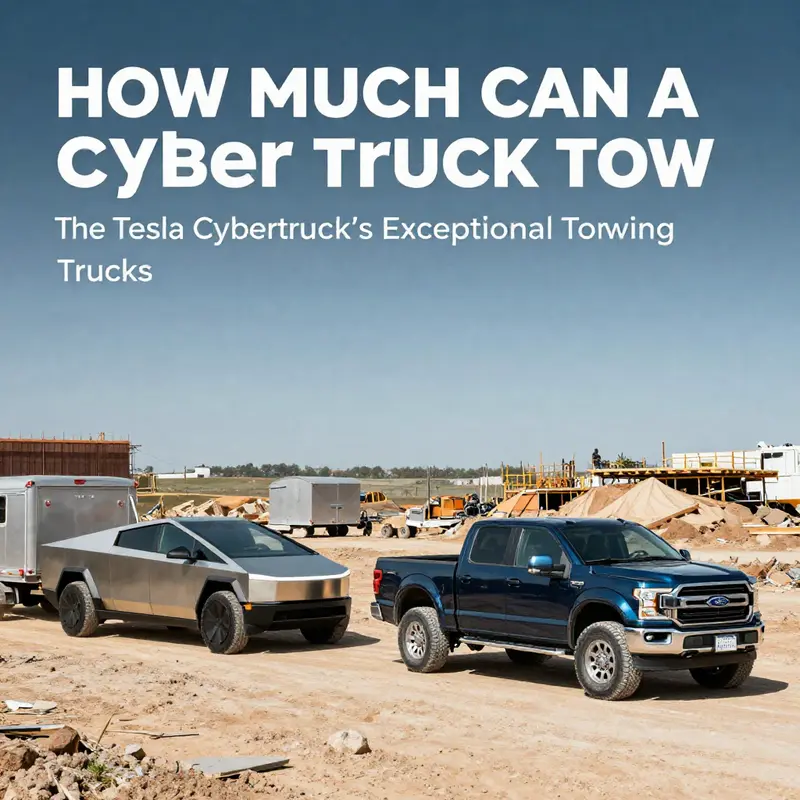
To answer how much a Cybertruck can tow is to unpack a number that sits at the high end of electric pickup capability: 11,000 pounds. That is not a rumor or a marketing boast; it is the official maximum towing rating, reliable across the three drivetrain configurations in the lineup. That uniformity matters because it signals a designed consistency: the drivetrain and chassis were tuned to deliver substantial pulling power without requiring a different configuration to handle the heavy load. The electricity behind that figure translates into instant torque, a broad torque band, and the ability to maintain steady pulling force while the momentum of a trailer changes with road grade and wind. It is a combination of high-strength material, refined engineering, and smart thermal management that allows the vehicle to chase heavy tasks with a reserve that feels closer to a conventional powertrain than to a light-duty electric setup.
Placed alongside the best gasoline-powered full-size pickups, the Cybertruck still sits in a competitive lane, though not at the outright top. The top gasoline model can tow around 14,000 pounds, a figure that is hard to match when the same class is considered. Another heavy-hitting gasoline rival targets about 13,300 pounds, while a third option tops out roughly at 11,600. In the electric space, some rivals come close to the Cybertruck’s rating, with a variant that can pull around 12,200 pounds using the standard battery, and around 11,700 pounds with a longer-range pack. Others lag behind, offering about 8,500 pounds, and yet another direct competitor sits at 11,000 pounds, equal to the Cybertruck. These numbers matter not just as a headline, but as practical guidelines for the kind of trailers that can be handled, the size of the breakaway forces, and the pace at which a load can be moved up grades while staying within safe margins.
Behind the 11,000-pound ceiling lies a deliberate balance. The Cybertruck’s electric powertrain can deliver full torque from a standstill, which helps begin moving a heavy trailer smoothly rather than waiting for engine RPM to climb. The same torque supports downhill control and uphill acceleration, reducing the need to overspin the wheels or hunt for the right gear. The vehicle’s chassis and suspension are tuned to keep the hitch stable when crosswinds pick up or if a curve steepens. The stainless-steel body and a robust frame contribute to the structural stiffness that helps resist hitch-induced sway. Yet towing at this scale demands careful management of energy. The heavier the trailer, the more the energy is consumed to keep the momentum, to brake, and to cool the motor and the battery pack. The result is a practical limit that blends performance with efficiency, rather than a raw, unchecked horsepower figure.
Payload capacity remains a critical piece of the overall utility puzzle. While the Cybertruck tows 11,000 pounds, it can also carry about 2,500 pounds in the bed. That payload figure compares favorably with several traditional pickups, many of which top out in the mid-2,400s. The balance between payload and towing capacity matters because it shapes how you distribute weight for road handling, brake performance, and tire wear. A truck that tows a heavy trailer yet has a generous payload can handle a more varied set of duties—perhaps a long weekend of gear along with a heavy generator, tools, or camping equipment placed in the bed. This dual capability is a distinguishing feature when the utility mix is weighed against a purely payload-focused or a purely towing-focused truck.
The landscape among electric rivals is nuanced. Some competitors approach the Cybertruck’s 11,000-pound mark, while others trail noticeably behind. With a lower-capacity electric option, the towing rating descends into the mid-range, yet a few versions still stay competitive for moderate trailers. The real-world experience often hinges on more than the label. The rated number assumes certain conditions: a level road, a specific trailer weight distribution, proper hitching, and the use of trailer brakes where required. How a vehicle behaves when the trailer pushes against wind, or when the road tilts, can be as important as the top number. For those who plan regular long-haul pulls, the overall package—range, charging infrastructure, and payload—can weigh more than a single towing figure.
In practical terms, towing power matters most when it aligns with road habits. A driver who wants quick, stable starts with a loaded trailer will appreciate the torque delivery and the confidence of all-wheel engagement. A mile over a mountain pass will reveal how cooling strategies perform as the power demand persists; the best designs continue to operate without throttling or overheating. The tow setup benefits from using a compatible hitch system and ensuring the trailer’s brakes and electrical circuits are integrated. The correct proportion of vehicle weight on the hitch plus the trailer’s weight distribution reduces sway and improves steering feel, especially at highway speeds. And because the maximum rating represents a limit under ideal conditions, many users will opt for lighter loads most of the time and reserve the near-limit for the rare job that truly calls for it.
When you consider local towing needs—hauling a heavy load across town, an off-grid camping setup, or mid-sized equipment across a yard—the practical question becomes how accessible support is. If you need a service that can assist with towing, recovery, or roadside assistance in an urban corridor or suburban ring, a local provider specializing in towing services can be a valuable ally. For a nearby option, you can check a DC-area towing service page for services that meet those needs. towing-service-dc. This kind of resource is useful for planning trips, arranging ballast-free starts, or securing a backup plan should the trailer’s weight prove more than anticipated. The real value is not just power in the wheels but a trusted support network when the road grows uncertain.
Ultimately, the Cybertruck’s towing profile sits at a compelling intersection of capability, efficiency, and engineering philosophy. It does not claim the very highest tow rating in its class, but it offers a credible, practical upper bound paired with compelling zero-emission operation, fast torque delivery, and a rugged, purpose-built aesthetic. The result is a workhorse that can tug heavy everyday loads while preserving the flexibility and environmental appeal that electric powertrains promise. For many buyers, it translates into a do-all vehicle that can handle boating trips, RV stops, and worksite logistics without compromising the drive experience or the energy budget. In the end, the story of how much a Cybertruck can tow is less about chasing the absolute peak and more about understanding how that peak fits within a broader, balanced approach to practical hauling.
External resource: Tesla Cybertruck design page
Final thoughts
In conclusion, the Tesla Cybertruck’s maximum towing capacity of 11,000 pounds places it at the forefront of electric pickup trucks. While traditional pickups may still lead in certain metrics, the Cybertruck stands out for its combination of eco-friendliness, cutting-edge technology, and strong performance. As a business owner looking for efficient solutions, investing in a Cybertruck can offer immense value, minimizing operational costs while maximizing capability. The future of towing is electric, presenting new opportunities for businesses ready to adapt.