
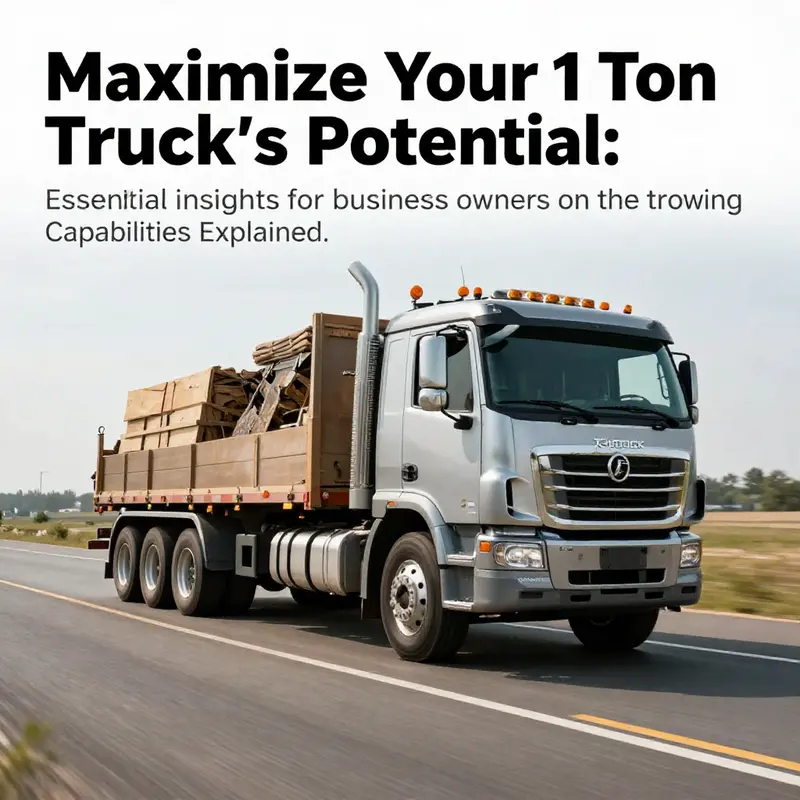
Understanding the towing capacity of a 1 ton truck is crucial for business owners who rely on these vehicles for transporting goods and equipment. The capabilities vary widely, influenced by factors such as make, model, and configuration. In the following chapters, we will delve into key specifications and industry standards for towing capacities, followed by practical considerations for safe towing operations that comply with regulations. Armed with this knowledge, business owners can make informed decisions to enhance operational efficiency and ensure safety on the road.
Power, Precision, and Performance: Navigating the Towing Capacity of a 1-Ton Truck
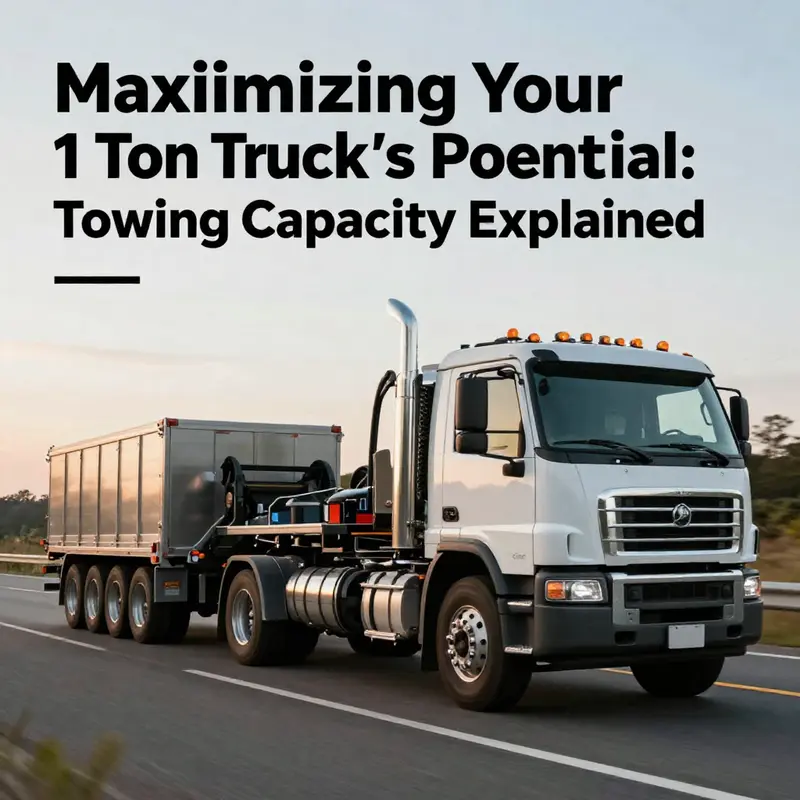
A 1-ton truck is far more than just a means of transportation; it is a finely tuned performance machine engineered to handle demanding tasks. When it comes to towing capacity, there is an intricate balance between raw power, advanced engineering, and careful attention to safety standards. Understanding how much weight a 1-ton truck can tow is not simply about knowing a single number—it involves comprehending the interplay of factors such as engine performance, drivetrain configuration, cab design, payload distribution, and the type of towing equipment used. In this discussion, we will delve into these dimensions, offering a thorough exploration of how configuration options, manufacturer standards, and proper maintenance collectively control a truck’s towing potential.
The foundation of every towing calculation begins with the understanding that a truck’s payload capacity and towing capacity are distinct concepts. Payload capacity refers to the maximum load a truck can safely carry within its structure—passengers, cargo, and accessories—while towing capacity addresses the ability to pull a trailer or additional equipment behind the vehicle. Manufacturers design a 1-ton truck with a payload capacity that usually hovers around 2,000 pounds in the cargo bed and cab. However, towing capacity goes beyond this figure as it must account for dynamic forces when a trailer is in motion. The stress on the engine, transmission, suspension, and brakes during towing means that even if the truck can support a high payload, the weight it can pull without compromising safety and performance may be lower. Paying attention to these differences is the first step toward safely harnessing a truck’s potential.
One of the key elements that determine towing capacity is the truck’s drivetrain configuration. A 1-ton truck configured in a 4×4 layout is structurally different from a 4×2 variant. Four-wheel drive systems generally offer better traction and are engineered to manage heavier loads over challenging terrain, meaning that these models tend to have a higher towing capacity when properly outfitted. In contrast, 4×2 trucks may be slightly limited in towing potential, not only because of weight distribution challenges but also because of the reduced complexity of their power delivery. A heavy-duty 4×4 model with an advanced diesel engine and superior cooling systems can often be rated at the upper end of towing capacities, reaching figures around 10,000 to 12,000 pounds, particularly when double-cab configurations and reinforced suspensions are part of the design. The meticulous engineering behind these trucks demonstrates the manufacturer’s commitment to balancing power with durability.
Engine type and ancillary components play equally vital roles in influencing towing performance. Modern 1-ton trucks typically offer powerful diesel engines, which are renowned for their high torque output—a critical factor when hauling trailers, especially on inclines or in stop-and-go conditions. However, this added power means that other systems in the truck, such as the transmission and braking system, must also be robust enough to handle the extra load. Heavy-duty transmissions and advanced braking systems are designed not only to efficiently transfer engine power to the wheels but also to respond appropriately when the vehicle is burdened with additional weight. The interplay of these systems ensures that the truck can maintain stability, preventing excessive strain on any one component. This comprehensive approach to truck design is fundamental in achieving safe and optimal towing performance.
Another essential aspect to consider is the role of the axle ratio and suspension setup, as these areas have a direct influence on the truck’s weight-carrying ability and overall towing dynamics. The axle ratio, which is closely tied to the engine’s performance characteristics, affects how effectively power can be delivered to the wheels. A favorable axle ratio can enhance the towing capability by maximizing the engine’s available torque. Meanwhile, a heavy-duty suspension is paramount to managing the additional forces that a loaded trailer exerts on the truck’s chassis. Without a robust suspension system, the vehicle may experience higher stress levels, leading to undue wear or even mechanical failure when the towing limits are pushed. These configurations are established by manufacturers with rigorous testing and are detailed in official guidelines, ensuring that each truck meets the necessary performance and safety benchmarks.
Vehicle configuration such as the cab type also influences towing performance, though it might not be as immediately apparent as engine or drivetrain factors. Double-cab versions of a 1-ton truck provide additional interior space and comfort, which can be important for work crews or families; however, the extra weight and structural modifications in these models can have subtle impacts on towing capacity. While a double-cab design may slightly lower the maximum towing capability in comparison to a single-cab model, advancements in vehicle design have significantly minimized these differences, allowing both configurations to perform admirably in heavy towing situations. This balancing act is a testament to the automotive industry’s commitment to versatility—meeting diverse consumer needs while maintaining strict adherence to safety and performance standards.
When it comes to towing heavy loads, one must consider more than just the mechanical capabilities of the truck. The equipment used to attach the trailer, particularly the trailer hitch and braking systems, plays a pivotal role in overall safety and operational efficiency. The trailer hitch, for instance, must be appropriately rated for the load. An under-rated hitch can become the weakest link in the towing process, risking disconnection or failure under stress. Equally important is the trailer brake controller, especially when dealing with trailers that include their own braking systems. Ensuring that all attached components are matched to the truck’s maximum towing capacity is essential to avoid mechanical overload and potential accidents. Beyond the mechanical aspects, proper installation and regular maintenance of these components are crucial to sustaining safe operation over prolonged use.
A factor that professionals and serious truck owners sometimes overlook is the significance of environmental and operational conditions on towing performance. Weather conditions, terrain, and the distribution of weight within the trailer can all severely impact towing dynamics. For example, towing on steep inclines or over rough terrain requires the truck to exert significantly more effort than when traveling on a flat, even surface. In these scenarios, it is advisable to operate below the truck’s maximum rated capacity to account for the unpredictable nature of external factors. The importance of load distribution cannot be overstated—unevenly distributed weight not only reduces stability but can also lead to uneven tire wear, compromised handling, and an increased risk of rollover or brake failure. All these variables must be thoroughly evaluated before embarking on long and challenging journeys with a heavy load in tow.
Safety regulations and federal standards further refine the guidelines on towing capacities. National regulatory bodies such as the National Highway Traffic Safety Administration (NHTSA) set rigorous standards to ensure that all vehicles, including heavy-duty trucks, are engineered to meet exacting safety requirements. These standards cover multiple aspects of vehicle performance, from braking efficiency to structural integrity, and even the proper integration of towing equipment. Compliance with these regulations is not just a matter of legal necessity; it is also a core component of responsible vehicle management. For many truck owners, the peace of mind that comes with knowing every component of their vehicle meets stringent federal standards is invaluable. It allows them to focus on executing tasks with the confidence that their truck will reliably support their towing needs.
In practical terms, the mathematics behind towing is equally fascinating and complex. The truck and trailer combined must never exceed the Gross Combined Weight Rating (GCWR), a calculated figure that incorporates the vehicle’s curb weight, payload, and the trailer’s weight. Exceeding this limit can result in dangerous conditions, where the braking system might not perform as needed, or the engine could be unduly stressed. For example, a truck rated to tow 14,000 to 16,000 pounds when properly equipped must constantly be evaluated to ensure that the GCWR is not surpassed. It becomes essential for truck owners to frequently consult their owner’s manual and the placard located on the driver’s side door jamb, where these critical ratings are specified in detail. Such precautions ensure that the vehicle is not only operating within optimal parameters but also safeguarding the lives of everyone on board.
Further considerations extend to the maintenance and upgrading of a truck’s components. Regular inspections and servicing can extend the life and reliability of the vehicle’s engine, transmission, brakes, and suspension. When planning to tow near the capacity limits of a 1-ton truck, even minor imperfections or worn components can become significantly magnified. Proactive maintenance routines, including checking tire pressure, replacing worn brake pads, and ensuring that all mechanical systems are in peak condition, can make the difference between a smooth journey and a dangerous situation on the road. Investing in quality maintenance is as crucial as selecting the right truck configuration when it comes to long-term towing performance.
The relationship between theory and practice is evident when one examines the real-world applications of these technical specifications. Many drivers who rely on their trucks for both personal and commercial use often include further enhancements to improve towing performance. For instance, those in professions that require the frequent transport of heavy equipment might opt to invest in additional towing packages that include fortified hitches, reinforced suspension components, and advanced braking systems. These packages are designed to push the safety and performance limits set by manufacturers, enabling the truck to operate closer to its maximum towing capacity without compromising structural integrity. The integrated nature of these modifications speaks to the broader philosophy that towing is not a static specification, but rather a dynamic interaction between multiple carefully engineered systems.
Moreover, the operational nuances of towing are as critical as the mechanical details. During long hauls, drivers must remain acutely aware of the signs of strain and fatigue that may indicate that the truck is operating near its peak limits. Routine checks during stops are essential—observing how the vehicle and trailer respond to changes in speed, monitoring the temperature of the engine and brakes, and ensuring that the hitch remains secure can all prevent minor issues from evolving into major failures. With proactive measures and keen attention to detail, drivers can safely explore the towing capabilities of their 1-ton trucks even under challenging conditions.
In today’s interconnected world, technical assistance is often just a click away. For individuals who might need on-the-go support or professional advice regarding heavy towing operations, contacting a reputable towing service in DC can provide immediate help and additional insights tailored to specific situations. This integrated approach to troubleshooting and customer service embodies the modern ideals of safety and efficiency in the transportation industry, ensuring that truck owners are never isolated when facing unexpected challenges on the road.
Ultimately, the discussion around how much a 1-ton truck can tow is a multifaceted one that intertwines the realms of engineering, safety standards, regulatory compliance, and practical application. Every element—from engine performance and drive configuration to load distribution and environmental factors—affects the delicate balance required to achieve maximum efficiency without compromising safety. The detailed manufacturer specifications, coupled with robust federal guidelines, serve as a roadmap for truck owners seeking to leverage their vehicle’s capabilities to the fullest extent. By carefully considering each of these factors and adhering to established guidelines, one can harness the true power of a 1-ton truck, transforming it into a reliable partner for long-haul journeys and demanding towing tasks.
As with any technology engineered for performance, continuous improvement and informed decision-making remain at the heart of safe towing. It is essential for every truck owner and operator to stay informed about the latest developments in vehicle technology, as well as to remain vigilant about maintenance and operational practices. The evolution of towing equipment and standards ensures that what we understand today may be enhanced by new innovations tomorrow. For those seeking comprehensive guidelines and updated standards, authoritative sources like the National Highway Traffic Safety Administration provide a wealth of detailed information. More details can be found at https://www.nhtsa.gov.
By embracing both the technical specifications and the practical considerations of towing, one is well-equipped to unlock the full potential of a 1-ton truck. Whether navigating busy urban environments or traversing rugged country roads, each journey becomes an exercise in balancing power with prudence, ensuring that every load is secured and every mile is covered with confidence. This integrated approach not only optimizes performance but also fosters a culture of safety, innovation, and responsibility in every aspect of vehicle operation. In the end, understanding how much a 1-ton truck can tow is a lesson in precision engineering and adaptable design—a synthesis of power, precision, and performance that epitomizes the modern era of heavy-duty transportation.
Navigating Safety and Regulation: Mastering the Towing Potential of Your 1-Ton Truck
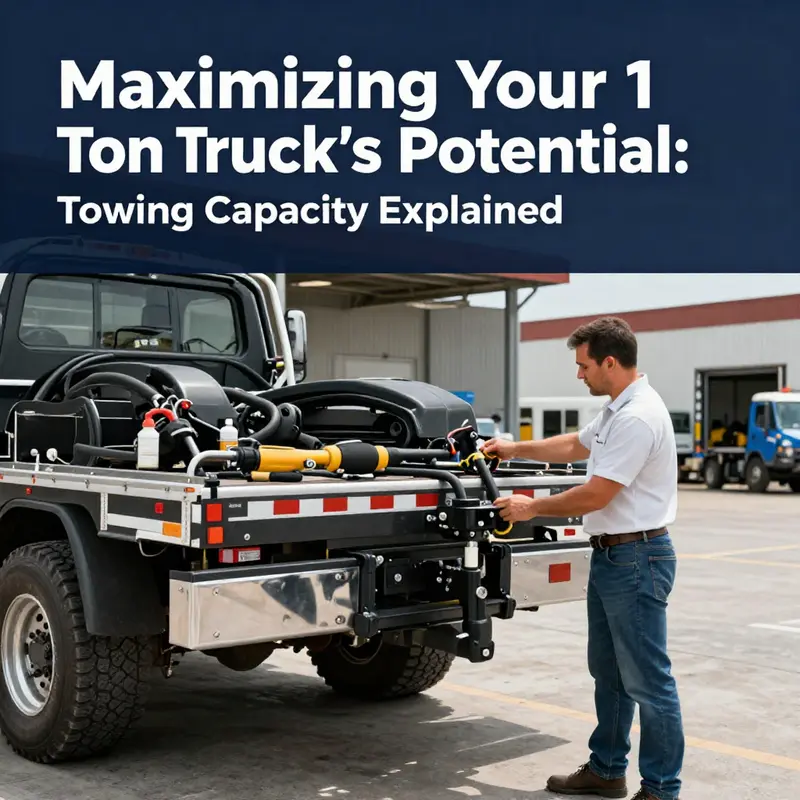
When considering the towing potential of a 1-ton truck, it is essential to recognize that behind every impressive number on the door lies a complex interplay of engineering prowess, regulatory mandates, and practical safety guidelines. This chapter embarks on a comprehensive journey that explores how understanding the limits and capabilities of your truck not only improves performance but also safeguards lives, property, and your long-term investment. Over the years the 1-ton truck has evolved from a simple workhorse into a technologically advanced vehicle built to handle demanding loads. However, as towing capacity is pushed to its boundaries, various factors must be understood and respected, including engine output, chassis design, weight distribution, and local regulations that dictate safe towing practices.
At the heart of the matter is the recognition that a 1-ton truck’s towing capacity is not a single, immutable number. Instead, it fluctuates considerably according to the vehicle’s construction and configuration. For instance, factors such as whether the truck features a 4×2 or 4×4 drivetrain, its suspension design, and the specific arrangement of its cab play pivotal roles in determining the maximum load it can safely pull. In many cases, guidelines suggest that such trucks can manage towing loads anywhere from 10,000 to 16,000 pounds when properly equipped. Yet, for many practical applications – particularly when safety and day-to-day usability are the primary concerns – a more conservative estimate ranging from 5,000 to 10,000 pounds is recommended. This conservative approach ensures that the vehicle remains nimble under various driving conditions, including tight turns, steep inclines, and unexpected emergency maneuvers.
One cannot overstate the importance of maintaining an equilibrium between payload and towing capacity. A critical consideration for operators is understanding that the truck’s payload—the combined weight of its passengers, cargo, and any accessories—must always be balanced against the towing load. When the payload is excessive or poorly distributed, the overall stability of the towing setup is compromised. An imbalanced load can lead to reduced braking efficiency, compromised steering response, and even dangerous sway conditions that may escalate into accidents. A careful approach involves planning how each component of the truck’s load interacts with the towing setup. In everyday scenarios, a truck owner might load the bed with tools and equipment, yet if additional weight is added to the trailer, it becomes imperative to ensure the overall Gross Combined Weight Rating (GCWR) is never exceeded. This detailed balancing act is central to both preventing mechanical strain and guaranteeing safety on the highway.
Equally important are the attachments that form the physical link between truck and trailer. A trailer hitch, trailer coupler, and ball mount are not mere accessories; they are integral to safe towing operations. For example, if any of these components are underrated relative to the total weight or if they exhibit signs of wear and tear, then the entire towing operation is put at risk. It is essential that all these parts are not only rated for the anticipated load but that they are routinely inspected for wear. This includes checking for cracks, corrosion, or any form of loosening that might compromise the integrity of the towing assembly. In addition, if the trailer is equipped with its own braking system, the truck must have an effective brake controller that synchronizes well with the trailer brakes. Failing to secure an appropriate trailer braking system can lead to catastrophic failures, especially when sudden deceleration is required. The practical implication for truck operators is to treat each towing component as a safety device that demands regular maintenance and careful calibration to ensure optimal performance.
Beyond the equipment and the physical load, the art and science of towing also involve a deep understanding of weight distribution. When embarking on a towing venture, one must carefully plan how the weight is distributed between the truck and the trailer. An uneven distribution can result in a phenomenon known as trailer sway—a dangerous oscillation that can destabilize the entire vehicle assembly. Operators should familiarize themselves with techniques to counteract this, such as using weight-distribution hitches and ensuring the trailer’s cargo is secured tightly. The technique of distributing weight evenly across axles and maintaining a balanced center of gravity is particularly critical during maneuvers like turning or when braking suddenly. Special attention should be paid to whether the truck configuration is geared primarily for work tasks or if it is being adapted for recreational towing. In both cases, understanding the interplay between payload and towing capacity is paramount in order to adjust and optimize the vehicle’s performance on diverse road conditions.
Equipped with theoretical knowledge about weight and balance, drivers must also develop robust practical skills to protect themselves and their cargo from unforeseen challenges. Real-world driving often presents unexpected obstacles, from sudden weather changes to abrupt traffic conditions, which can quickly tip the delicate balance of a well-planned towing setup. This is where continuous driver education becomes indispensable. It is not sufficient to merely read the owner’s manual; practical training elements, such as learning to manage trailer sway, anticipating braking distances, and understanding the impact of acceleration on a loaded vehicle, are equally important. Many experienced drivers will attest that the most successful towing trips are those where both the vehicle and the operator have been thoroughly prepared for every eventuality. This level of preparedness often comes through a combination of formal training programs and hands-on experience in a controlled environment.
Regulatory compliance is another cornerstone of safe towing that must never be overlooked. Government agencies and transport safety administrations have established guidelines that address every aspect of towing—from trailer dimensions and hitch ratings to mirror requirements and visibility mandates. Adhering to these rules not only ensures that operators avoid legal penalties but also contributes to overall road safety. For instance, local and national regulations may dictate restrictions on trailer length, maximum axle loads, or even the minimum required distance between vehicles when towing a heavy load. These rules are designed with an eye toward protecting every road user, ensuring that even in the event of a mishap, the consequences are minimized. Operators who frequently tow for commercial purposes may also be required to secure additional certifications and participate in specialized training programs. The key takeaway for any towing operator is to view regulatory compliance as an essential part of the towing process, rather than a bureaucratic step to be bypassed.
In addition to strict compliance with established rules, there is an emphasis on adopting best practices that extend beyond the driver’s manual. Modern towing goes hand in hand with technology, and today’s trucks are often equipped with systems designed to enhance both safety and driver awareness. Many vehicles now offer integrated trailer stability programs, dynamic brake assist, and real-time monitoring systems that provide critical feedback regarding load distribution and tire traction. These technological advances provide drivers with instantaneous data on the current state of their towing configuration, allowing timely corrections before minor issues develop into major problems. Nevertheless, technology is not a substitute for human judgment. Even with all the automated safeguards, the paramount responsibility lies with the driver to interpret data correctly, to anticipate challenges, and to maintain a vigilant mindset. This sophisticated interplay between machine intelligence and driver skill is a central theme in modern towing operations, exemplifying how the industry has evolved over the years.
A significant aspect of maintaining this high standard of safety involves regular maintenance and a proactive approach to vehicle care. Routine checks of the truck’s brakes, tires, and suspension are integral to ensuring smooth towing operations. Drivers are advised to pay special attention to the connection points between the truck and trailer, making sure that safety chains, electrical connections, and any auxiliary equipment are functioning as expected. A minor malfunction in one component can quickly escalate into a major safety hazard. For example, a worn-out tire or a failing brake system can diminish the driver’s ability to respond effectively in an emergency situation. To safeguard against such risks, many experts recommend a pre-towing checklist that covers all essential components of both the truck and the trailer. By adhering to such a checklist, drivers can ensure that their vehicle is in optimal condition before embarking on a long journey or hauling particularly heavy loads. It is also highly recommended that operators periodically review the manufacturer’s guidelines and seek professional advice when upgrading towing components. For those moments when assistance is needed, reliable services such as the DC towing service are available to ensure that stranded drivers receive prompt and effective support.
Beyond the immediate mechanics of towing, there is an underlying layer of risk management that operators must internalize. Every journey with a heavy load carries inherent risks that can be mitigated only by thorough planning and constant vigilance. A careful examination of weather forecasts, road conditions, and traffic patterns can provide crucial insights that help in planning a safer route. Advanced preparation may include planning for emergency stops, establishing contingency plans for mechanical failures, and even having a trusted roadside assistance service on speed dial. The notion of risk management extends to the communication between the truck driver and other road users. Clear signaling, maintaining a safe following distance, and remaining aware of blind spots are practices that help manage the uncertainties encountered on the road. This proactive approach does not merely reduce the likelihood of accidents; it instills a sense of confidence and responsibility among drivers that is essential when managing a load of significant magnitude.
As the towing industry continues to evolve, there is a parallel, ongoing dialogue between manufacturers, regulatory bodies, and towing experts that seeks to push the boundaries of what these vehicles can achieve without compromising on safety. Advances in material science and engineering have paved the way for stronger, more resilient truck frames and hitches, which directly impact towing capacity. However, these improvements also bring with them a need for updated safety protocols and regulatory revisions. In this dynamic environment, staying informed about the latest changes in towing guidelines is as important as mastering the mechanical intricacies of the vehicle itself. For many professional operators and even for occasional users, the key to success lies in continuous education and adaptation. Manufacturers and government agencies alike encourage operators to engage with updated resources, such as those provided by the Federal Motor Carrier Safety Administration (FMCSA), which regularly publishes safety bulletins, regulatory updates, and technical guidelines that are critical for informed decision-making.
In summary, mastering the towing potential of a 1-ton truck involves much more than simply knowing the maximum weight it can pull. It demands a comprehensive understanding of vehicle dynamics, strict adherence to safety practices, and a proactive approach to regulatory compliance. From ensuring that all towing components are properly rated and maintained to developing the skills necessary to manage weight distribution and react to emergency situations, every element plays a crucial role in safeguarding both the operator and other road users. The delicate balance between performance and safety, coupled with the intricate details of compliance and risk management, forms the bedrock of responsible towing. As you continue to explore the capacity of your 1-ton truck, remember that the guidelines and practices outlined here are not static—they evolve with new technological advances and regulatory updates. Constant vigilance, regular maintenance, and a commitment to ongoing learning will help ensure that every towing experience is both successful and safe. Embracing this multifaceted approach not only maximizes your truck’s capabilities but also sets a high standard for road safety and operational excellence in the realm of heavy-duty towing.
Final thoughts
Knowing how much a 1 ton truck can tow is essential for any business owner engaged in transport. By understanding the specifications and remaining vigilant about safety regulations, businesses can optimize their operations, ensuring both efficiency and compliance. This knowledge is not just about capacity; it is about cultivating a reliable and safe towing experience that safeguards investments and enhances productivity.