
Understanding tow truck fees is critical for business owners, particularly for those with fleets or regular towing needs. This guide delves into average costs, key factors influencing these costs, and effective strategies for managing expenses. In the following chapters, we’ll explore essential pricing details, how to navigate various influences on costs, and practical tips to keep your towing expenses under control.
Decoding the Tow Tag: How Tow Truck Fees Stack Up and What They Really Pay For
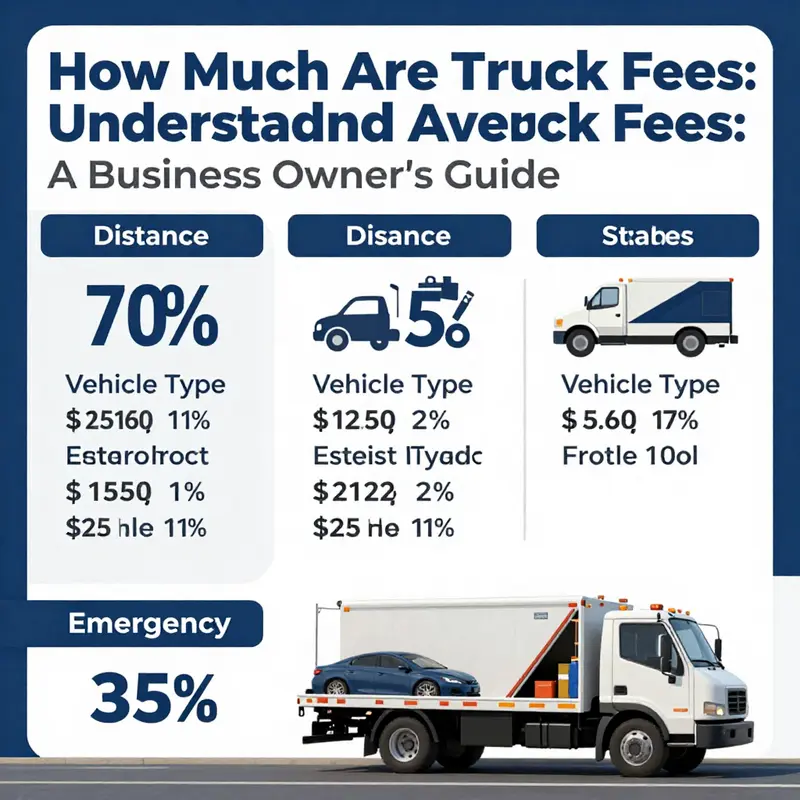
When a vehicle leaves you stranded on a highway shoulder or parked in a lot with a dead battery lamp blinking in the dash, the first worry is usually getting help fast. The second worry, soon after, is the bill that arrives with the tow. Tow truck fees are not a single figure; they’re a moving target driven by a handful of practical realities. Understanding what pushes the numbers up or keeps them down can spare you a lot of surprise when the dispatcher calls back with a total. In broad strokes, you can expect short-distance tows—say under 10 miles—to land in the ballpark of seventy-five to one hundred fifty dollars. Move into a longer stretch, around twenty-five to fifty miles, and the price commonly spans roughly one hundred fifty to three hundred dollars. Once the destination crawls past the triple-digit mark, beyond one hundred miles or when specialized equipment is needed, the price can climb to three hundred dollars and up, sometimes well into the high hundreds. These ranges aren’t fixed guarantees; they’re best-available estimates that depend on context, timing, and the vehicle being moved. The same scenario can produce very different receipts from different providers or in different places, and that variability is not an accident. It’s the result of a few predictable levers that tug at the total, from the moment the tow call is placed to the final delivery at the repair shop or lot.
Distance traveled is the most obvious driver. Most tow outfits use a base dispatch fee plus a per-mile charge, or they operate a hook-and-roll model where you pay to hook up the vehicle and then a per-mile rate. Some services, especially those with tiered pricing, group miles into bands such as 0–10 miles, 10–25 miles, and so on, with higher rates applied as the distance grows. The vehicle’s weight and type matter just as much as distance. A compact sedan is cheaper to move than a full-size pickup, SUV, or commercial van because bigger vehicles require heavier trucks, more manpower, and sometimes special equipment like wheel lifts, dollies, or heavy-duty winches. The difference isn’t cosmetic; it’s rooted in the cost of fuel, maintenance, and the wear on specialized gear. Time of day and whether the tow is an emergency play a concrete role as well. Off-hours mean higher labor costs and the need to staff crews around the clock, which many companies translate into emergency or rush fees that can add tens to hundreds of dollars to the bill.
Location is another hidden factor. Urban centers with intense traffic, limited access, and higher living costs tend to push base rates upward. Conversely, rural areas might seem cheaper per mile but can bill more for travel time if the dispatcher has to cover long nonlocal routes to reach you. When a vehicle is recovered after an accident or when hazardous materials or unusual conditions are involved, the price can rise further due to the extra training, precautions, and equipment required. Special services like winching over ditches, recovering vehicles from a ditch or mud, or lifting a heavy piece of equipment can noticeably inflate the final figure. If the car ends up stored at a tow yard, storage fees can accumulate daily, typically in the range of a modest $15 to $30 per day, and those charges can accumulate quickly if a repair shop can’t take delivery immediately.
All these charges can converge into a single invoice that looks more complicated than the original breakdown you might have imagined. That’s why a detailed cost breakdown matters. A responsible tow provider should be able to give you an estimated total before the vehicle is moved, including a clear line-by-line explanation: base fee, per-mile charges, time-of-day surcharges, equipment fees, and any storage or re-tow fees if applicable. If a dispatch arrives with a vague number, ask for a precise estimate and request a written breakdown. In the same breath, consider the value of your own protection. Some auto insurance policies include towing benefits, often with a limit per incident, and a handful of credit cards or roadside assistance memberships offer similar coverage. If you’re unsure what your policy covers, a quick call to your insurer can save you from paying more out of pocket than you need to.
For practicality in the moment, it pays to know how the charges can be explained and where you can compare. If you’re trying to gauge options in a given city, you can explore a local provider’s page to get a sense of regional pricing patterns. For example, you can check a nearby service page like the towing service in Washington, DC to see how a local operation presents its rates and terms in the context of the area’s typical needs. This isn’t a promise of exact numbers for your situation, but it helps you calibrate expectations and prepare questions for the dispatcher.
Ultimately, the best practice is to seek a quick, transparent quote before the tow takes place. Request a total estimate up front, insist on a fee breakdown, and be clear about where the vehicle is headed and whether you want the driver to wait for your authorization before any transport begins. If you’re dealing with a roadside assistance plan, share your coverage details and the location of the vehicle when you call. And if the situation allows, compare two or three quotes to ensure you’re not overpaying for distance or for the weight of the load. The goal isn’t to chase the cheapest price but to secure reliable service with a transparent, fair pricing structure.
All of these considerations—the distance, the weight and type of the vehicle, the time of day, the location, and any special services or storage needs—shape the final bill you receive. When you understand where those costs come from, you’re better prepared to evaluate options, communicate clearly with the dispatcher, and avoid sticker shock after the tow. For a broader benchmark beyond one city or one company, consult a reputable external resource on towing costs to get a sense of national or regional patterns. AAA Car’s towing costs guide offers a useful baseline for context: https://www.aaacar.com/towing-costs/.
The chapter ends not with a hard price, but with a practical approach to price literacy. By focusing on the factors that push the numbers up or down, you gain a clearer picture of what a tow is worth in your area and under your specific circumstances. This awareness translates into better decisions at the moment you need help and into smarter conversations before you authorize service. In the next section, we’ll translate these principles into a simple, action-ready checklist you can keep in your glove box—one that helps you navigate the tow call with confidence rather than confusion.
null
null
Tow Truck Fees Unraveled: Understanding Costs and Finding Ways to Save on Roadside Help
Tow emergencies rarely arrive on a schedule, and the first thing people notice is the price tag that follows. Tow truck fees are not a single number; they are a layered calculation built from distance, vehicle specifics, and service conditions. In practice, most operators begin with a base or hookup fee, then add a per-mile rate. For short hauls—think 5 to 10 miles—the total often lands in the 75 to 150 dollar range, sometimes a touch less or more depending on locale and the exact setup of the truck pulling your car. When the distance grows to 25 to 50 miles, the bill commonly climbs into the 150 to 300 dollar territory, with heavy vehicles or tricky access potentially pushing it higher. For long-distance transports, especially those requiring specialized equipment or multiple stops, fees commonly rise to 300 dollars and beyond, sometimes exceeding 800 dollars if the job involves a commercial vehicle, a damaged chassis, or unusual terrain.
The way a tow is priced matters almost as much as the distance itself. A lot of pricing comes down to two core elements: the distance traveled and the equipment required. Many operators use a base charge to hook up the vehicle and then apply a per-mile rate, while others employ tiered pricing that increases with each distance bracket. In practical terms, this means the initial hookup fee is only part of the story. If you need a tow across town, the mileage adds up quickly, and any delays or detours can compound the cost. On the other hand, if the vehicle is reachable with a straightforward pull, the total will stay closer to the lower end of the spectrum. The vehicle type matters as well. A compact sedan may be quick and light on fuel, whereas a full-size pickup, SUV, or commercial vehicle requires larger equipment, more fuel, and sometimes a specialized tow method, all of which can substantially raise the price.
Time of day and urgency are also economic levers. Emergency or late-night calls often trigger higher rates. The logic is simple: staffing costs rise and demand spikes when roads are less hospitable. If you can wait for daylight or non-peak moments, you can frequently avoid a sizable premium. Location is another variable. Urban areas with dense traffic, higher living costs, and fewer service providers tend to push base rates upward, while rural destinations may impose longer travel times from the closest available tow truck, altering the overall equation. The most visible add-ons are storage and special equipment charges. If a vehicle must be kept in a secure lot, storage fees accumulate daily. Winching, dollies, wheel lifts, and flatbed use each carry their own price tag, and a follow-up or re-tow just compounds the expense.
All of this explains why no two tow bills look alike even for vehicles that seem similar at first glance. To navigate this landscape, it helps to approach pricing as a transaction with a clearly defined structure rather than a single, opaque quote. A practical step is to request an estimate before any service begins and to insist on a breakdown of the charges: base rate, mileage, and any emergency surcharges. If you have roadside assistance through your auto policy or a credit-card benefit, those programs can temper the final cost or even cover a portion of the tow, depending on the plan and the distance covered. In fact, some plans include towing up to a certain distance at no extra cost, which can be a meaningful saving in a pinch.
Another way to keep costs in check is to consider the operator’s equipment fleet and the costs involved in maintaining it. Even though most drivers want to get you back on the road quickly, the economics behind a tow revolve around more than the nocturnal hour or the immediate need. The investment in heavy-duty equipment—such as a robust rollback flatbed designed to haul larger or damaged vehicles—represents a substantial capital commitment. In general terms, a heavy-duty, 10-ton rollback setup can cost tens of thousands of dollars, a figure that operators must recoup through pricing on the jobs they take. That upfront investment translates into higher rates for certain jobs, especially those requiring specialized handling, longer distance, or complex recovery scenarios. This context helps explain why a simple tow can balloon if the vehicle is unwieldy, the road access is poor, or the scene requires multiple dispatches.
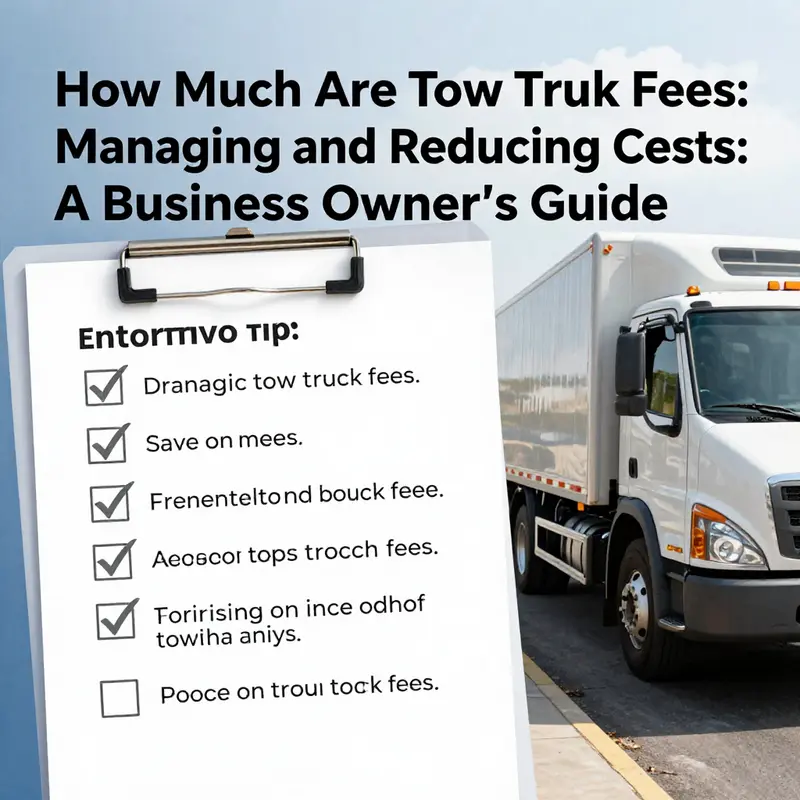
With cost structure in mind, several strategies emerge for reducing the bottom line without sacrificing safety or service quality. First, seek an upfront estimate with a clear breakdown and ask about any potential surcharges before you authorize work. Second, favor local, licensed operators who provide transparent pricing; out-of-town crews may quote higher levels due to travel time and licensing differences. Third, whenever possible, avoid emergency towing by planning ahead and arranging non-emergency transport, especially if you can access your vehicle in daylight or when weather conditions are favorable. Fourth, check whether your auto insurance or roadside assistance plan includes towing benefits, and understand any distance limits or caps that apply. Finally, keep in mind the broader logistics of the tow: a longer journey might be worth a higher initial quote if it prevents multiple, staggered trips that could rack up more charges.
For those who want a tangible benchmark against which to compare local quotes, examining urban pricing patterns can be instructive. A local reference point from a Washington DC area provider illustrates how a typical urban tow balances base charges with per-mile costs and occasional surcharges. If you want to explore that model firsthand, you can read about a nearby provider’s approach here: towing service in Washington DC.
Ultimately, understanding the pricing logic behind tow truck fees empowers drivers to anticipate costs, compare quotes more effectively, and negotiate smarter when a roadside incident arises. While the exact numbers will always depend on the specifics of distance, vehicle weight, and timing, the framework stays consistent: a base connection, a mileage component, and any service conditions that amplify risk or effort. As costs ebb and flow with market realities, the ability to ask precise questions and to rely on documented estimates becomes the best guide to a fair, predictable outcome. And because pricing is as much about safety and reliability as it is about value, choosing a reputable, transparent towing partner remains a critical decision at the moment of need.
External reference: https://www.alibaba.com/product-detail/Inexpensive-Brand-New-10-Tons-Rollback-Flatbed1600478552976.html?spm=a2700.galleryofferlist.normaloffer.d_title.5c3e5f1aWwBQYv&fsb=true&src=surface&seller=1179282761&productId=1600478552976&scm=1007.20147.100182.0
Final thoughts
Efficiently handling towing fees is vital for maintaining a healthy bottom line in any business. By grasping the average costs and key factors at play, along with effective management strategies, business owners can reduce their towing expenses. Being prepared and informed will ultimately lead to smarter decisions when it comes to dealing with towing services, ensuring your business remains agile even during roadside emergencies.