
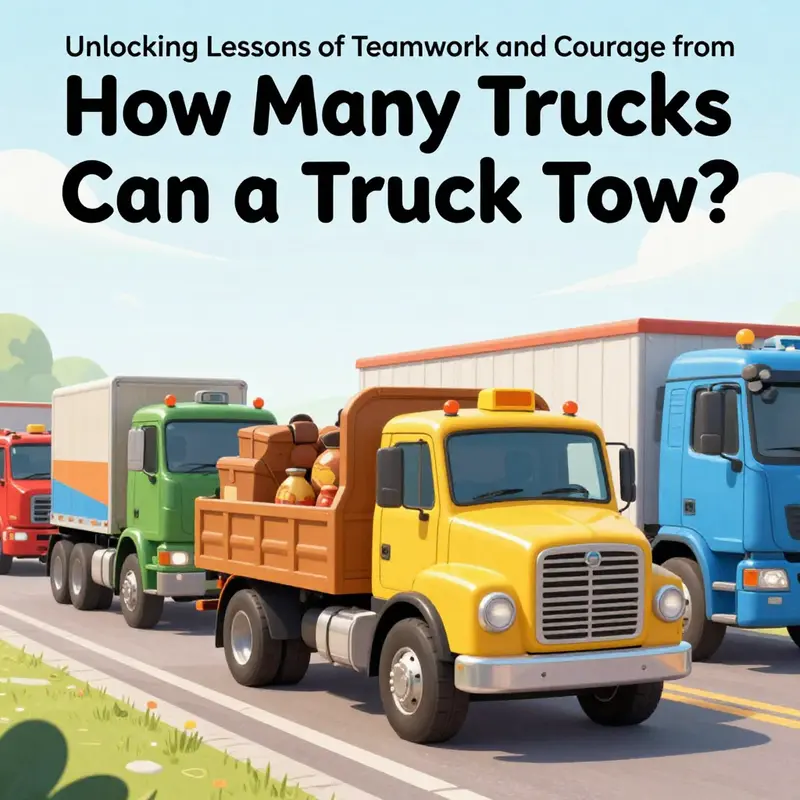
The children’s picture book How Many Trucks Can a Tow Truck Tow? offers more than just a playful tale about a tow truck helping others; it encapsulates vital themes of friendship, determination, and the power of community assistance. Each chapter of this article reveals how the book’s narrative connects with core lessons in both life and business. We will discuss the thematic elements that resonate with readers, demystify towing capacities in light of the book, and explore the significant influence it has had in the realm of children’s literature. By understanding these aspects, business owners can glean insights into nurturing values of teamwork and resilience among their young audiences.
Tow Truck Courage: Reading Limits, Friendship, and Teamwork in How Many Trucks Can a Tow Truck Tow?
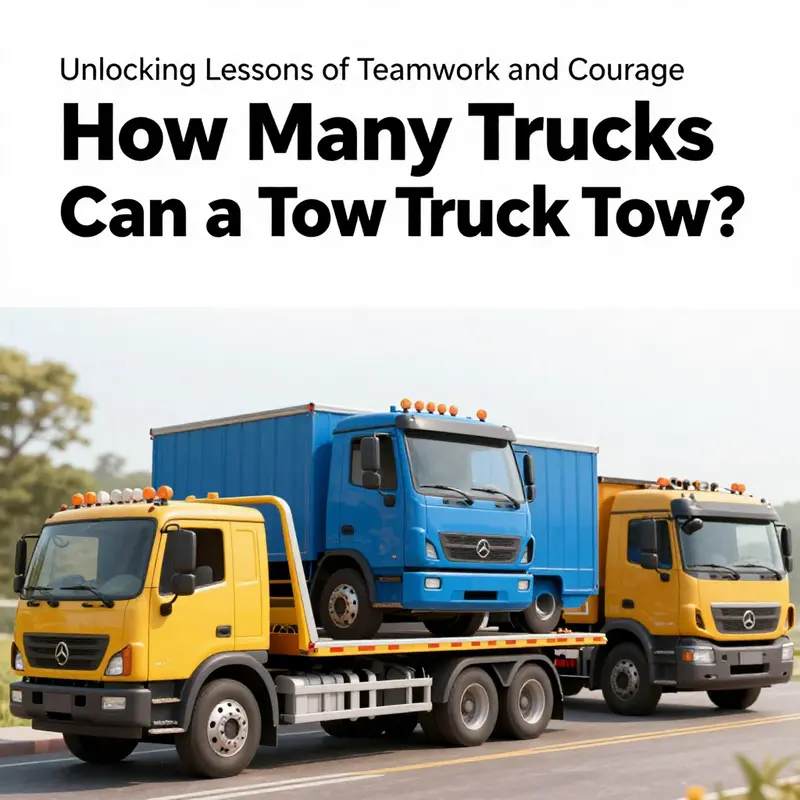
Tow Truck Courage: Reading Limits, Friendship, and Teamwork in How Many Trucks Can a Tow Truck Tow?
At first glance, the title How Many Trucks Can a Tow Truck Tow? invites a math game, but the book offers a slower, warmer kind of calculation—one that measures courage, not kilograms. The little tow truck narrates a daylong quest through a neighborhood where three trucks lie stranded, each face etched with frustration and a touch of humor. The tale treats a simple task as an expedition, turning a routine job into a test of character. The illustrations glow with bright, tactile color, giving weight to each bump of the road and each cheer from the onlookers. The narrator’s voice is straightforward and hopeful, inviting children to ride along as the tow truck weighs options, tries solutions, and learns that responsibility often begins with a decision to begin. In this field of play, the book clarifies what counts as a success: showing up, keeping going, and offering a helping hand even when the path seems impossible.
Capacity becomes a metaphor rather than a literal measurement. The tow truck doesn’t suddenly find a universal answer; instead, it discovers a rhythm—a sequence of small wins that accumulate into something larger. When a tricky snag blocks progress, the little vehicle reevaluates, asks for help from the vans and trucks nearby, and reshuffles the plan. The story does not pretend that limits vanish; it reframes them. A stubborn hill, a stubborn fuse, a stubborn grin on a friend’s bumper—these are made approachable because the narrative frames every obstacle as a puzzle to solve, not a verdict on worth. Readers watch the tiny hero test options, discard failures, and celebrate incremental progress. The emotional arc emphasizes that belief fuels effort, and effort, in turn, renews belief.
Teamwork and mutual support emerge as quiet engines behind the spectacle of feats. The little tow truck carries the lead, yes, but the chorus of supportive lights—other vehicles blinking in encouragement, guiding paths, offering space to maneuver—reminds readers that solitary bravado does not move the world. The momentum comes from dialogue, collaboration, and trust. When the road ahead looks tight, the group finds distancing routes, shares resources, and redefines what a successful rescue looks like. This is teamwork in miniature: a confidence-building circle where every character contributes a piece, and every piece matters. The book makes room for both courage and humility, showing that relying on others is not a sign of weakness but a sign of wisdom. By the final leg of the journey, the three stranded trucks are not just rescued; they are connected by the act of being helped.
The artwork sustains the energy and makes emotion legible for young readers. Bright colors carry the tension and relief in broad, friendly strokes. Expressions read loudly even when words dance in the margins. The scenes invite speculation: What would readers do in a similar moment? What would a child do when the road seems blocked but a friend offers a clue? The overarching mood is optimistic without flinching from difficulty. It teaches a soft, durable lesson—that goals feel reachable when we approach them with curiosity, persistence, and a personal network of supporters. In this way, the book becomes more than a story about towing; it becomes a guide for life, a gentle reminder that sometimes the smallest vehicle in the lineup carries the biggest load of hope.
Throughout the narrative, the neighbors, the family of vehicles, and the tiny narrator model a quiet ethics of care. The story asks young readers to translate the assurance of a helper into their own everyday choices: to lend a hand at school, to persevere through a tough task, to cheer on a friend who struggles. The sense that every effort matters, that one person’s persistence can lift others, will linger long after the last page is closed. In a neighborhood that looks out for one another, the act of towing becomes a metaphor for mentorship and communal resilience. For readers who want a touch of real-world context about how communities organize help, a nearby service page offers a practical echo of the story’s spirit: towing service in Washington, DC.
For readers curious about the book’s reception and its enduring appeal, you can explore additional context and details at the Amazon page: https://www.amazon.com/How-Many-Trucks-Tow-Truck-Tow/dp/067987810X
Tow Truck Capacity: A Gentle Lesson in Safety and Teamwork
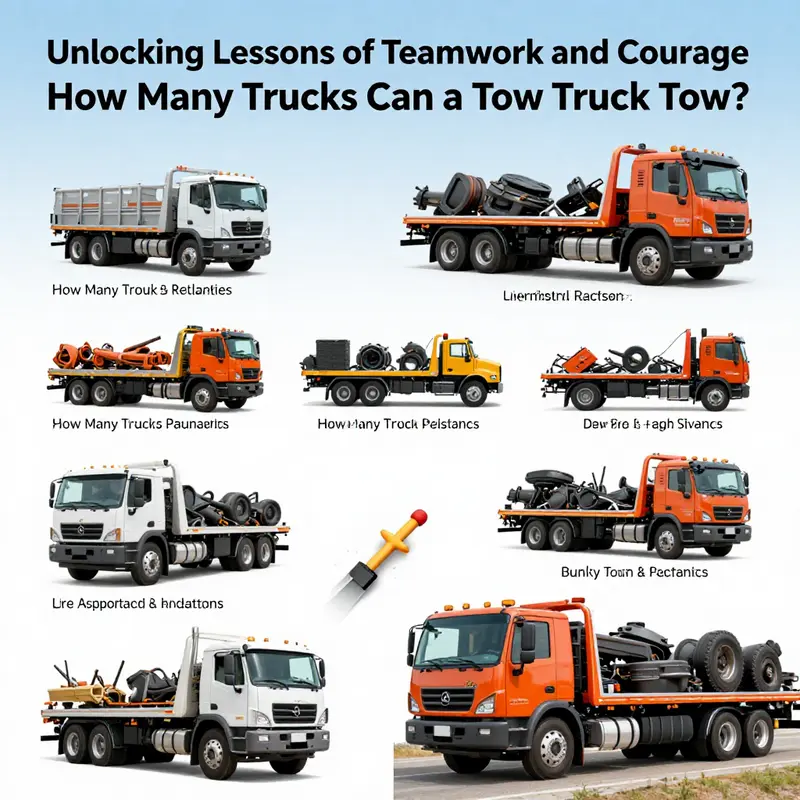
The small tow truck in the story becomes a doorway into thinking about weight, space, and safety for both children and grownups. It invites readers to consider how many trucks a tow truck can tow not as a fixed number, but as a lesson about limits, planning, and teamwork. The tale shows safe practices, checks on weight, and the use of appropriate equipment such as dollies or flatbeds, along with clear communication. It emphasizes responsibility over bravado, letting capacity be part of a larger dance of safety on the road. The goal is to translate playful curiosity into real world habits, so readers carry the idea beyond the page and understand that strength must be guided by judgment.
Tow Tales and Tiny Lessons: Reading the World with a Little Tow Truck
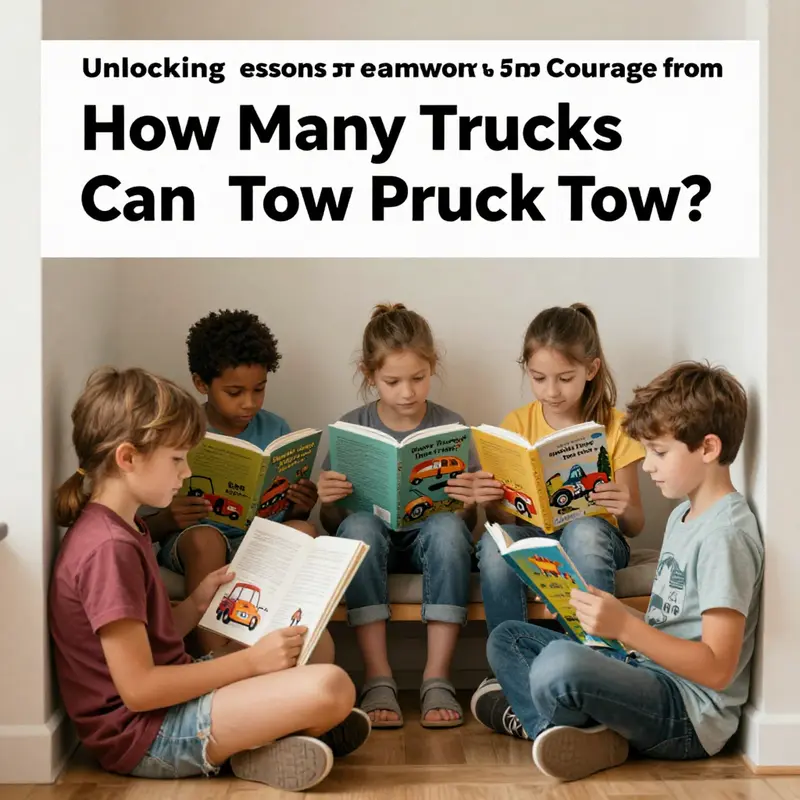
The chapter unfolds like a quiet morning in a sunlit garage, where the smallest tow truck becomes the most expansive storyteller. In a world that often asks how much can be hauled, the picture book reframes the question by centering a character whose courage is measured not in tonnage but in tenacity, kindness, and a willingness to listen. The little tow truck does not boast about capacity; instead, it proves that leadership in a crowd of larger machines comes from being reliable, patient, and resourceful. The narrative invites young readers to watch a small helper step forward, not with loudness, but with steady actions that accumulate into trust and friendship.
The visual language of the book amplifies this message. Bright, bold illustrations bathe every page in energy, inviting the eye to move in tandem with the plot. Colors reflect mood and momentum as the tow truck gears up to aid three stranded trucks. The art communicates a world where every vehicle has a personality and every problem has a solution that grows from cooperation.
At the heart of the book lies a set of enduring values—friendship, mutual aid, and the quiet art of perseverance. The little tow truck does not arrive with a definitive, binary fix; instead, the rescue unfolds through small, thoughtful steps. It asks questions, listens to the stranded trucks’ concerns, and adjusts its plan as new information appears. In doing so, the book models an approach to problem-solving that feels accessible to early readers. It frames resilience as collaborative labor, where success is measured by how many helping hands, not how many feet of rope one vehicle can claim.
The educational footprint of the work is subtle but meaningful. While not a manual, the story gently introduces basic vehicle concepts—tow hooks, cables, and the choreography of a roadside assist—within a narrative that emphasizes safety, care, and responsibility. Children observe how a scene can move from crisis to calm as actions are coordinated and roles are respected. The shared focus on communication—checking in with other trucks, signaling intent, and adjusting course—parallels the early literacy practice of predicting, questioning, and confirming. In this way, the book becomes a constructive invitation to connect everyday mechanisms with ethical choices, turning a familiar roadside scenario into a classroom of social understanding without ever becoming didactic.
Final thoughts
The exploration of How Many Trucks Can a Tow Truck Tow? reveals valuable lessons for both life and business. The themes of teamwork, helping others, and determination encapsulated in this children’s book resonate deeply with the virtues of collaboration and support in any organization. By understanding and embracing these lessons, business owners can cultivate a more resilient and united workforce while simultaneously engaging young readers with narratives that nurture their values. This book stands as a timeless reminder of the impact of community, providing a slate from which both children and adults can learn.