
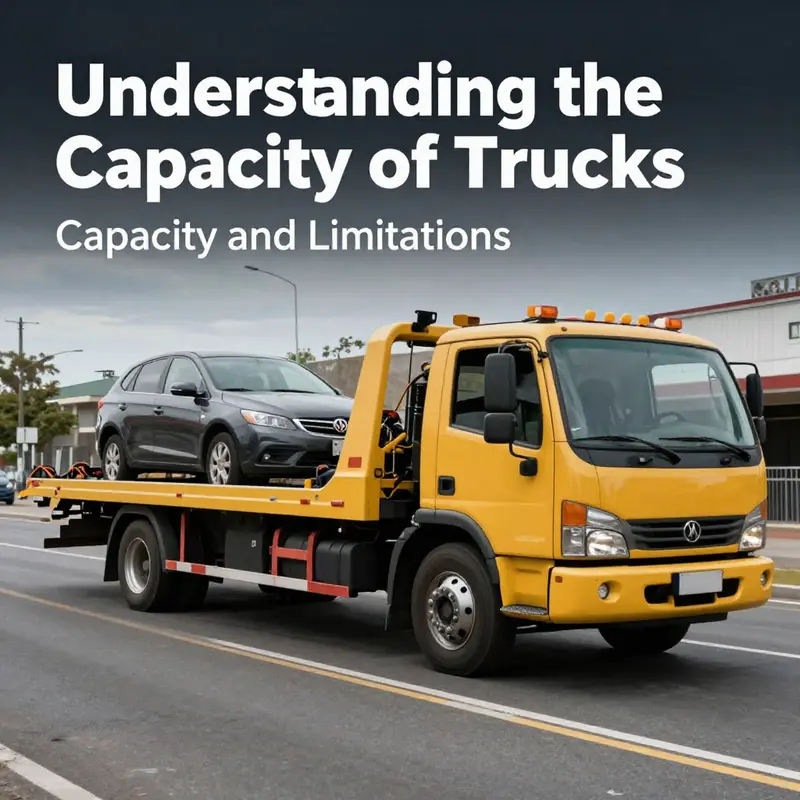
For business owners in the towing and recovery industry, the question of how many trucks a tow truck can tow is critical for operational efficiency and customer service. Understanding towing capacity and the inherent limitations not only helps in optimizing recovery efforts but also emphasizes the necessity of safety protocols. This article explores the factors influencing towing capacity, explores safety considerations, and highlights legal regulations to ensure safe towing practices. The first chapter will delve into the mechanics behind tow truck capabilities, while the second will address the essential safety measures and regulations that govern towing operations.
null
null
Tow Limits in Practice: Safety, Capacity, and the Legal Boundaries of Towing Multiple Trucks
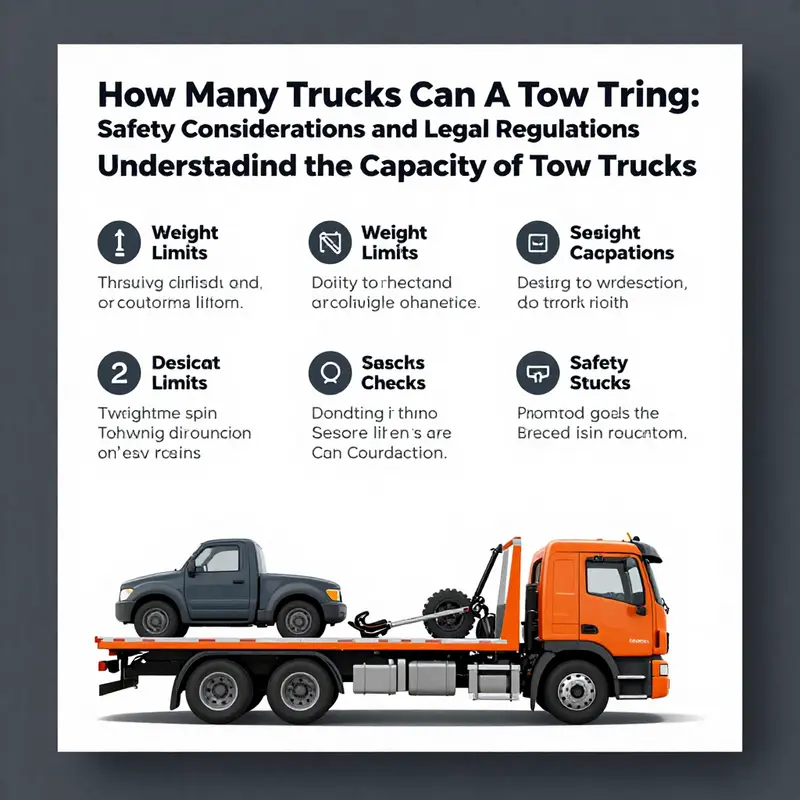
The question of how many trucks a tow truck can tow is not a single number but a balance of engineering limits, safety margins, and legal constraints. In most commercial operations, one vehicle is the standard objective, with a second vehicle only considered under strict conditions and with equipment designed to manage the extra load. Pushing beyond the manufacturer’s rated capacity increases the risk of mechanical failure, reduced control, longer stopping distances, and the potential for collateral damage on the road or in the yard.
Several factors drive what is permissible in practice. The tow vehicle’s rated capacity must be respected, and the way the load is distributed matters as much as the total weight. Wheel-lift or dolly configurations change the load path by lifting only the towed vehicle wheels, while flatbeds with high-capacity winches can theoretically accommodate more than one vehicle. However, additional vehicles introduce longer leverage, more attachment points, and greater opportunities for sling or chain slack, making careful planning essential.
Road conditions and maneuverability are also decisive. A straight highway motive may tolerate a larger total load than a slow, careful pull through dense traffic, narrow lanes, or uneven surfaces. Longer tethers increase the chance of snagging, wheel spin, or jackknifing, and they demand tighter control, signaling, and sometimes escort or police assistance.
Legally, limits vary by jurisdiction. Some areas cap the number of vehicles in a single tow, while others focus on weight thresholds or require special permits, operator qualifications, or equipment standards. Operators must check local rules, follow manufacturer guidance, and ensure that crew credentials and documentation match the task.
In practice, the safest approach is to perform a thorough on-site assessment, err on the side of caution, and treat multi-vehicle recoveries as higher-risk operations that may require additional units, specialized training, and explicit regulatory authorization. If there is any doubt about safety or legality, the prudent choice is to recover a single vehicle and reassess before attempting a second.
Final thoughts
In conclusion, understanding how many trucks a tow truck can tow is vital for ensuring efficient operations and adhering to safety standards. The towing capacity is determined by various factors like truck type, vehicle weight, and towing method, while safety considerations and legal regulations play a crucial role in running a compliant towing business. By staying informed about these dynamics, business owners can not only enhance their towing capabilities but also improve customer satisfaction and trust in their services. Prioritizing safety measures and adherence to legal standards contributes to a sustainable and responsible towing operation.