
Understanding the timing of tow truck services is crucial for business owners who may face roadside emergencies. The response time can vary based on location, traffic conditions, and vehicle specifics, affecting recovery efforts. This article delves into the response times of tow trucks in urban versus rural areas, the actual duration of towing once the truck arrives, and how complex scenarios can extend service times. By grasping these facets, businesses can prepare better and ensure prompt assistance during vehicular breakdowns.
Response Time in Motion: How Long Tow Trucks Take in Urban Hubs Versus Rural Roads
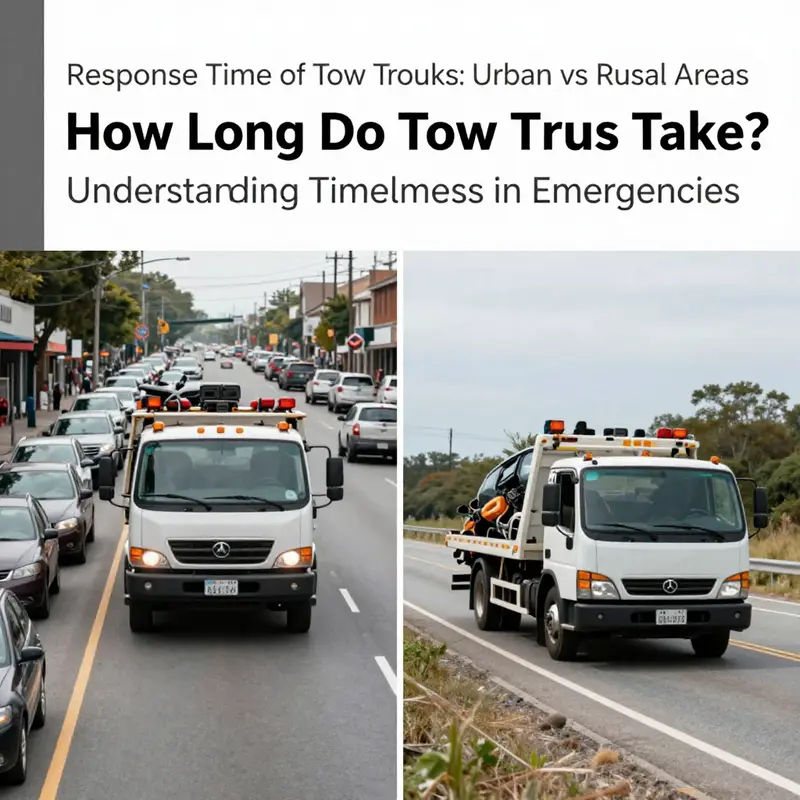
On a busy highway at dusk or in a gridlike downtown, the clock starts the moment you place the call for help. The question isn’t just how long a tow truck will take in general; it is how long in the place you actually are, with the layout of streets and the rhythm of traffic shaping every minute that follows. The factors are simple to name yet complex in practice: location, distance, demand, vehicle type, weather, and the specifics of the incident. Yet understanding these dynamics helps map out a realistic timeline so your expectations are grounded in where you are and what’s happening around you.
In urban centers, the answer tends toward shorter arrival windows—typically within 15 to 30 minutes after dispatch. A dense network of providers, around‑the‑clock dispatch centers, and fleets trained to navigate narrow streets all conspire to minimize wait time. The urban driver often has a leg up thanks to proximity; a tow truck may sit just a few miles away, queued for the next assignment, ready to thread through traffic with the precision of a seasoned driver who knows the local shortcuts and habitual choke points. The vehicle recovery itself, when you need it, is usually a straightforward operation if the car is accessible and the terrain is ordinary. A routine tow to a repair shop can be accomplished in roughly 10 to 20 minutes after arrival, assuming no unusual debris, steep driveways, or tight parking constraints hamper the hook‑up or chain of events that follow.
Rural and remote areas tell a different story. Distance becomes the principal driver of delay. A tow company may be serving a broad swath of countryside, so a call in one town might require a driver to cover tens of miles before they reach you. Response times easily stretch to an hour or more, with 60 to 90 minutes not uncommon. Weather, nightfall, and road conditions further extend the clock. In these regions, the availability of nearby service points is sparser, and the closest compatible truck might be headed from a distant town. The result is a longer handshake between your need for help and the tow operator’s route, and the impact is most felt when a breakdown happens far from the nearest service hub.
The time to actually tow the vehicle once the truck arrives follows a parallel logic. A straightforward tow to a shop or storage facility typically takes 10 to 20 minutes. This assumes clear access to the vehicle and a standard recovery scenario. But the moment the scene presents more complexity—heavy debris on the road, awkward terrain, multiple vehicles, or the need for specialized equipment—the clock can easily extend. In multi‑vehicle collisions or incidents involving hazardous materials, or when a heavy‑duty flatbed is required, crews may coordinate with other responders and allocate more time for safety checks, rigging, and transport. In such cases, the entire operation can extend to several hours, not because the tow itself is slow but because the logistics of containment, safety, and coordination demand a careful, staged approach.
Beyond the equipment and the geography, there are evolving technologies that promise to shrink waiting times, at least in controlled environments. Some airports have begun to test autonomous, battery‑operated tow operations that optimize taxi routes and monitor battery states to minimize idle time. By routing efficiency and energy management, these systems reduce delays when the setting is controlled and predictable. They are not yet a universal solution for everyday roadside service, but they signal a trend toward smarter dispatching and faster turnarounds when conditions are right. In the ordinary street setting, however, most drivers still rely on established fleets and human judgment to locate, reach, and recover the vehicle with safety and care.
If you want a more precise estimate for your specific situation, the practical path is to contact a local towing service directly. They can factor in your exact location, the vehicle type, the current traffic picture, and any weather or road constraints into a real‑time estimate. In the heat of an incident, providing a clear address, nearby landmarks, and the vehicle’s exact position can shave precious minutes from the response window. For travelers in urban corridors, this means a reliable, near‑instant connection to a nearby truck and a more predictable outcome. For people in rural areas, the same direct call provides the best chance of receiving a transparent window that reflects the actual driving distance involved and the crew’s current obligations.
In practice, you may also encounter a blend of urban and rural dynamics. A tow operator might be stationed in a suburban staging area that serves multiple neighborhoods, allowing for a quick hop to the incident site. The net effect is that your experience—arrival time and towing duration—rests on how well local coverage is organized, how roads are functioning in that moment, and whether the situation requires routine recovery or a more elaborate response. In Washington, DC you can explore options like tow-truck-washington-dc to understand the kind of proximity and service density that supports faster times. This kind of local knowledge matters because even small differences in dispatch routing can save minutes when every second counts.
Finally, it helps to keep in mind that a tow is not a single moment on the clock but part of a broader chain of care. The arrival is the beginning of a short window that includes securing the vehicle, ensuring safety at the scene, and determining the safest route to the destination. If a simple tow is all that is required, the process moves with a clean rhythm. If conditions complicate the effort, the team will pause to reassess, coordinate with other responders, and re‑confirm the best path forward. In every case, clear communication from the dispatcher to you, and from the driver to the shop, keeps the timeline honest and helps you plan the rest of your day with confidence. For broader context about roadside assistance strategies and coverage, you can consult external resources such as AAA Roadside Assistance.
From Arrival to Departure: The Real Timeline of Tow Truck Service
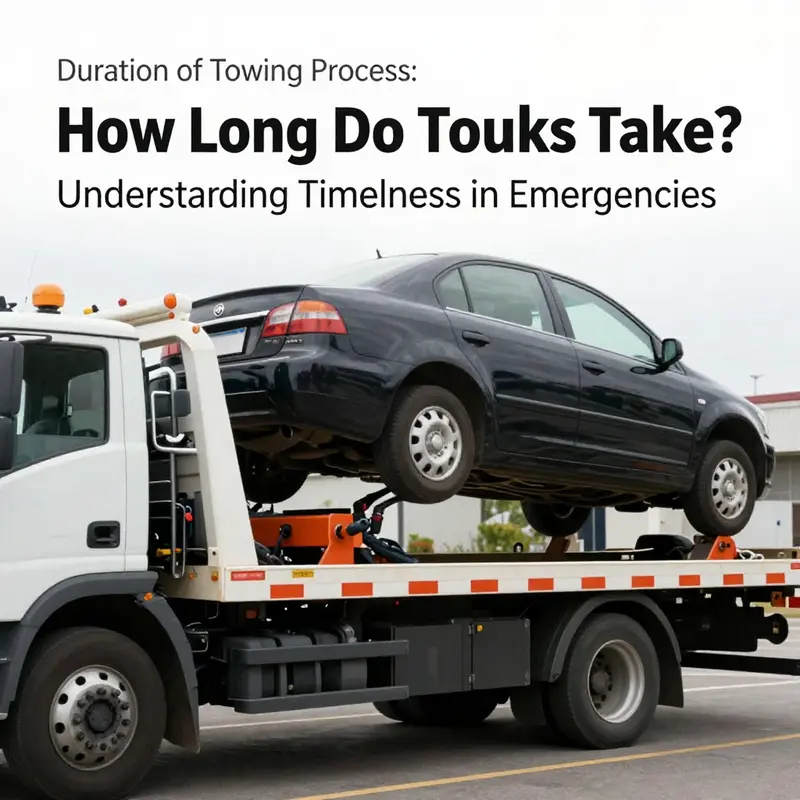
When you dial for help after a breakdown, the clock starts not at the moment you hang up, but when the dispatcher confirms your location and assigns the call. That moment matters because it frames the rest of the experience. The simple truth about tow times is that they are a tapestry of variables: where you are, what happened, what kind of vehicle sits on the shoulder, and how busy the local roads are. The core numbers you’ll hear—arrival times and towing durations—are baseline expectations, not guarantees. They are filters through which drivers and customers understand the odds of a quick turnaround. The better you understand the rhythm from dispatch to departure, the less anxiety you’ll carry while you wait, and the more you can plan for the moments that follow a breakdown or crash. The overall pattern emerges only when you separate what happens before a truck arrives from what happens after, and this distinction helps you read the clock with more realism.
On a practical level, the first window is arrival. Routine roadside help in urban and suburban areas tends to land in the 15 to 30 minutes after the call is dispatched, especially where service coverage is dense. In contrast, rural or remote locations stretch that window toward 60 to 90 minutes or longer, because tow operators must travel greater distances and juggle more constraints, from weather to road quality. Those figures are not promises but tendencies, since traffic patterns, the time of day, and local demand can stretch or compress them. A quick glance at a busy corridor may yield a faster response than a remote exit ramp where a single tow truck represents the entire local fleet. The point is simple: proximity to a provider and the current demand are as influential as the weather itself, and both can shift within minutes.
Once the tow truck arrives, the clock again shifts, this time toward the mechanics of moving the vehicle. The actual towing process typically takes between 10 and 20 minutes for a straightforward pull to a repair shop or storage facility. That range assumes the plot is open, clear, and free of the kinds of complications that can turn a 15‑minute job into something longer. The type of vehicle matters here. Lighter cars with simple pulls may glide onto a tow dolly or flatbed in minutes, while heavy trucks, all‑wheel‑drive vehicles, or luxury cars that require specialized equipment can push the duration toward the upper end of the spectrum. The environment also matters: a vehicle that is tucked into a tight space, blocked by debris, or perched on uneven terrain can demand careful maneuvering, slower rigging, and a little extra time to secure everything safely.
Complex scenarios—multi‑vehicle accidents, hazardous spills, or vehicles that need high‑end extraction or heavy‑duty flatbeds—illustrate how the timeline can stretch into hours. In those cases, the tow may be only a piece of a larger operation that involves coordinating with emergency services, traffic management, and multiple recovery units. Even here, the principle holds: the job expands to fit the challenges. A tow dispatcher who can pull in the right equipment quickly helps, but there are limits to what one unit can accomplish in isolation. In controlled environments like airports, innovations are nudging times downward. Autonomous battery‑operated tow systems at ground operations aim to optimize taxi routes and battery management, reducing idle time in the airfield loop. These developments illustrate a direction toward faster turnarounds, even as they continue to roll out slowly to everyday street use.
Beyond the hardware, the human and logistical sides of towing shape the clock as well. The vehicle’s location—on a busy street, at the edge of a highway ramp, or in a cluttered parking lot—changes the setup time, the safety checks, and the risk assessment the crew must perform before lifting. The decision between a traditional tow versus a flatbed requires weighing risk, route, and destination. A routine tow from a roadside parking spot may resolve in as little as 15 minutes of actual work, but a scenario involving damage to the undercarriage, a vehicle that won’t roll, or one that is immobilized by debris can easily extend the process. The longer a vehicle sits, the more factors accumulate—traffic will resume, tow routes may be clogged, and the crew’s plan needs adjustment on the fly. In practice, operators prioritize safety and efficiency equally, knowing that rushing a dangerous setup defeats the purpose of a quick outcome.
For customers, the practical takeaway is simple: plan for duration as a spectrum rather than a single figure. If you are in a dense metropolis, you should expect relatively short waits but be prepared for congestion‑driven delays during peak times. In rural settings, expect longer waits, especially if you’re far from the nearest service hub. Remember the distinction between arrival time and the towing window; knowing that the arrival window is separate from the time it takes to secure and transport your vehicle helps reduce uncertainty. When possible, have your location site clear and visible, convey any hazards, and confirm the exact vehicle type to the dispatcher to minimize back‑and‑forth that can add minutes. In short, the more precise your information, the smoother the process once the tow crew reaches you. The real challenge is not predicting a single minute but understanding how the situation can evolve as the scene unfolds.
To situate these numbers in everyday practice, it helps to connect with local services and keep expectations aligned with real‑time conditions. In metropolitan centers within the region, a nearby provider can usually respond quickly, and you can often obtain updates on current demand by calling in or checking a status line. For a concrete example of how this plays out in a real urban environment, see Washington DC towing service. The context matters, but the pattern remains consistent: response times are a function of distance, demand, and the momentary flow of traffic and duty cycles. As you move through the process, stay focused on safety, communicate clearly with the dispatcher, and remember that the clock you notice is only part of a larger choreography that aims to get you back on the road efficiently.
External resource for broader context: https://www.tow.com/towing-tips/average-towing-time
Seconds to Service: Understanding Tow Truck Timelines in Emergencies
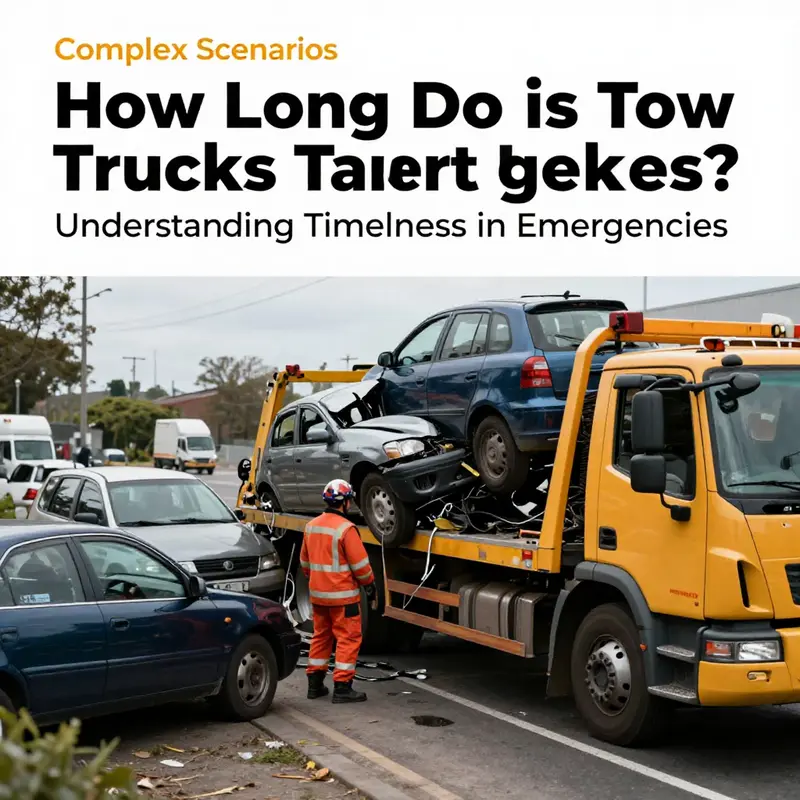
When a breakdown or crash interrupts a journey, people instinctively ask how long a tow truck will take. The honest answer is that timing is highly variable. It hinges on where you are, how heavy traffic is, what kind of vehicle needs towing, and the exact circumstances of the incident. In urban areas, where service networks are dense, dispatch centers typically promise a first-arrival window of about 15 to 30 minutes for routine roadside help. In rural or remote zones, those estimates stretch to 60 to 90 minutes or more, simply because the closest available tow trucks are further away. These numbers are not guarantees, but they provide a practical frame for planning and safety in the moment of a breakdown. The real test, however, comes after the tow truck arrives. The actual process of lifting, winching, and transporting a vehicle to a repair shop or storage facility usually adds another 10 to 20 minutes, assuming there are no obstacles like debris, rough terrain, or complicated recoveries. The clock can race or drag depending on the vehicle’s position on the road, the level of safety required, and the presence of bystanders or hazards. Even this relatively narrow window expands sharply in more complex scenarios. Multi-vehicle collisions, vehicles involved in spills, or cases requiring specialized equipment such as heavy-duty flatbeds can extend the timeline by hours. This is not merely a matter of loading a car and heading out. It often involves careful coordination with road authorities, incident command, or other recovery units to secure the scene, manage traffic, and ensure the safety of responders. In controlled environments, like airports or industrial hubs, new innovations are already changing the math. Autonomous battery-operated tow trucks, deployed in select operations, aim to optimize taxi routes, monitor battery states, and shorten idle times. They promise faster turnarounds in settings where conditions are predictable and operations are tightly choreographed. Even so, these systems are still emerging and not yet a standard feature for everyday road service. For most drivers, the wisest approach is to treat the estimated window as a range rather than a fixed moment, and to stay in regular contact with the dispatcher for updates as the situation evolves. If you want a grounded read on what’s happening in real time, contacting a local towing service directly remains the best route for the most accurate ETA. When in doubt, ask about what factors could influence the timeline in your specific case, such as weather, traffic patterns, or the presence of hazards on the roadway. This kind of proactive dialogue not only reduces anxiety but also helps you coordinate logistics, like whether you’ll need a ride home or a ride to the repair shop, and whether the vehicle should be left in a secure location or immediately towed to a designated destination. To illustrate how context matters, consider how different towing environments shape expectations. Maritime towing operations, for instance, operate under a distinct set of constraints. A knowledge base focused on boating emergencies describes tasks that can stretch into days, especially when long distances are involved or when weather and sea conditions complicate maneuvering. An example is the towing of a heavy platform across hundreds of nautical miles at a few knots, a process measured in days rather than hours. While that maritime scenario does not translate directly to land-based towing, it serves as a powerful reminder that “tow” is a broad term covering a spectrum of operations with wildly different pacing. On land, the most common emergencies still revolve around rapid response and efficient loading. A practical takeaway for drivers and passengers is to keep critical details ready for the dispatcher: the exact location, landmark references, the vehicle type and condition, any hazards at the scene, and whether the vehicle is drivable enough to move short distances or must be left in place for safety. Having a clear picture helps the dispatcher assemble the right combination of resources, whether a single light-duty tow or a coordinated response involving multiple units. Those who live in cities where traffic can be relentless may also benefit from establishing a relationship with a trusted local provider ahead of time. A simple step is to explore a nearby service with a strong on-call presence in your area and to confirm they offer 24/7 dispatch and transparent ETA estimates. If you need quick guidance on local options, consider reaching out to a nearby provider for a real-time ETA and a direct line of communication. For readers seeking a concrete entry point, you can explore a nearby service hub in Washington, DC, which often features a broad network of responders ready to dispatch with speed and care: towing service in Washington, DC. This kind of connection helps bridge the gap between the moment you realize you’re stranded and the moment you’re back on the road or safely ensconced in a recovery facility. In the end, understanding tow truck timelines is less about a single number and more about a fluid conversation with the professionals who manage the incident. It’s about recognizing that response time is a moving target, shaped by location, circumstance, and the evolving needs of safety on the scene. It’s about preparing yourself with the right information, maintaining steady communication, and knowing what questions to ask to avoid unnecessary delays. And it’s about acknowledging that while emerging technologies may shave minutes from certain operations in tightly controlled environments, the core goal remains unchanged: get you out of danger, protect you and others on the road, and move your vehicle to a secure destination as efficiently as possible. External reference: https://www.smsa.gov.cn/
Final thoughts
Timely towing services can significantly influence your response to roadside emergencies. By understanding how location impacts response time, the duration of the towing process, and the complexities in unique situations, business owners can better prepare for these inevitable circumstances. Efficient strategies and reliable towing services are essential for minimizing disruption and maintaining business continuity during vehicle breakdowns.