
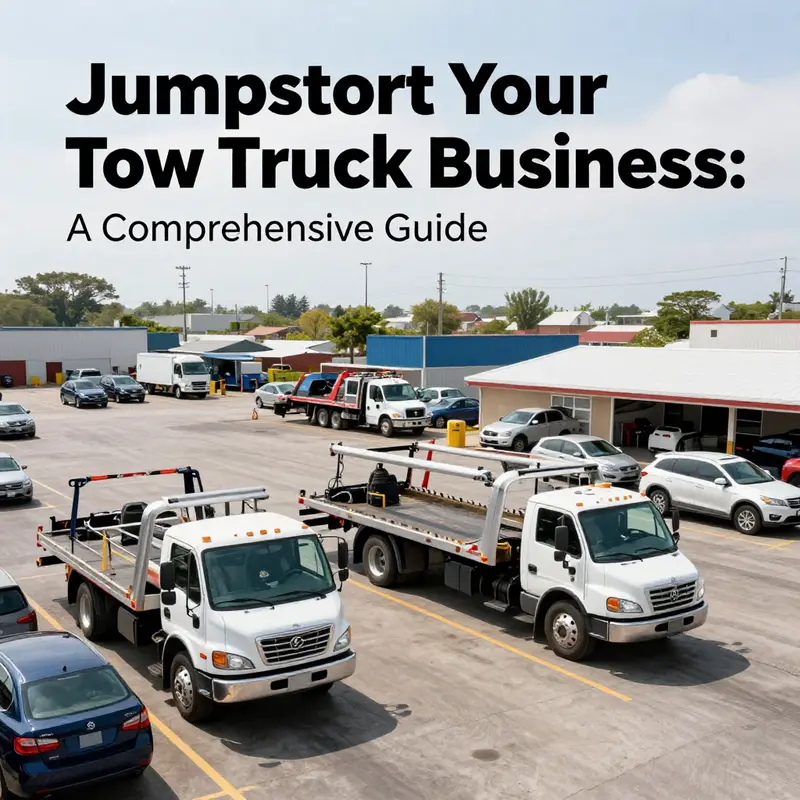
Starting a tow truck business is a rewarding venture that requires a mix of strategic planning, thorough market understanding, and adherence to legal regulations. With the rise of road traffic and the increasing need for emergency roadside assistance, entering this industry holds significant potential. This guide comprehensively explores the fundamental aspects of starting a tow truck business, including essential market research, crafting a detailed business plan, and navigating the complexities of licensing and insurance. Each chapter is designed to build on the previous one, equipping you with the knowledge to successfully launch and sustain your business in this competitive landscape.
Market Research as the First Mile: Charting the Route to a Sustainable Tow Truck Business
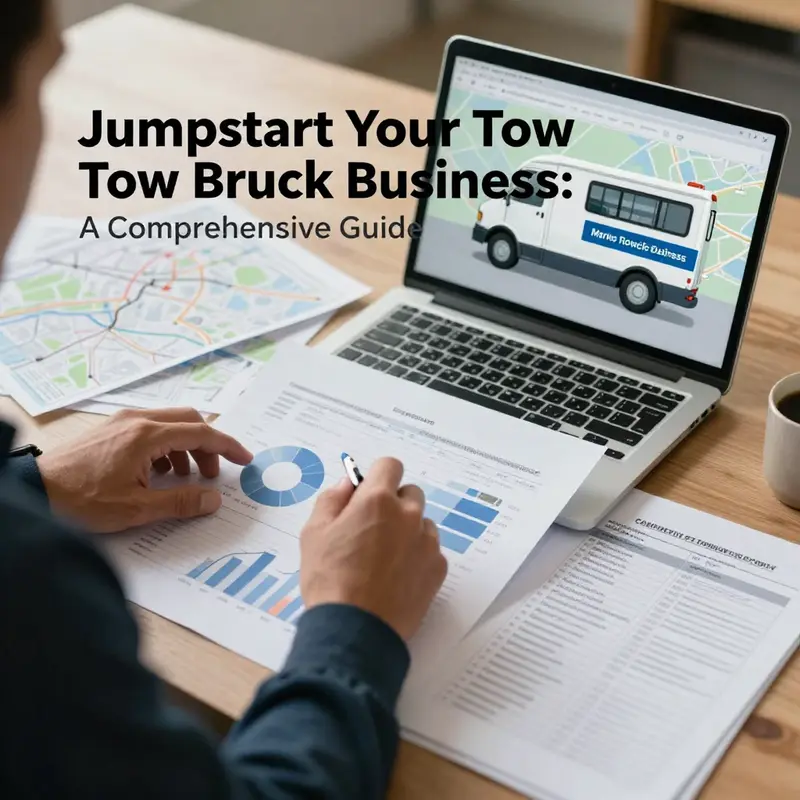
The demographics of your customer base also matter for long-term viability. Commercial fleets—delivery services, construction crews, service providers—often demand predictable scheduling, volume pricing, and dependable on-call availability. Luxury and specialty vehicles require careful handling, dispatch precision, and well-maintained equipment. Your market research should reveal which customer segments you can serve consistently and which segments you can realistically win through targeted service offerings. A smart tactic is to identify potential referral sources beyond insurers and clubs, such as local car dealerships, repair shops, and corporate fleets. Building these relationships means you can forecast predictable streams of work and begin to estimate revenue per customer, per service call, and per month. Of course, regulatory factors must inform your planning from day one. Licensing requirements, insurance mandates, and safety standards differ by jurisdiction and influence both the scale of your operation and the type of coverage you will need. The research phase should yield a clear sense of licensing timelines, bonding needs, and the minimum capital required to operate legally and safely. Skipping this step invites penalties and costly delays that can derail a fledgling enterprise before it truly begins. This is not merely a compliance hurdle; it is a foundation of credibility with customers who rely on you in emergencies and with partners who expect professionalism. The more precise your understanding of these rules, the more confidence you will have in your financial projections. Speaking of which, market research also feeds your financial model. You must estimate startup costs for the truck or trucks, equipment, licenses, and bonding, along with ongoing expenses such as fuel, maintenance, insurance, worker wages, and marketing. A break-even analysis emerges naturally from this work, showing you how many service calls you must win each week to cover costs and begin turning a profit. In emphasis, the numbers must align with the service levels you promise. If the plan is to offer rapid 24/7 roadside assistance, you will need a staffing model that matches expected demand, a dispatch system that can track real-time location and ETA, and a maintenance schedule that minimizes downtime. The market map should also influence your pricing strategy and service packages. Transparent pricing, clear invoicing, and the ability to explain charges upfront build trust and reduce disputes that erode margins. As you refine the model, keep the long view in mind: the market will evolve as new players enter, regulations change, and technology shifts what customers expect from a tow partner. Your research should therefore be an evergreen process, with quarterly updates informing whether you should adjust service offerings, expand coverage, or pivot to a more lucrative niche. The value of rigorous market research goes beyond avoiding mistakes; it positions you to strike while the market is favorable, align your fleet and staffing with genuine demand, and craft a brand that customers remember when they are stranded and stressed. For ongoing industry context and metrics that can sharpen your planning, industry insights such as those found in integrated sources offer valuable data on equipment performance, service standards, and regulatory trends. Explore further details at https://www.integratedtowtruck.com/blog/exploring-flat-bed-tow-truck-key-grades-specifications-and-performance-metrics. The work you do in this phase will ripple through every decision you make—from the truck you buy and the routes you optimize to the partners you recruit and the promises you keep on the road.
Charting the Road Ahead: Crafting a Resilient Business Plan for Your Tow Truck Venture
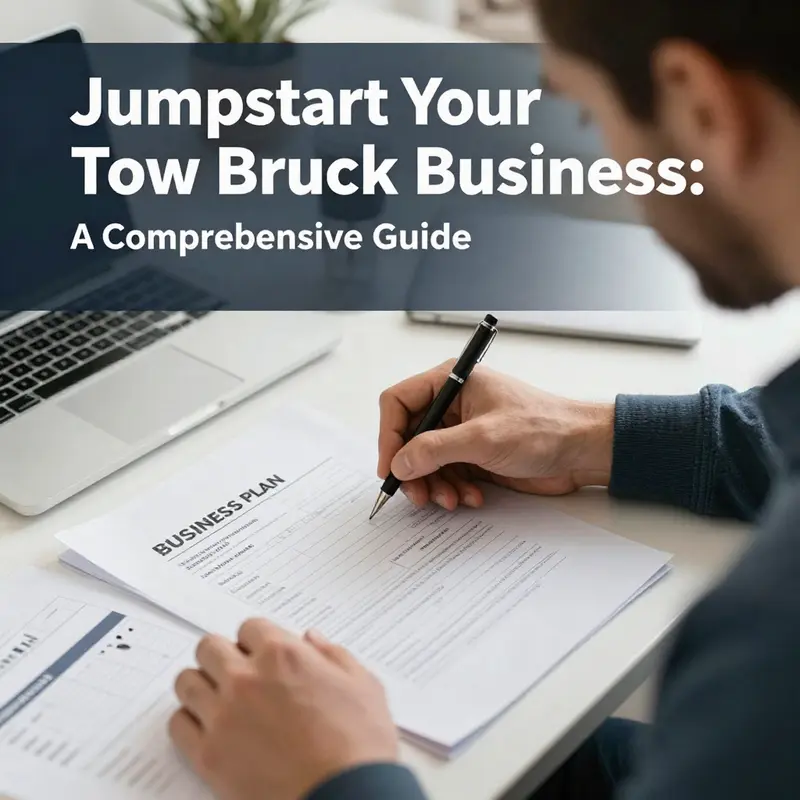
Your tow truck business begins long before the first call comes in, with a plan that acts as both map and compass. A well-crafted business plan translates ambition into a steady course, turning a risky idea into a practical operation. It clarifies who you serve, where you operate, and why you exist in the market. It also becomes the language you share with lenders, partners, and potential contractors. Think of the plan as a living document, one you revisit as conditions change—weather, traffic patterns, or regulatory shifts—so your service remains reliable even when the road is rough. In this sense, the plan is not a one-time formality but a daily guide that informs decisions about equipment, pricing, staffing, and growth.
The executive summary sets the tone and provides a concise snapshot of your entire venture. It should name the business and its location, spell out the services you intend to offer—emergency towing, roadside assistance, vehicle recovery, and perhaps specialized towing for heavy vehicles—and capture your mission in a single clear statement. Your objectives follow, anchored by measurable targets such as profitability timelines, service-area expansion, or fleet size. Even at this early stage, you’re signaling what success looks like and outlining the capital you’ll need to reach it. A compelling summary helps you stay focused when choices pull you toward short-term savings that might undermine long-term stability. If you can articulate a credible path to profitability within 18 to 24 months, you raise your odds of securing support from lenders or investors.
Moving beyond the overview, the company description explains who owns the business, how it is structured, and why it is needed in your local area. This is where you translate market reality into a rationale for your operation. Describe the entity type, registration steps, and the credentials that set you apart—licensing, bonding, and insurance, for example. Emphasize what makes your service reliable in your community—response times, 24/7 availability, or a focus on safety and customer care. A strong description anchors the plan in concrete assets and capabilities, turning abstract ambition into a viable enterprise you can build on.
Market analysis follows as the backbone of your plan. It requires honest eyes on the landscape: who needs towing, when, and why. Identify your primary customers—private vehicle owners, auto dealers, rental fleets, or municipal contracts—and assess demand in your service area. Consider how many competitors already operate, what services they offer, and where gaps exist. Look for opportunities to differentiate, such as faster dispatch, more transparent pricing, or niche capabilities like heavy-duty recovery or long-distance towing. Data from transportation statistics and local business reports can ground your projections, but so can practical insight from talking to garages, insurers, and roadside clubs. Acknowledge trends in traffic, urban growth, and weather that influence demand. To illustrate a practical path, you might reference a nearby example of a service provider, such as a local towing operation in Alexandria, VA, summarized in the plan as a comparative benchmark for service scope and response structure. For local context and a concrete model, consider the relevant example of a towing service in Alexandria, VA.
The services and operations plan translates your plan into day-to-day reality. List every service you will provide, from standard towing to winching, jump-starts, lockouts, and fuel delivery, and describe how each will be delivered. Outline your dispatch workflow—how calls come in, how they’re assigned, and what the typical response time will be. Detail fleet requirements: how many trucks, what types (flatbed, wheel-lift, or specialty units), maintenance schedules, and licensing. Include insurance coverage and bonding to reassure lenders and clients that you can weather accidents or disputes. This section becomes your operations Bible, guiding procurement, training, and equipment maintenance while ensuring consistency across shifts and crews.
A robust marketing and sales strategy follows, designed to attract customers and build lasting relationships. Branding matters. A professional presence—logo, vehicle wraps, clean signage, and a user-friendly website—sends a message about reliability. Your plan should describe how you will reach customers online and offline: local search optimization, listings on essential directories, and a mix of digital advertising and community partnerships. Partnerships with auto repair shops, insurance providers, and fleet managers can deliver steady referrals, while customer retention hinges on transparent pricing, timely updates, and courteous service. The plan should set realistic targets for lead generation, conversion, and repeat business, and it should describe how you will measure satisfaction and respond to feedback. Financial discipline threads through every marketing choice, ensuring you invest in channels with clear returns rather than vanity metrics.
The financial plan is often the most daunting and most decisive part of the document. It lays out startup costs, ongoing expenses, and revenue projections based on plausible activity levels. Expect to estimate truck purchase or lease costs, insurance, licensing, and the tools you need on day one. Ongoing expenses include fuel, maintenance, payroll, facilities, and software for dispatch and invoicing. Revenue projections should consider average job value and the estimated number of calls per day, adjusted for seasonality. A break-even analysis helps you understand the minimum workload required for profitability, guiding pricing strategy and hiring decisions. If you anticipate needing external funding, the plan must specify the amount and how it will be used, with a clear repayment or ROI path.
Finally, an implementation timeline crystallizes the journey into milestones. Start with the essentials: registration, licenses, first truck, and insurance. Then move to the website, advertising, and client acquisition. In the plan, map out a staged expansion: when to add drivers or trucks, when to pursue municipal or fleet contracts, and how to introduce new services. This timeline keeps momentum while allowing room for adjustments based on performance and market shifts. The whole document should stay flexible, emphasizing reliability and reputation as core assets. After all, in a service business built on trust, a well-executed plan is your most valuable towing companion. For additional guidance, see the broader framework provided by reputable sources such as the Small Business Administration’s guidance on writing a business plan, which helps structure this blueprint and connect it to practical actions across every chapter of your plan.
External resource: For further guidance on building the plan, consult the SBA’s detailed process at https://www.sba.gov/business-guide/plan-your-business/write-your-business-plan
Licensing the Road: Navigating Western Australia’s Tow Truck Rules, Bonds, and Insurance
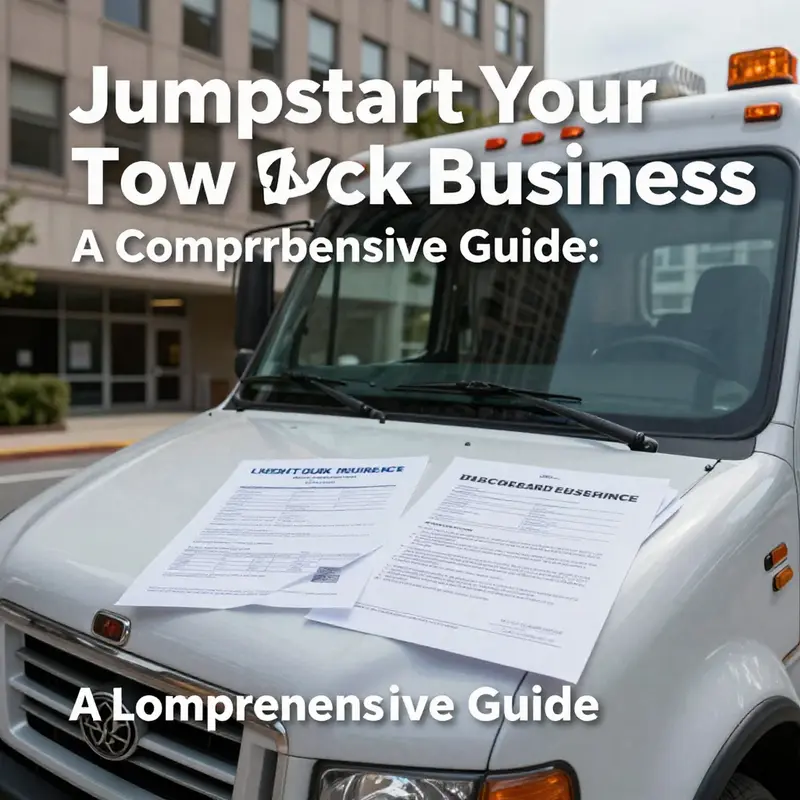
Starting a tow truck business in Western Australia hinges on a clear path through licensing and insurance. This isn’t merely bureaucratic color; it determines who can operate, where you can work, and how you will be protected if a vehicle is damaged or a client disputes a charge. The process is designed to ensure that operators meet minimum safety and financial standards before you answer a single call. The journey begins with registering as a Registered Tow Truck Operator (RTTO). The application asks for basic business information, the vehicles you intend to use, and proof that you can meet ongoing obligations. A bond of $5,000 must be posted as part of the application, and you will need to provide proof of insurance. The bond serves as a customer protection fund and signals seriousness about reliability and accountability. This financial checkpoint is not optional; it anchors your ability to cover potential customer claims and ensures you have funding in reserve as you scale.
Before a tow truck can be licensed for road use, it must pass a roadworthiness inspection at the Kelmscott Vehicle Inspection Centre, unless an exemption applies—for example, regional operators may qualify for different arrangements. The inspection confirms compliance with WA’s technical standards. Inspectors look at lifting devices, securing equipment, cleanup gear, and vehicle signage. If all checks are satisfied, the operator receives a Certificate of Inspection. This certificate is not a one-time stamp; it marks ongoing responsibility to maintain the vehicle’s safety features, securing methods, and visibility on the road. The inspection step also signals to customers and law enforcement that your fleet adheres to established practices and performs reliably under demanding conditions.
With the Certificate of Inspection, you submit the Application to License a Vehicle (Form VL17) and attach the Certificate of Inspection. You must also provide valid identification: one primary form and one secondary form. If you are registering the vehicle under a company name or you do not hold a WA driver’s license, additional forms may be required, and the licensing process can take extra time. These steps are not just paperwork; they determine exactly how your fleet appears to customers and police, how you can bill for services, and what penalties apply if standards slip. The administrative framework is designed to reduce disputes and ensure accountability in a field where you interact with vulnerable motorists and high-stakes recoveries. The better you align with these requirements from the outset, the smoother your growth will feel in your first year of operations.
WA standards cover lifting requirements, securing devices, signage, and on-truck equipment. A clean, well-marked vehicle reduces risk in accidents and reassures customers that the operator is professional and regulated. Missing signage or defective lifting gear can stop you from licensing or can lead to recalls or penalties later on. The roadworthiness test is not a one-off hurdle; it signals ongoing compliance as your fleet grows. Keeping meticulous records of inspections, maintenance, and any repairs helps sustain this compliance and protects you in audits or disputes with customers.
Insurance is more than a policy name. You will need proof of insurance as part of the RTTO application, and once licensed, coverage should extend to your entire operation, including drivers, equipment, and cargo in transit. The exact levels and exclusions depend on the scope of your services and the regulator’s requirements. Given the potential for expensive collisions or damage during recovery, comprehensive commercial auto insurance with adequate liability limits is essential to protect your business and your customers. You should also consider indemnity in cases of driver error, on-scene damage, or environmental incidents, and verify that your coverage remains active across all shifts and vehicles. A robust insurance plan supports operational continuity, increases customer trust, and reduces personal financial exposure should a claim arise.
The licensing steps are not merely administrative; they shape your cost structure, your service offerings, and your ability to compete for work. Bonding, inspections, licensing fees, and insurance premiums become part of your startup budget, and they should be reflected in your business plan from day one. Planning around these obligations helps you forecast cash flow, set appropriate service prices, and avoid mid-course disruptions when you first start taking calls. As you prepare to launch, you’ll want to align your fleet, your drivers, and your customer service approach with the expectations set by regulators and insurers. That alignment strengthens your reputation from the moment you answer your first dispatch and supports sustainable growth as urban, regional, or industrial demand expands.
If you’re mapping out your online presence and client communications, consider guiding potential customers to a nearby example of compliant service to illustrate what professionalism looks like in practice. For a sense of how a well-presented tow-truck service communicates its capabilities and availability, you can explore our Washington DC service page as a reference point: Tow Truck Service in Washington DC.
Finally, stay current with official guidelines as requirements can change. For official, up-to-date information on licensing a tow truck in WA, consult Transport WA’s guidance and forms. You’ll find the detailed steps, fees, and submission processes there to ensure you’re following the latest rules. External resource: https://www.transport.wa.gov.au/vehicle-and-licence-services/vehicle-licensing/license-a-tow-truck.html
Final thoughts
Launching a tow truck business requires a blend of knowledge, investment, and determination. Through meticulous market research, a detailed business plan, and understanding licensing and insurance requirements, aspiring business owners can establish a strong foundation. The towing industry presents a unique opportunity to serve communities while building a profitable enterprise. With the insights provided in this guide, you’re now equipped to navigate the challenges and seize the opportunities that lie ahead in your tow truck business journey.