
Understanding whether to tip a tow truck driver is a nuanced topic for business owners. Factors like service quality, regional customs, and individual preferences all play a role in the decision-making process. This article delves into these aspects. The first chapter explores standard tipping practices within the towing industry, highlighting when gratuity is customary. The second chapter discusses scenarios where exceptional service warrants a tip, ensuring appreciation for those going above and beyond. Finally, regional differences and personal preferences are examined, providing a comprehensive view on how business owners can approach this situation with clarity and best practices.
null
null
Beyond the Tow Charge: When Exceptional Service Deserves a Gratuity

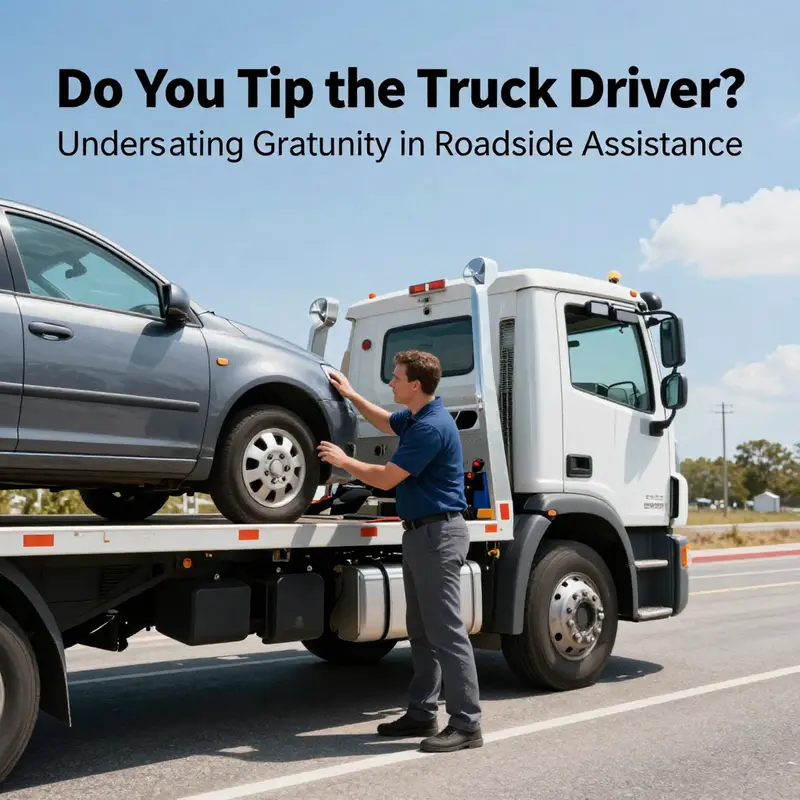
A tow arrives with the urgency of a rainstorm finally breaking. The scene is simple: a stranded driver, a stalled vehicle, and a dial tone that promises help. Yet the question that lingers in the air is not just about payment. Do you tip the tow truck driver, and if so, when does gratuity feel like a genuine gesture rather than an obligation tucked into the final receipt? The answer is not a universal yes or no, but a sense of timing and fairness. In many cases, the fee you sign for at the desk already covers the driver’s labor, the truck’s use, and the dispatch overhead. In that sense, tipping is not a standard expectation. It is a discretionary nod, reserved for moments when service rises above the routine.
Consider the practical logic behind tipping in this line of work. The tow industry, like many service sectors, relies on transparent pricing and clear communication. When a driver shows up quickly during an emergency, handles a vehicle with care, and maintains composure in a stressful situation, those qualities deserve recognition. If the driver communicates what they are doing, why they are choosing a particular route, or how to stay safe around a vehicle and traffic, that clear guidance adds value in a crisis. Likewise, actions that go beyond the call of duty—staging the vehicle in a safer position, coordinating with the dispatcher to minimize additional delays, or offering practical help that falls outside the standard scope (such as retrieving a stubborn car from a tight spot or providing water on a hot day)—tend to push gratuity from optional to thoughtful.
The guidance around tipping in the towing world is intentionally individualized. While some private operators may accept tips or even appreciate a cash gratuity, others may have policies that discourage tipping or prefer fee-based compensation without additional gratuity. This is not a rigid rule; it reflects regional norms and company policies as much as personal preference. A quick, respectful step—calling ahead to ask whether tips are welcome or appropriate—helps prevent awkward moments at the curb and aligns expectations before the service begins. In many ways, the choice to tip hinges on the driver’s demeanor and the service’s outcome more than on the nature of the job itself.
If you decide a tip is warranted, a practical range tends to be modest, typically around $10 to $20. The exact amount should reflect the complexity of the task and the quality of the experience. A simple jump-start in good weather with straightforward handling may justify a smaller gesture, while a complex recovery, a difficult winch operation, or a situation involving safety concerns could merit the higher end of the range. Some drivers may value a tip more than the actual service payment, especially when they work for smaller outfits or are paid hourly. The gesture is less about the currency and more about acknowledging exceptional effort, professionalism, and care.
How you hand over the gratuity matters as well. Cash remains a convenient option, especially when the driver is paid hourly or operates independently. If you prefer to avoid pocket change or need a receipt, you can ask the company about accepted forms of tips before the process begins. In any case, the tip should be a separate act from the payment for the tow service; it signals appreciation rather than a negotiated discount. And if you do tip, consider accompanying it with a brief but sincere note of thanks. A few words about what stood out—such as the driver’s calm communication, careful vehicle handling, or readiness to assist with extra tasks—can reinforce the impact of the gesture.
For readers navigating regional variations, a reliable touchstone is to remember that tipping is about gratitude, not obligation. The most responsible approach is to respect the company’s policy and the driver’s preferences, while staying attuned to the context of the service. If the situation feels routine and the driver performs as expected, tipping is not necessary. If, however, the driver exceeds expectations in meaningful ways, a tip serves as a tangible sign of appreciation that can brighten a stressful moment and reinforce a culture of service that values going the extra mile. In many communities, this grace note helps humanize a necessary service and acknowledges the hard work that keeps roads moving under pressure.
Tow Truck Etiquette Across Regions: Reading Cues, Respect, and When to Tip
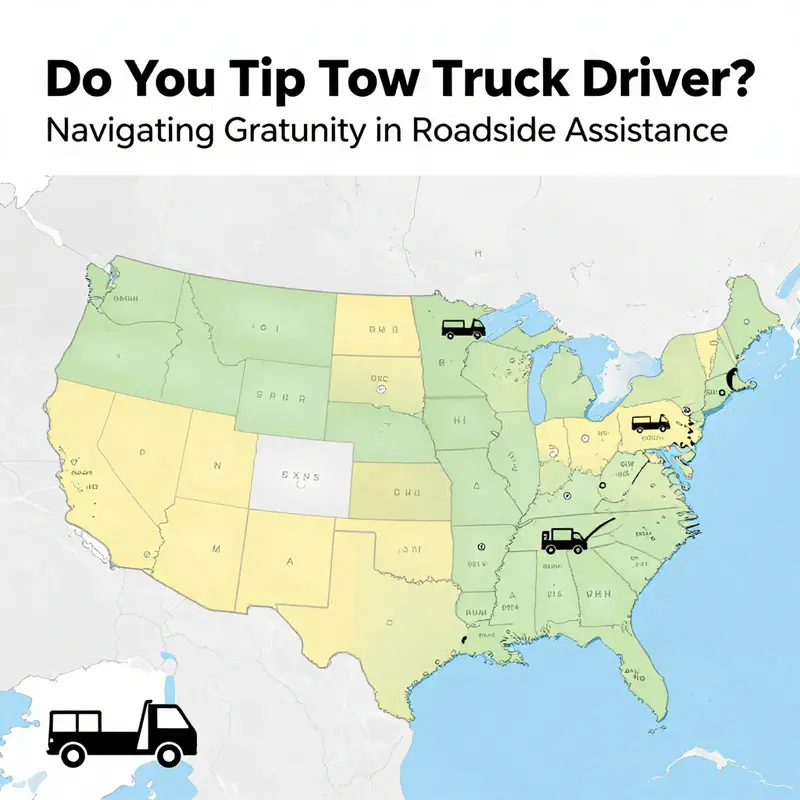
Tow truck etiquette in the tipping space is best learned by reading cues and respecting local norms. Tipping is not a universal expectation; it remains a voluntary gesture of appreciation for service quality. The decision to tip should hinge on the task complexity, the driver’s communication, and how smoothly the situation was handled. In short, tip when you feel the extra effort was genuinely valuable, and skip it when it would feel inappropriate.
Regional differences shape how people approach tipping. In urban centers with strong service traditions, a tip is often seen as a natural acknowledgment for prompt arrival, professional conduct, and careful handling. In other regions, the stated towing fee is viewed as the full compensation, and tipping may feel optional or discouraged if a company wants to keep transactions simple. These patterns are not universal laws, but they guide expectations at the moment of need.
Personal preference matters. Some drivers appreciate a small token when the service is reassuring or efficient under stress. A common informal range is about 5 to 20 dollars, depending on the effort and risk involved. Most towing companies do not rely on tips as part of compensation, and tipping should never be tied to the minimum service level. If you are unsure, treat tipping as discretionary.
Defining exceptional service includes more than speed. Clear explanations of charges, honest assessment of the plan, safety, and flexibility to handle unusual situations matter. When a vehicle is stuck in a tight spot or a roadside repair requires careful maneuvering, a driver who communicates plans and timelines earns appreciation beyond the base fare. However, if the driver is late or the service is merely adequate, a tip may feel unnecessary.
Your local provider matters. Some operators encourage tips; others discourage in an effort to maintain price transparency. When in doubt, ask politely whether tips are welcome and whether cash or digital methods are preferred. Regardless, a tip should be voluntary and should not affect the availability or quality of service.
Thinking regionally, observe how others in your area handle similar situations and seek guidance from a trusted local mechanic or roadside assistance professional. If you must compare, avoid importing norms from faraway places; instead, consider the norms of the city or region where the service occurs.
Bottom line: tipping is a personal choice shaped by circumstance. The safest approach is to tip only when service excellence truly justifies it and to do so in a way that feels respectful to the driver and the company. If you explain what you are tipping for, acknowledge the driver’s skill, and avoid pressuring a decision, tipping becomes a gesture of genuine appreciation rather than an obligation.
Final thoughts
Knowing when and how much to tip a tow truck driver can reflect appreciation for excellent service, especially during stressful situations. Standard practices indicate that tipping is not expected, but extraordinary efforts by a driver may warrant a appreciative gesture. With regional variances informing customary practices, business owners are encouraged to consider the overall service quality, balancing personal values and customer expectations when deciding on gratuity. By understanding these nuances, business owners can foster goodwill and support their customers in distress.