
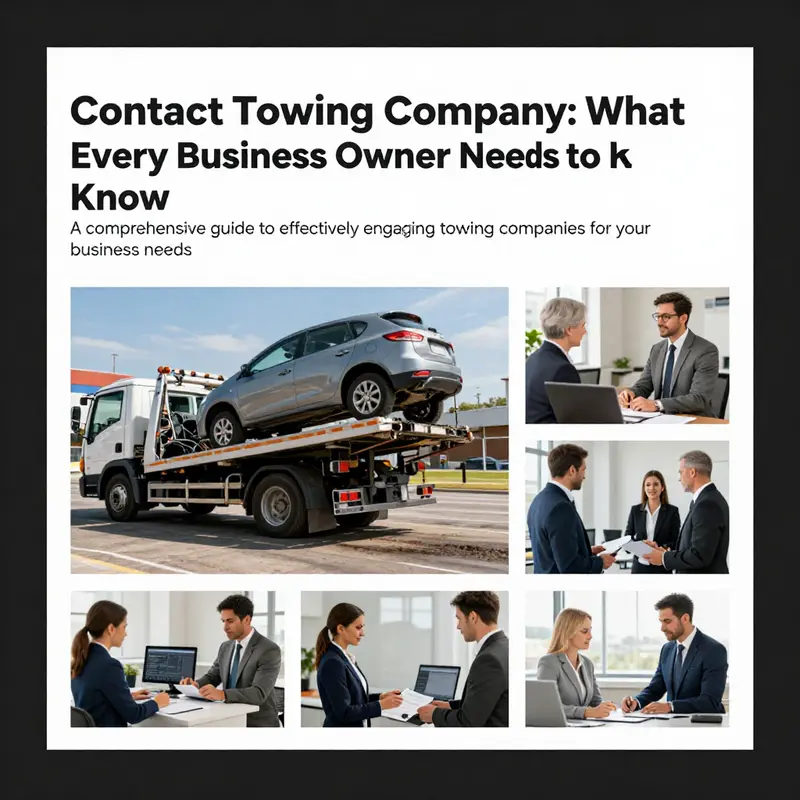
For business owners, understanding the process of contacting a towing company is vital for ensuring the efficiency of operations and resolving vehicular issues promptly. Whether dealing with abandoned vehicles, emergencies, or regular parking management, knowing how to engage a towing service can save time and resources. In this guide, we’ll delve into essential information and actionable steps for contacting a towing company, explore legal considerations and local regulations that govern towing services, and provide insights on verifying the legitimacy and service quality of potential towing partners. Each chapter will equip you with the necessary knowledge to navigate this important aspect of business management with confidence.
Contact Towing Company: How to Gather Details, Choose the Right Tow, and Stay Safe
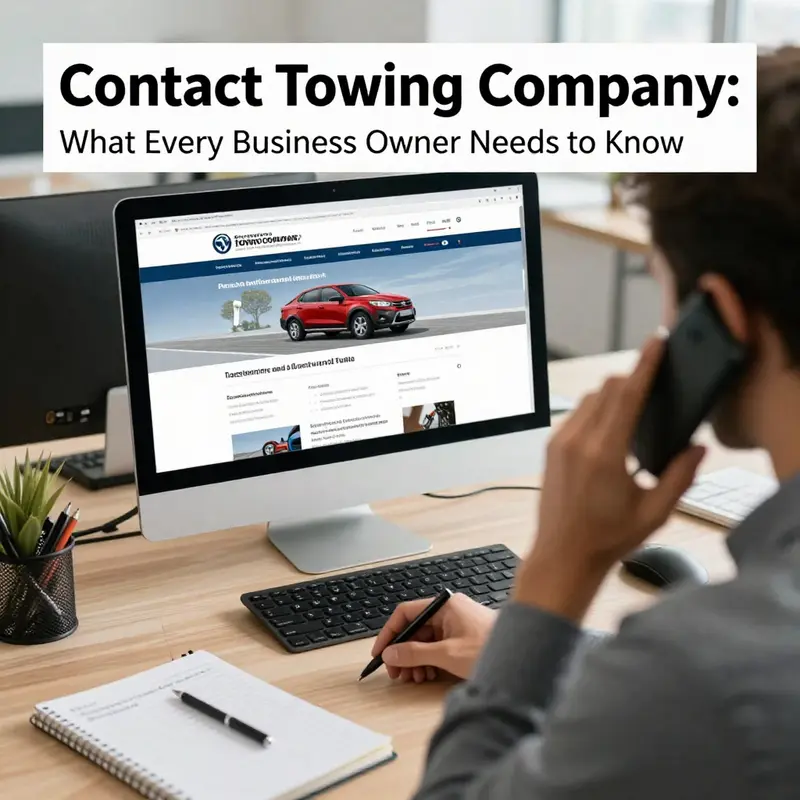
On a highway shoulder or a quiet street after a fender bender, the moment you realize you need a tow can feel overwhelming. The car is still there, the clock is ticking, and every second counts for safety and cost. The backbone of a smooth tow is not just the truck that arrives but the information you provide and the choices you make before the truck pulls away. The core idea is to identify your specific needs: what kind of tow you require, how far the tow will go, and whether there are any special considerations like protecting a valuable load or handling hazardous materials. This nuance matters because different situations call for different equipment. For a severely damaged vehicle, a flatbed may protect the frame from further harm; for a vehicle that can still run but must be moved from a busy lane, a wheel-lift may suffice. Knowing these distinctions helps the dispatcher pick the right rig and reduces the chance of delays or extra fees.
The first action is to call a reputable local towing service. In many parts of the United States the dispatcher will ask for your location, the nature of the problem, and a few basic details. Before you dial, gather essential information and then speak clearly and calmly. You can describe your situation in a way that makes it easy to assign the correct equipment. You should give your exact location with street name, cross streets, and any landmarks. Clearly describe the vehicle—make, model, year, and color. State whether the car is running, whether it is blocked, or if it is on the side of the road. Note any immediate safety concerns, such as fluid leaks, downed power lines, or children or pets nearby. Dispatchers use these details to determine whether a wheel-lift, a tilt bed, or a heavier recovery unit is needed, as well as whether a dolly or wheel straps will be required.
In practice you may reach a provider serving a broad region. The contact details you use matter, and you should verify the company’s licensing and insurance before you commit. Licensure confirms that the business operates under state or local oversight and that its operators carry the required coverage if damage occurs during the tow. Insurance is not a formality; it protects you from unintended costs and shifts some risk away from you as the customer. It is equally prudent to check whether your auto insurance or roadside assistance plan includes towing. Some policies cover certain towing distances or allow for reimbursement after the fact, which can change the overall cost picture. If you want to compare options beyond a single call, a quick online review of a reputable provider’s site can furnish service scope, response times, and customer feedback. For context, regional examples reflect common practice: you might find 24/7 dispatch, clear upfront pricing, and a straightforward process described on a local service site. For readers curious to see how a typical regional operation frames its coverage, explore one city’s towing landscape through a provider such as Washington DC towing. That link illustrates how a local team frames its service footprint, vehicle handling options, and safety standards in a real-world context.
While you wait, safety remains paramount. Move to a safe location if possible, turn on hazard lights, and place warning devices such as triangles or flares if you have them. Keep a safe distance from traffic and avoid approaching the tow truck until the operator signals it is safe. If the incident involves other vehicles or injuries, contact local law enforcement and follow their instructions. Once the tow arrives, the driver will perform a quick assessment, confirm the destination, and secure the vehicle. Take photos of the vehicle’s condition before it is loaded, if you can do so safely; this documentation helps with any post-tow questions about damage. Request a written estimate or a receipt that itemizes the charges, especially if you expect to need multiple services or if you are using third-party insurance coverage. Upfront communication about the expected cost can prevent sticker shock and help you compare options.
The process ends with a clear agreement on where the vehicle will be taken and how you will be billed. A reputable operator will explain the destination, confirm the price range for the tow, and provide a point of contact for follow-up questions. If you are in a location with a central motorist assistance program or a municipal towing system, follow any posted directions for releasing your vehicle and completing the handoff. By following these steps and relying on credible sources, you can turn a stressful moment into a managed sequence that minimizes delay, avoids unnecessary fees, and keeps everyone safe. In the broader context of transport and roadside support, this approach is reusable, whether you are dealing with a roadside breakdown on a major highway or a quiet curb in a suburban street.
External resource: https://contracttow.com
Contact Towing Company: Navigating Legal Boundaries and Local Rules with Confidence
When a breakdown, accident, or sudden immobilization occurs, the impulse to reach out for help is immediate. Yet behind the prompt call for a tow lies a landscape of laws and local regulations designed to protect you, the vehicle owner, and the people who operate in the field. A towing incident is not merely a matter of getting your car back on the road; it is a moment when accountability, proper documentation, and transparent communication come into play. Understanding these legal boundaries helps you avoid surprises, such as unexpected charges, disputed tow destinations, or unclear ownership claims. It also guides you in choosing a provider whose practices align with public safety standards and your rights as a consumer. In practical terms, this means recognizing what information should travel with the tow and what disclosures you should demand from the service you hire. The core objective is simple: ensure that the process is traceable, fair, and enforceable, so that disputes can be resolved efficiently and without unnecessary friction. A local provider, such as a nearby tow service, can be a good starting point for understanding how these expectations translate into everyday practice. For instance, a local Arlington towing page demonstrates how such operators present contact details, licensing information, and the steps they take to verify a caller’s request. This kind of transparency is the baseline you should expect when contacting a towing company. Before you pick up the phone, it’s useful to mentally map the information that is typically required by law and by good consumer practice. In many jurisdictions, the individuals involved in a towing incident—whether the vehicle owner, the operator, or the tow truck driver—are required to provide an address that is their home address, including street and number. This requirement, while sometimes overlooked in the heat of the moment, is intended to verify identity and establish a clear point of contact should there be any dispute or violation later on. It also supports regulatory oversight by making it possible to cross-check records if a vehicle is delayed, damaged, or misdirected. In addition to address information, towing companies are generally expected to disclose essential details about the incident. A clear statement of the vehicle’s location at the time of tow, the name and physical address of the towing business, and the contact number for follow-up questions are part of the standard disclosures that help the customer understand who is handling the vehicle and where it is being transported. When a company provides these details, it reinforces accountability and makes it easier to obtain receipts, authorization letters, or ownership proof if a dispute arises. The logic behind these requirements is straightforward: the more information you have in writing, the less room there is for miscommunication and the easier it becomes to trace responsibility in case of damage or mispayment. Although the precise rules vary from one jurisdiction to another, there are authoritative touchstones that guide many municipalities and states. One widely cited example is New York City Local Law 103 of 2018, which imposes strict reporting requirements on tow truck owners and operators. It underscores the importance of documenting addresses and operational details, reinforcing a framework that prioritizes public safety, consumer protection, and orderly record-keeping. For readers seeking to explore the regulatory language directly, the law offers a concrete reference point: https://www.nyc.gov/html/law/html/acts/2018/2018-103.shtml. While the NYC framework is specific to its city, it reflects a broader pattern in which regulators emphasize traceability, proper authorization, and transparent communication throughout the tow process. In practice, this translates to actionable steps you can take the next time you need a tow. If you’re on private property or a public street, request written confirmation of who is dispatching the tow, the intended destination, and the estimated charges. Ask for the tow receipt before you sign any release or authorize payment. If a driver attempts to pressure you into immediate payment or to sign forms without sufficient explanation, pause and ask for written details you can review later. A legitimate operator should be able to provide a clear, itemized estimate that includes the tow rate, any storage fees, the location of the destination, and the time the vehicle was towed. In many regions, this level of documentation is not optional; it is a legal baseline that protects both parties. When you call a local provider, you can also take a practical, proactive step: verify the operator’s legitimacy before the tow begins. This can involve confirming the licensing status with relevant local authorities, checking for a physical business address, and asking for a service agreement or written quote that outlines the terms of the tow and any storage arrangements. If you are uncertain about the company’s credentials, seek a reference from trusted sources or consider contacting your insurer or vehicle club for recommendations. The goal is not merely to obtain rapid service but to ensure that the service is performed within a framework built on accountability and clarity. In the spirit of accessible, consumer-centered practice, it makes sense to approach each tow as a two-way verification: you confirm the operator’s information and, in turn, the operator confirms yours. This reciprocal diligence reduces conflict and fosters a smoother resolution should questions arise about location, timing, or cost. Ultimately, the legal considerations surrounding tow services are there to uphold safety, fairness, and transparency in a moment of stress. By staying informed, asking for written details, and favoring providers who openly share licensing and address information, you safeguard your property and set a constructive tone for the entire process. For readers who want a concrete example of how a local operator presents these details, consider looking up Arlington towing resources as a model of transparent practice. And for a deeper dive into regulation, the NYC Local Law 103 of 2018 remains a robust reference point for understanding the expectations governing tow operators and their documentation. For authoritative detail, see New York City Local Law 103 of 2018: https://www.nyc.gov/html/law/html/acts/2018/2018-103.shtml.
Contact Towing Company: Verifying Legitimacy and Service Quality
When you suddenly need a tow or roadside help, the moment can feel like a discrete crisis. A number on the screen becomes a lifeline, but the choice of provider shapes the safety of your vehicle and your finances long after the call ends. The goal in that moment is not speed alone but a careful, quiet assessment of legitimacy and quality that keeps you from scams, damaged property, or surprise fees. In practice, this means moving beyond the urge to hurry and instead asking the right questions, so you connect with a local operator you can trust through the entire process of pickup, transport, and delivery.
First comes credentials. A legitimate local towing operator will hold a state license or registration where required, plus a business license. They should be able to show proof of insurance for liability and cargo before you agree to service. Ask to see these documents, and verify them with the issuing agency if you have any doubt. The credibility of the operation can hinge on the paperwork behind the scenes, not just the promise spoken over the phone. If a company hesitates or avoids providing documentation, that hesitation is a warning sign you should heed. In a regulated market, the paperwork is your first line of defense and your quickest way to separate reputable services from the rest.
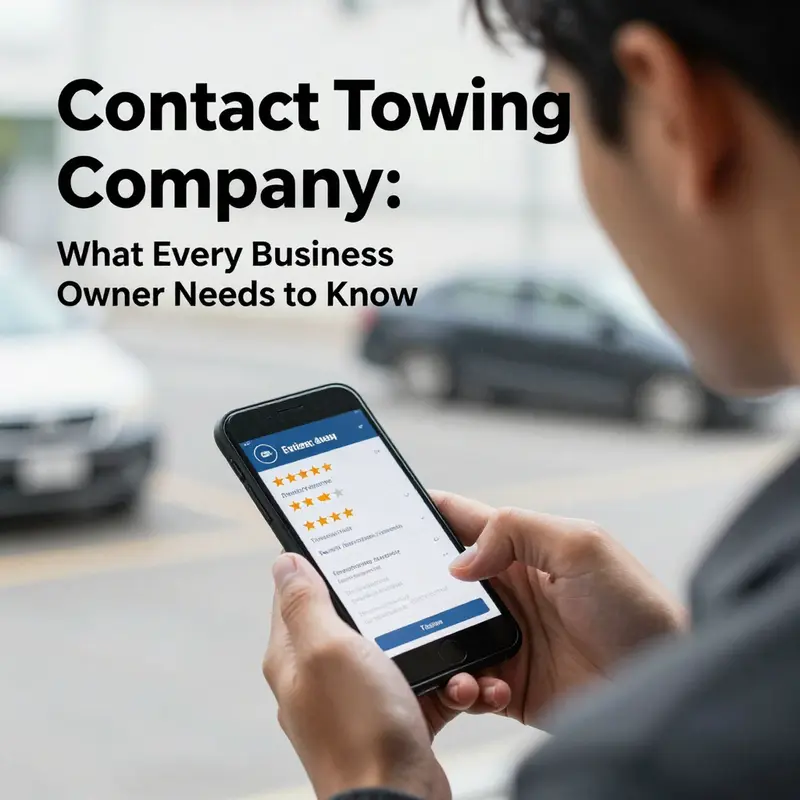
Next is reputation. A quick scan of online ratings and the Better Business Bureau can reveal patterns. Consistently punctual arrivals, courteous service, careful handling of vehicles, and transparent billing are the signals of a trustworthy partner. Certifications from professional associations signal adherence to standard practices and ongoing training. A towing company that maintains its standards over time tends to perform more reliably when you need it most. Look for responses to complaints as well as praise, because how a company handles criticism often shows how it handles pressure on a busy night or during a difficult transport scenario. These signals are not a guarantee, but they are reliable indicators of ongoing professionalism.
Communication and transparency matter as much as speed. A legitimate service will provide a written estimate before work begins, outlining the base charge, mileage, storage if any, and expected fees for additional tasks. Hidden charges appear when there is no quote or when a company insists on a higher price without explanation. Real time updates are a sign of a modern operation. Some players in the logistics space use tracking platforms or SMS updates to keep customers informed about ETA and progress along the route. These features create peace of mind as the vehicle moves from pickup to destination. When in doubt, request a copy of the estimate in writing and confirm the terms before any lift or tow occurs. This small step can prevent a long dispute later.
Equipment and expertise are a practical test you can observe. Modern towing fleets use flatbed trucks when possible, especially for newer or lower clearance vehicles, to minimize the risk of damage. Ask what type of equipment will be used for your vehicle and why. Reputable operators hire staff trained to handle a range of vehicle types, from compact cars to hybrids and full size trucks, and to manage special situations such as electric vehicles where disconnecting a high voltage system or monitoring battery status may be necessary. The right crew understands not only the mechanics of towing but the physics of securing a vehicle so it does not shift during transit. If a dispatcher cannot explain why a certain method or piece of equipment is chosen, a red flag should go up. A thoughtful answer demonstrates both expertise and care for the client’s investment.
Insurance and liability cover the risk that can accompany any roadside service. The company should carry cargo coverage to protect your vehicle in the unlikely event of damage during transport. A six figure coverage level is typical for many legitimate operators, reflecting the value of most cars and SUVs. If damage occurs due to carrier negligence, you should experience a swift claims process and fair remediation. Clarify who handles claims, how long reimbursements take, and what the process looks like if there is a dispute. This dialogue protects you before the tow begins and again if you ever need to make a claim after the job is done. The presence of stable coverage is not a guarantee of perfection, but it is a crucial safeguard that elevates a service from average to dependable.
In practice, the best approach is to treat the situation with both pragmatism and due diligence. In a pinch you want a nearby, licensed, and insured provider who communicates clearly and up front about price. Take a moment to request the written estimate, confirm the vehicle is insured, and ask for details about equipment and drivers. If something feels off, hang up and call another local operator; you can still get help quickly by asking for a quick verification call to the dispatcher. For readers who want to explore a concrete example of how local options present themselves and vary by city, see the Washington DC towing services page for a model of regional service models and pricing expectations. Washington DC towing services.
Beyond the surface, consider how a provider handles tracking and transparency. The industry trend is toward real time updates, mobile-friendly status checks, and efficient communication channels that reduce anxiety and disputed charges. In the background, industry standards organizations and regulatory bodies set benchmarks for training, equipment maintenance, and liability that legitimate operators must meet and renew over time. The cumulative effect is a safer experience for customers who demand accountability and care for their vehicles. A practical takeaway is to prepare a simple set of questions in advance and to carry a copy of the estimate and documents until the job completes.
As you prepare for the eventuality of needing service, keep this framework in mind. Valid licensing and registration, credible insurance, a solid reputational track record, transparent pricing, appropriate equipment, and robust liability coverage together form a shield against the murkier corners of the market. When you encounter a tow provider that checks those boxes, you reduce risk and gain peace of mind. For readers interested in a broader picture of how large scale transport providers aim to maintain transparency and service quality, a reference from a leading logistics firm highlights live tracking and prompt response as core features of trusted operations. External resource: https://www.huaxiatong.com/.
Final thoughts
In conclusion, effective communication with a towing company is an integral component of managing a business that relies on vehicle use. By understanding essential information and steps, being cognizant of the relevant legal considerations, and verifying the quality of service, business owners can make informed decisions that ensure smooth operations. The towing process, though seemingly straightforward, can have significant implications for your business’s logistics and performance. Therefore, approach it with diligence and foresight, and you’ll reap the benefits of swift and efficient towing solutions.