
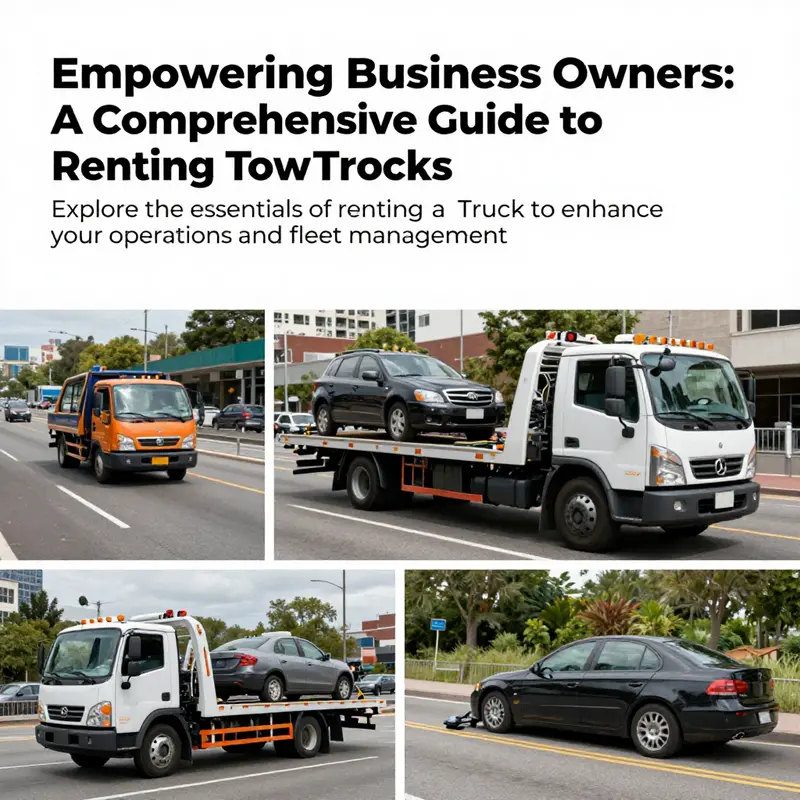
For many business owners, having the right tools for the job is key to operational success. One often-overlooked resource is the tow truck, a versatile vehicle that can play a crucial role in various scenarios. Whether you are looking to manage a fleet, provide emergency roadside assistance, or assist customers with vehicle transport, understanding the ins and outs of renting a tow truck is vital. In the chapters that follow, we will delve into practical guidelines on renting tow trucks, followed by a detailed overview of the costs and contracts involved. Together, these insights aim to equip you with the knowledge necessary to make informed decisions that can bolster your business operations.
Tow Trucks on Demand: Navigating Rentals, Licensing, and Liability
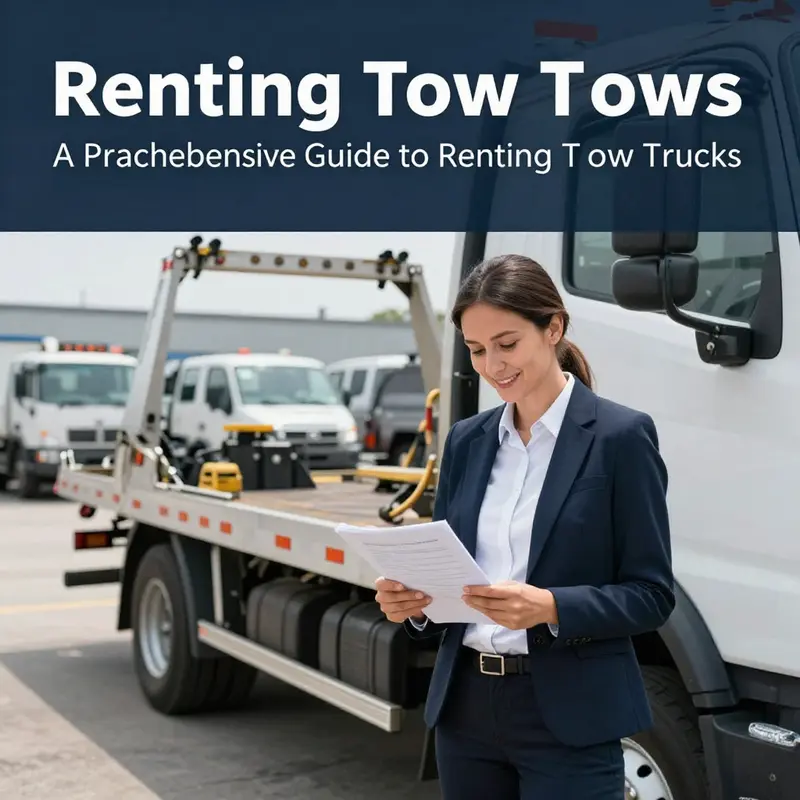
Tow trucks often evoke the image of roadside rescues and fleet operations, but the reality is broader. If you’re facing a one-time move, a tight deadline, or a professional recovery task, renting a tow truck can be a practical option. It is not as common as renting a passenger car or a pickup, yet reputable rental networks and equipment specialists do offer heavy-duty options for commercial use, fleet maintenance, or short-term projects. The choice hinges on understanding what you can rent, what rules apply, and what risks you assume when you bring a specialized vehicle onto public roads. As you weigh the decision, it helps to picture the task at hand clearly: Is this a simple vehicle transfer with minimal risk, or a complex operation requiring precise handling, secure loading, and controlled towing dynamics? Clarity about the purpose will shape every subsequent step, from licensing to insurance to execution.
Licensing and training sit at the core of any tow-truck rental decision. Operating a tow truck isn’t like driving a standard van or flatbed pickup. These machines carry more mass, require careful weight distribution, and demand knowledge of recovery techniques. In many regions, the operator should hold a commercial driving credential appropriate to the vehicle class, and proof of experience is often requested by rental providers. In the United States, for example, a commercial driver’s license that aligns with the vehicle’s class is commonly required, along with documentation of prior towing or recovery work. Rental companies typically want to see a valid license, a demonstrated safety record, and sometimes a certificate or training indicating proficiency with hooking, winching, load securement, and road-side procedures. The aim is not to gatekeep; the goal is risk management. A tow-truck rental can expose the operator, the vehicle being moved, and the public to several failure modes if handling is improper. Rental agreements reflect that reality by insisting on qualified operators and often imposing restrictions on who may drive the truck and where it can be used. If you don’t meet these requirements, it’s not a bad idea to reconsider a tow-truck rental in favor of a lighter alternative or to hire a professional service that has the necessary credentials in place. When licensing is in place, it becomes easier to navigate the next layers of the process with confidence.
Vehicle types available through rental channels underscore the diversity of the task. Tow trucks come in several flavors, each designed to protect the towed vehicle and suit different recovery scenarios. Flatbed tow trucks, with their long beds and a ramp surface, are particularly beneficial when you need to transport vehicles without altering their drivetrain. This is advantageous for all-wheel-drive or high-value cars that require careful loading and unloading. Wheel-lift or boom trucks use a cradle to lift one axle, allowing the vehicle to be towed with two wheels on the ground. This configuration is versatile for certain recoveries, but it requires precision in balancing weight and controlling the lift. Integrated tow trucks—those built with winches, cranes, and docking mechanisms—are typically reserved for heavy-duty or industrial applications, offering extended reach and lifting capacity. The availability of these types varies by supplier and location, and the choice often comes down to your load, terrain, and the risk profile of the operation. If your plan involves moving a single car across town, a flatbed or proper wheel-lift arrangement may be enough. For a fleet or multiple-vehicle task, you might lean toward heavier equipment and professional operators who can manage complex recoveries with a focus on safety and efficiency.
Insurance and liability carry a weighty importance in any heavy-vehicle rental. Standard auto coverage generally does not extend to tow trucks, so expect a need for specialized commercial insurance that explicitly covers towing operations, load risks, and public liability. Rental agreements typically spell out the insurance requirements, the deductible, and any exclusions. Without the right coverage, you could face a scenario where a claim arises from an incident and the rental contract leaves you financially exposed. Because insurance plans differ by state and provider, it’s wise to secure a quote that reflects your exact usage: the vehicle type, expected mileage, anticipated load, and the route or jurisdiction where the truck will operate. In many cases, the rental company will require you to name them as an additional insured or to provide evidence of coverage that specifically includes towing activities. That precaution protects both you and the provider, while ensuring you stay aligned with local regulations. And if you expect to drive in areas with strict traffic rules or restricted zones, make sure the policy covers those locations as well. Liability considerations also extend to the operation itself. Tow-truck maneuvers require a higher level of situational awareness than ordinary driving, including controlling a vehicle under load, braking with longer stopping distances, and negotiating tight turns. Even a minor misstep can translate into vehicle damage, property damage, or injuries to bystanders. The more you invest in the right insurance and the appropriate training, the less likely you are to face costly disputes or uncovered losses.
Costs and restrictions form a practical boundary around towing operations. Tow-truck rentals tend to be more expensive than standard passenger-vehicle rentals due to weight, insurance, specialized equipment, and the expertise involved. Daily rates can be several times higher than those for regular vehicles, and you may encounter additional charges for delivery, pickup, or mileage beyond a predefined threshold. Fuel costs are another factor, as these trucks consume more fuel and may require routine refueling during a multi-day project. Some rental arrangements impose restrictions on where the vehicle can be driven—often prohibiting off-road routes, certain urban corridors, or areas with dense traffic and narrow streets. If your plan includes a particular route, check whether the rental policy restricts driving in those zones and whether you need special permissions or permits. Hidden costs can also arise from mandatory safety equipment, maintenance checks before use, or required inspections at the end of the rental period. It pays to ask for a transparent, itemized quote that includes the base rate, insurance, fuel surcharges, delivery or pickup fees, and any potential penalties. A clear estimate helps you compare options and avoid surprise bills when the project ends.
For individuals or small businesses contemplating alternatives, practicality often trumps ambition. If your objective is simply to tow a trailer or move a vehicle a short distance, renting a standard pickup with a high-towing-capacity setup may suffice. A traditional solution can deliver the necessary torque and space, with lower insurance and maintenance costs and simpler licensing demands. If your needs extend beyond a single tow or involve multiple vehicles, hiring a local towing service for the day may be more cost-effective and logistically straightforward than renting a tow truck yourself. In many communities, professional responders and fleet services can bring the appropriate equipment to your site, perform loading and securing with proven techniques, and manage permits and route planning as part of the service. When considering these options, you’ll want to assess your total time on the project, your willingness to operate heavy equipment, and the availability of skilled personnel who can help you execute the plan safely and efficiently. In the Washington DC metropolitan area, for instance, you can explore local options for a towing service in Arlington VA that may provide the needed equipment and trained operators rather than a self-drive rental. towing service in Arlington VA
The practical steps to rent a tow truck, if you decide to proceed, begin with a precise definition of the task. Measure the vehicle’s weight, axle configuration, and intended route. Confirm the exact type of tow truck that will best protect the vehicle and support safe loading. Gather documentation of licensing, training, and insurance, then contact a few vetted providers to compare availability and terms. Ask about the minimum rental period, any required deposits, the conditions for keeping the vehicle on-site, and the process for returning it in good condition. If you need the truck for a fleet operation, clarify how maintenance, staging, and incident reporting will be handled. Do not overlook the importance of a pre-rental inspection. A thorough walk-around with the provider can document existing damages, confirm winch ratings, hook heights, and the condition of loading equipment. This reduces the risk of disputes when you return the vehicle and helps ensure a clean slate at the end of the rental period. During the rental, maintain an open channel with the provider. Notify them of any unexpected issues, changes in scope, or deviations from the planned route. If you encounter weather-related constraints, traffic restrictions, or legal concerns about the task, reach out early to reassess the plan. The objective is not merely to complete a move but to do so with predictable costs, documented safety practices, and a calm, controlled workflow that minimizes risk.
In sum, renting a tow truck is a feasible option for specific, well-scoped tasks, provided you bring the right credentials, secure appropriate insurance, and choose a vehicle type aligned with the job. The process rewards careful preparation, transparent communication with the rental provider, and a clear sense of the operation’s boundaries. For many people, a lighter approach—whether a sturdy pickup with proper hitching gear or the assistance of a local towing service—offers a smoother path to success. When professional recovery or multi-vehicle transport is truly on the table, however, a properly licensed, insured, and well-supported tow-truck rental becomes a legitimate solution rather than a risky shortcut. External resource: https://www.carinterior.com/how-to-rent-a-pickup-truck-to-tow-a-trailer/
Tow Truck Rentals Decoded: Navigating Costs, Contracts, and Practical Choices
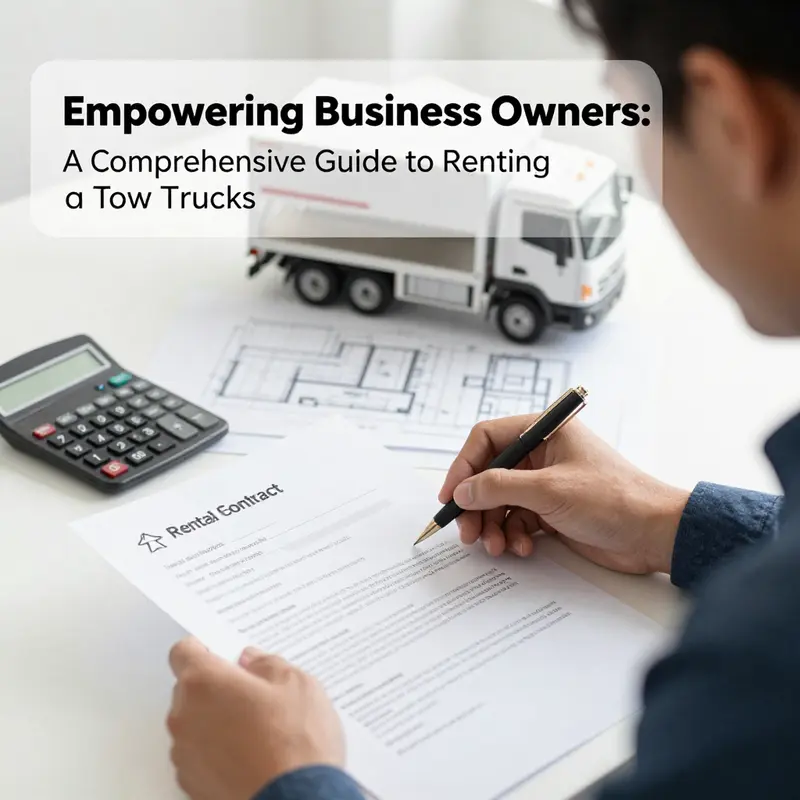
Renting a tow truck is not merely a matter of finding a vehicle with a hook and chain and waving goodbye to a sales rep. It is a structured decision that blends budget planning with a clear sense of responsibility and risk management. For anyone considering renting a tow truck—whether to handle a one-time vehicle move, to shore up emergency roadside service capacity, or to support a small fleet operation—the question inevitably returns to how much it will cost, what the contract will require, and what practical obligations come with driving a heavy-duty machine that is built for hauling and recovery. The process, at its core, rewards preparation. A careful buyer arrives armed with a realistic estimate of operating costs, a clear read on the rental agreement, and a sense of when renting makes sense versus hiring out a service. The numbers behind rental rates are more than numbers; they frame the decision about whether a tow truck is a short-term tool or a longer-term investment in capability. The base daily rates, which can swing from as low as twenty dollars for basic pickup variants to well over two hundred and thirty dollars for heavy-duty diesel units, reflect the sheer range of capability and service level available. Those rates are designed to cover a 24-hour window, but very few contracts end there. In practice, the daily rate is often only the starting point. If your plan requires more mileage, longer hours, or a return to a different location, the clock keeps running, and the charges can escalate quickly. It is not unusual to see the cost structure expanding to cover fuel, insurance, mileage overages, and sometimes a return-location penalty if you have a multi-city move. Fuel consumption, in particular, looms as a practical headwind. Heavy tow trucks are muscular machines by design and drink fuel in a way that would surprise anyone used to standard pickups. Six to ten miles per gallon is typical, especially when the truck is pulling a load or navigating urban streets with frequent starts and stops. When you multiply that by long distances and extended days, the fuel bill can become a non-negligible share of the total expense. This is not merely about keeping a budget; it is about planning for a concrete scenario—how many miles will you travel, on what terrain, and what load will you be handling. In many rental agreements, insurance is treated as a separate line item that can materially affect the final price. Standard policies often exclude coverage for personal injury or comprehensive damage to the rental vehicle itself, leaving the renter to purchase full-coverage insurance. That add-on can boost the rental cost by roughly 15 to 25 percent, depending on the provider, the driver’s history, and the specifics of the vehicle. The cost calculus, therefore, must factor not only the sticker price but the potential exposure you carry while operating a heavy vehicle with specialized equipment. Beyond the numbers, the contractual terms are the second major piece of the rental equation. Return policies are a frequent source of friction. A typical rental may require the truck to be returned to a designated location, which can complicate moves that cross city lines and can trigger expensive one-way or repositioning fees if misaligned with your plan. Mileage limits can also loom large. Some contracts cap the number of miles included in the base rate, and every mile beyond that cap can be billed at a premium. It is not unusual for liability waivers to be part of the agreement, obligating you to operate within defined safety guidelines and often restricting certain uses—such as off-road work, certain types of towing, or operations in weather conditions that could endanger the crew or the vehicle. Reading the fine print becomes less of a chore and more of a shield against unexpected obligations. The prudent renter treats the contract as a living document that shapes risk exposure and cost. The best practice is to request an itemized quote that breaks out every line item—from the base rate to insurance, fuel surcharges, mileage, and any location-based fees. This transparency makes it easier to compare offers and to spot potential pitfalls before signing. In terms of clauses to scrutinize, return penalties, late-return charges, and maintenance responsibilities deserve particular attention. Some agreements place maintenance on the renter, requiring routine checks and immediate reporting of any mechanical concerns. Others shift maintenance to the rental company, sparing the renter but often at a higher daily rate. Either arrangement can be workable, but clarity is essential to avoid disputes when the job is underway. Licensing and compliance also deserve explicit confirmation. Tow trucks operate under specific regulatory frameworks, and many providers require the renter to demonstrate the capacity to operate the vehicle safely and legally. This can include proof of training or credentials related to heavy towing, as well as adherence to safety protocols for securing loads, stringing lines, and preventing damage to vehicles being hauled. For anyone weighing these choices, the decision often hinges on a balance between flexibility and control. Renting a tow truck can deliver immediate, scalable capability without the overhead of ownership, maintenance, or depreciation. It makes sense for a one-off job, a short-term surge in demand, or a project with a clearly defined timeline. However, there are scenarios where hiring a professional towing service on an as-needed basis may be more economical and safer. If your use case involves variable workloads, uncertain locations, or complex towing scenarios that demand experienced operators, the value of a dedicated service can exceed the cost savings associated with renting. The key is to map out the practical realities of your operations. How many days will the truck be in use? How many miles are likely to be covered, and across which routes or terrain? Will you require specialized equipment beyond the basic rig, such as wheel-lift features, extended boom capacity, or extra straps and safety gear? Are there scheduling constraints that make one-way returns or multi-location logistics a reality? These are not questions with easy answers, but they are essential to forming a defensible budget and a workable plan. For readers who operate within a specific geographic area, local providers can offer tailored terms, and regional nuances in pricing and availability can influence the total cost picture. If you are in the Arlington area, for instance, you may want to explore local options such as the nearby tow-truck service landscape to gauge typical response times, service levels, and pricing structures. A practical approach is to engage with a few local operators to compare not just the price but the inclusions, the support offered, and the ease of arranging a rental. This is where a targeted, real-world contact can provide insights that no generic quote can. For readers seeking a concrete starting point, a local Arlington option can be a sensible anchor in your planning, and it can help you calibrate expectations for availability and service. As you gather information, don’t forget the operational realities that accompany any heavy equipment rental. Even with a favorable rate, the true cost of ownership can hinge on training, safety compliance, and the capacity to handle the specific towing scenario at hand. A truck’s payload capacity, wheel-lift range, braking performance, and hitch compatibility with trailers and towed vehicles are not cosmetic details; they are determinants of efficiency, safety, and liability. A thoughtful rental plan includes not only the vehicle but also an assessment of auxiliary needs such as lighting for night work, roadside safety gear, and the potential requirement for permits or special licensing for certain routes or higher payloads. When you break down all these factors—the base rate, the insurance overlay, the fuel footprint, the mileage discipline, the return logistics, and the compliance responsibilities—you begin to see why renting a tow truck, while flexible, is not a trivial financial decision. The best outcomes come from a disciplined approach that treats the rental as part of a broader operating strategy rather than a provisional fix. In this sense, the rental decision mirrors the broader calculus of equipment procurement: balance short-term needs with long-term implications, weigh cost against risk, and align with your capacity to manage the vehicle responsibly. For further guidance on formalizing these considerations, you can review a respected external resource that lays out practical steps for renting a towing pickup truck. And for those who want a local, practical touchpoint in the Arlington area, you can explore nearby service providers that offer tow-truck options and related support—an approach that helps anchor your planning in real-world availability and service expectations. External resource: https://www.carinterior.com/how-to-rent-a-towing-pickup-truck-guide. Internal reference: if you are looking to connect with local expertise, consider exploring Arlington tow-truck service resources such as Arlington tow-truck service pages that can offer insights into regional practices and quoted terms. Looking beyond the page, it is worth noting the value of talking to a qualified operator who can translate terms into practical outcomes. A skilled representative can walk you through the nuances of insurance coverage, explain how mileage caps are likely to affect your job, and clarify whom you should contact if the vehicle needs emergency maintenance during a rental period. The clarity gained in that conversation often prevents friction at the point of use, when time is critical and a misstep could lead to delays and cost overruns. In the end, renting a tow truck is a means to an operational end. It is a tool that can unlock speed, flexibility, and scale when paired with clear budgeting, thorough contract review, and mindful planning of safety and compliance. By approaching the process with disciplined curiosity and a willingness to compare, you can identify an arrangement that delivers the reliability you need without surprising you with hidden costs or ambiguous obligations. The path to a successful rental is a measured blend of price awareness, contract literacy, and practical readiness for the responsibilities that come with maneuvering a heavy recovery vehicle on public roads.
Final thoughts
Renting a tow truck can be a strategic move for many businesses, providing both flexibility and efficiency in operations. Understanding the rental process, including costs and contractual terms, will empower you to make decisions that align with your business goals. By leveraging rented tow trucks, you can not only manage your fleet more effectively but may also offer valuable support to your customers. As the demand for reliable roadside assistance continues to grow, positioning your business to meet these needs can yield significant benefits. Stay proactive and informed for a future where your business is well-equipped to handle any challenge it encounters.