
For business owners in Arlington, Virginia, understanding the dynamics of towing services is crucial, especially during roadside emergencies. Arlington Tow Truck stands as a reliable partner, providing 24/7 assistance for various vehicle needs. This article will first explore the comprehensive suite of services offered by Arlington Tow Truck, detailing how these services not only assist individuals but also align with the operational needs of businesses. Following that, we will delve into the regulatory framework governing towing operations in Arlington, helping business owners navigate compliance issues and enhance their operational strategies in alignment with local laws.
Lifelines on the Northern Virginia Road: A Close Look at Arlington Tow Truck’s Round-the-Clock Roadside Support
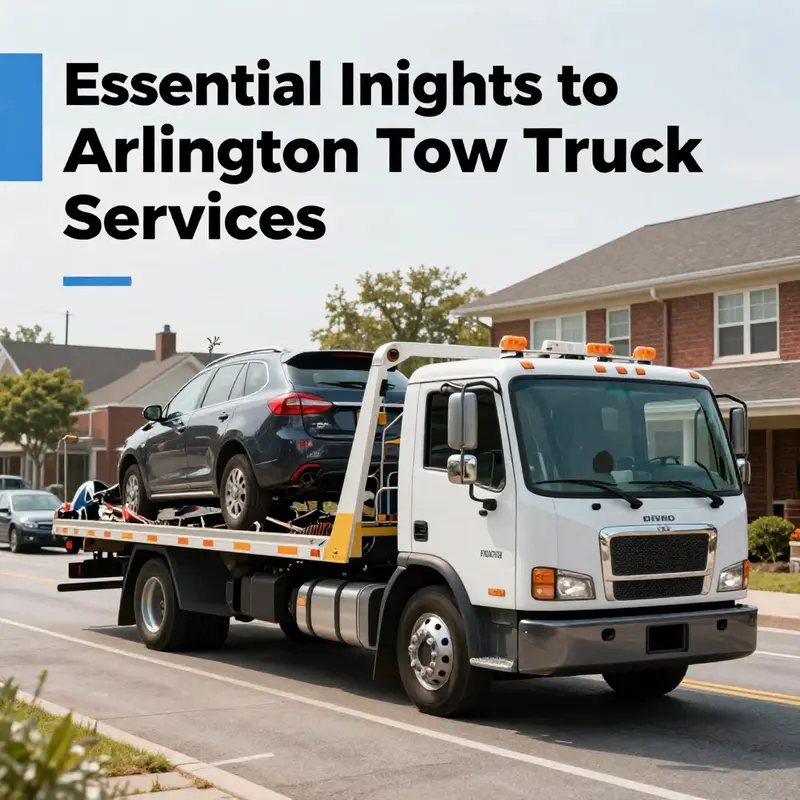
On any given day along the braided corridors of Northern Virginia, the highway hum becomes a chorus of traffic lights, tire noise, and the occasional sigh of frustration when a vehicle stalls. In that moment, a towing service often becomes more than a business; it becomes a lifeline. Arlington Tow Truck embodies this role with a blend of reliability, immediacy, and professional care that keeps drivers moving, even when the road seems to have other plans. The city’s streets demand responsiveness that doesn’t pause for late hours, weather, or the unpredictability of a flat tire. In Arlington, the service is structured around the needs of a mobile population—commuters, delivery crews, families, and the countless travelers who pass through or live in this dense network of neighborhoods and business districts. The core promise is straightforward enough to be understood at a glance: help is available 24/7, and when help arrives, it should feel capable, calm, and competent.
To deliver on that promise, Arlington Tow Truck has built a workflow that centers on speed without sacrificing safety. The service is designed to respond to emergencies and routine mishaps alike. Whether the issue is a vehicle that simply won’t start, a flat tire, or being locked out of a car, the technicians operate as a cohesive unit, ready to deploy with the right equipment and the right mindset. The 24/7 availability is more than a slogan; it is an operational standard that guides dispatch decisions, fleet maintenance, and driver training. In practical terms, this means a driver can reach you from the moment you dial the number, and the dispatcher can assign the closest, most appropriate team to your location. This proximity matters, especially when every minute counts in a crowded urban environment where gridlock can complicate even the most straightforward call for assistance.
From a service design perspective, the portfolio Arlington Tow Truck offers is intentionally broad. Towing forms the backbone—when a vehicle cannot be safely moved under its own power, a controlled tow repositions it to an approved facility or a location of your choosing. Beyond that, the roadside repertoire expands to include lockout assistance, jump-starts to revive a dead battery, fuel delivery for those moments when you roll into the wrong station and realize you’re out of gas, and tire changes when a spare is available and the situation warrants it. Each of these services shares a common thread: they are delivered with a focus on preserving the integrity of the vehicle and the safety of everyone involved. The technicians are trained to minimize further damage, to communicate clearly about what they’re doing, and to keep you informed about what to expect next. That clarity matters, especially for drivers who have never faced a roadside emergency before.
To the uninitiated, the logistics behind a reliable tow service might seem routine, but the reality is nuanced and heavily regulated. Arlington Tow Truck operates within a framework of licensing and notification protocols that ensure every tow is conducted in a transparent, accountable manner. The city’s rules require tow operators to be properly licensed and to notify relevant stakeholders when a vehicle is moved. This ensures a chain of custody for the car and promotes safety for everyone in the surrounding area. Vehicles towed in Arlington must be stored at approved facilities, and owners can retrieve their property during established business hours. In essence, the regulatory backbone provides a safeguard for both the vehicle owner and the community, helping deter unauthorized towing and ensuring that operations stay within the bounds of public safety. The result is a service landscape where customers can expect not only rapid response but also predictable procedures and recourse if something doesn’t go as planned.
For the driver stranded on the shoulder or the busy parent inching through a city street, the practical experience of calling Arlington Tow Truck is about more than just getting a car back on the road. It is about regaining momentum—momentum that matters for work appointments, school commitments, and the ordinary rhythms of daily life that households rely on. The dispatch system, often invisible to the consumer, functions as the nervous system of the operation. It coordinates arrival times, assigns the nearest available technician, and provides a line of communication between the caller and the person who will work on the break in the vehicle’s journey. What distinguishes a strong local service from a good one is not merely the speed of a vehicle’s arrival but the quality of the interaction on the ground: respectful dialogue, accurate assessment, and a plan that respects the customer’s time and property.
In the Arlington landscape, a sense of trust also grows out of consistency. When you call, you expect a calibrated approach: the right tools for the job, a clean and careful handling of your vehicle, and the assurance that you will be kept informed about any developments. This consistency is achieved through ongoing training, well-maintained equipment, and a culture that prizes safety as a foundational value. The technicians arrive with the equipment they need to execute the task efficiently—whether it is securing a vehicle for transport, bridging a battery, or replacing a tire with due regard for the car’s suspension and rims. The goal is to minimize disruption and keep the roadways as safe as possible for everyone who shares them. The road is a common space, and the operator’s responsibilities extend beyond the car being helped; they include consideration for other motorists who must navigate around a stalled vehicle and the pedestrians nearby who may be drawn into the moment.
The service-orientation of Arlington Tow Truck extends into its engagement with the community and the wider regional ecosystem. The company positions itself as a dependable resource, not just a one-off remedy for a roadside hiccup. In practice, that means a willingness to coordinate with other local services and to provide steady help during peak travel times, inclement weather, or major events when the demand for roadside assistance spikes. It also means operating with a level of professionalism that reassures customers that they are not simply a number in a queue. The human element—the courtesy, the willingness to explain options, and the patience to answer questions—becomes a defining trait of the experience. In a city where every neighborhood has its own character, the ability to respond to a variety of scenarios with sensitivity and competence is not a luxury; it is a necessity.
For readers seeking a practical doorway to a fuller understanding of Arlington’s towing landscape, a concise overview of Arlington-towing services can be found here: Arlington-towing. This resource offers context about how local operators position themselves within the city’s regulatory framework and how they communicate the value of reliable, round-the-clock assistance. Additionally, for those who want to explore a broader picture of the company’s outreach and service footprint in the region, the external resource provides a useful reference point: External resource: MapQuest listing. https://www.mapquest.com/business/arlington-tow-truck-arlington-va
In the end, the value Arlington Tow Truck delivers is not just about the physical act of towing or delivering fuel. It lies in the steady, dependable presence that helps people regain control when the unexpected happens. It is the quiet confidence that accompanies arrival—an assurance that the vehicle will be handled with care, that the path forward will be explained, and that the moment of vulnerability on the roadside will be transformed into a manageable, solvable situation. As traffic flows and days turn into nights across Northern Virginia, that assurance is a steady heartbeat in the background, ensuring that the road toward tomorrow remains open and navigable for everyone who depends on it.
Safeguarding Stranded Drivers: Arlington Tow Truck Regulations
When a vehicle becomes immobilized on Arlington streets, the scene unfolds within a carefully balanced regulatory landscape. Arlington County’s Vehicle Towing and Storage Regulations, codified in Chapter 12.03, set a framework that turns a stressful moment into a predictable sequence of steps. The framework governs licensed operators, property owners, and vehicle owners to protect safety, property, and rights. The aim is to regulate when and how a tow occurs, ensure proper handling of the vehicle, and guarantee a fair path to retrieval. In practice, a tow is permissible under defined circumstances, carried out by trained professionals, and followed by transparent procedures that minimize confusion and conflict. The public-facing outcome is a street system that reduces obstruction and hazard while preserving the owner’s ability to reclaim a vehicle without unnecessary delay.
The code begins with circumscribed circumstances under which a tow may be initiated: illegal parking, obstruction of public access, or safety hazard. These criteria translate into concrete decisions for property managers, private lot attendants, and law enforcement when needed. By anchoring tow actions to observable conditions, Arlington prevents arbitrary removals and protects legitimate space use. This clarity matters for drivers who might otherwise face a surprise removal and helps building owners communicate expectations to visitors and tenants, establishing a lawful basis for enforcement that can withstand scrutiny.
Licensing requirements form the backbone of professional accountability. Operators must register with Arlington County, provide proof of insurance, and demonstrate adherence to standards. This triad ensures legal recognition, financial readiness to cover damages, and operation under a defined set of procedures. The licensing process acts as a gatekeeper, discouraging low-quality operators and giving residents a reliable point of reference when they seek roadside help. For motorists, licensing translates into trust; for property owners, it offers assurance that the company arriving to remove a vehicle has met qualifications and will conduct service with accountability.
Storage is treated with care. Towed vehicles must be secured in designated facilities with systems to protect from damage. Storage rules emphasize documentation, security, and accessibility so owners can verify status and retrieve efficiently. Retrieval procedures and business hours balance needs of owners who may be working or traveling with storage lot realities. The outcome is a predictable process: a vehicle is towed to a compliant facility, stored securely, and made accessible through a transparent workflow. Proper storage protects against unauthorized access, weather exposure, and misplacement, reducing disputes at claim time.
Notification and communication are also central. Property owners or managers may act as intermediaries, but the code ensures vehicle owners receive timely information about the tow, location, and steps to retrieve it. This safeguard minimizes anxiety and creates an audit trail for accountability if questions arise about legality or conduct. The goal is to move through a process that respects the rights and needs of all parties involved, from the mistaken parker to the person who relies on the vehicle for daily life.
Tow operators are participants in a system designed to protect safety and property while maintaining street order. Reputable operators verify licensing and insurance, use compliant documentation, and coordinate with approved storage facilities. They follow procedures that support a legitimate remove-and-retrieve workflow, maintaining paperwork and avoiding unnecessary damage or disruption. By operating within these constraints, they contribute to a regulated ecosystem where incidents are addressed promptly and professionally. This alignment with Chapter 12.03 is a daily discipline that shapes driver perception, policy enforcement, and the reliability of roadside help.
For drivers stranded by a tow, the framework offers assurance: a tow conducted under licensed oversight, proper storage, and a clear retrieval path. It also underscores the importance of due diligence when choosing a service provider. Asking about licensing, insurance, or storage arrangements is prudent; it helps ensure service aligns with Arlington’s standards and that reclaim remains within reach. The interplay between regulation and practice creates a calm, orderly response to an otherwise tense situation and reinforces a shared expectation: tow operators should act legally, property owners should follow rules, and vehicle owners should understand the process and protect their rights.
The regulatory narrative extends beyond compliance; it is a framework for fair treatment and predictable outcomes. Penalties for unauthorized towing or deviations deter improper conduct and incentivize continuous improvement. Enforcement by the county signals that the rules are binding standards protecting citizens and their property. The Arlington model shows how law and service culture can coexist, guiding professionals toward accountability while offering residents confidence in the care and respect given to their vehicles.
Within this framework, Arlington tow operators often reference the county code to anchor daily practice. For more on-the-ground specifics, the Arlington towing page offers a practical glimpse into how licensed providers present themselves and align with local expectations. This connection between code and service helps residents navigate a tow with clarity and trust. Arlington-towing
As a final reflection, the regulation around Arlington tow trucks embodies a straightforward promise: when a vehicle is removed, every step—from decision to tow, through storage, to retrieval—is governed by precise standards designed to protect everyone involved. The result is a street system that favors safety, transparency, and accountability. The next chapter will explore how customers experience the service side of Arlington’s towing landscape and how regulatory foundations meet daily road encounters. For those who wish to explore the regulatory text in depth, the official Arlington County Code provides the authoritative framework: https://www.arlingtonva.us/DocumentCenter/View/4576/Arlington-County-Code-Chapter-1203-Vehicle-Towing-and-Storage-Regulations.
Final thoughts
In summary, Arlington Tow Truck offers essential towing and roadside assistance tailored for the unique challenges faced by business owners in Arlington. By understanding the services available and the regulatory landscape, businesses can better prepare for emergencies and ensure compliance with local laws. Engaging a trusted towing service like Arlington Tow Truck not only safeguards your assets but also provides peace of mind, allowing you to focus on running your business effectively.