
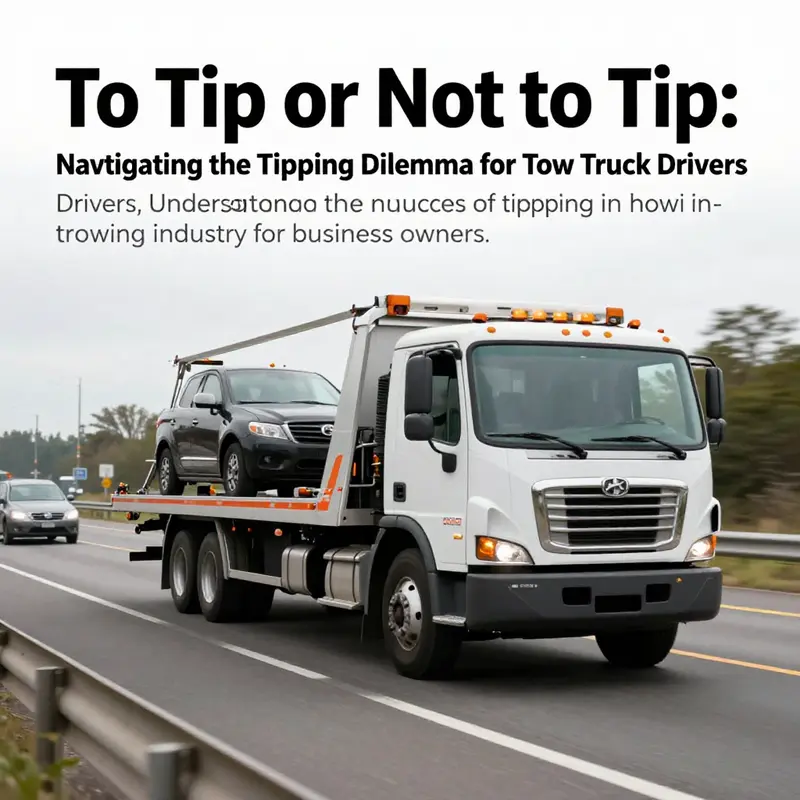
Tipping practices can vary significantly across different professional services. While many service industries, such as hospitality and food delivery, have established norms around gratuity, the towing industry presents a more complex landscape. Understanding whether to tip tow truck drivers is crucial for business owners, especially since these operators provide specialized, often emergency-based services. This article will explore the expectations around tipping in the towing world, examine the financial context of towing services and the tipping culture, and provide guidance on when, if ever, it might be appropriate to offer a tip, helping business owners navigate these decisions with confidence.
Etiquette on the Road: When and How to Tip Tow Truck Drivers
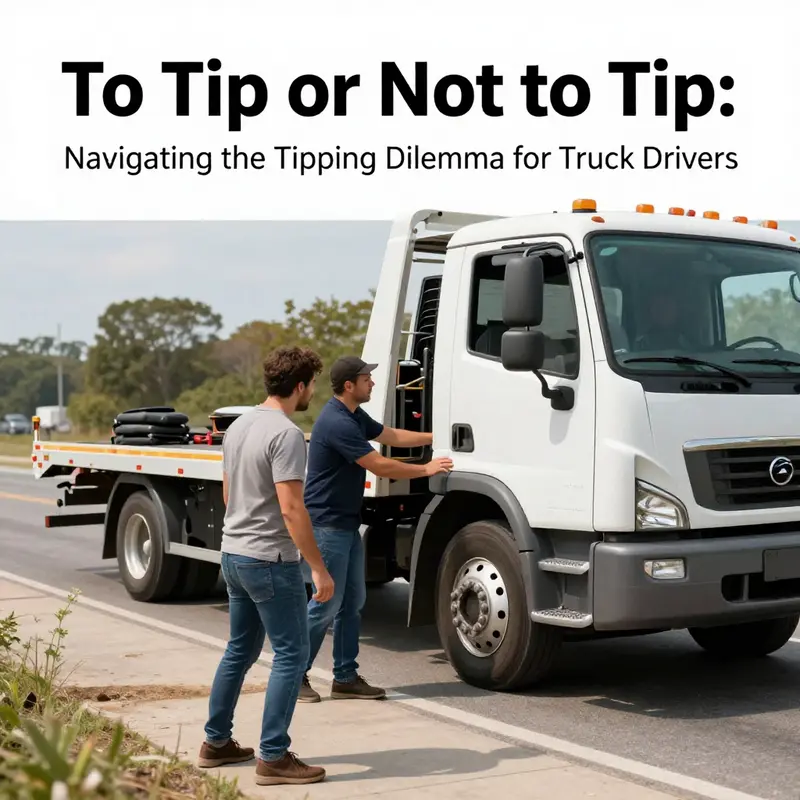
Tow truck tipping etiquette is about communication and respect, not a mandatory extra. In most places, tow services are professional work with fees designed to cover labor, operation, fuel, and overhead, typically set in advance by insurance claims, quotes, or company estimates. Tipping remains optional and should reflect exceptional service rather than a requirement.
In the United States, drivers are often paid a fixed rate or negotiated fee that accounts for distance, vehicle type, the difficulty of extraction, and time. Some regions regulate rates or guidelines; when a driver arrives promptly, explains the process clearly, and treats people on scene with calm professionalism, a tip may feel appropriate. The choice remains at the customer’s discretion.
Culturally, tipping norms vary internationally. In Canada and much of Europe, tipping tow operators is generally uncommon; thanks are more often shown through courtesy, efficiency, and clear communication. In parts of the Middle East and Asia, norms vary widely; local customs, the level of service, and the relationship among caller, dispatcher, and driver influence what is appropriate. When in doubt, local norms should guide your decision.
Deciding whether to tip: start with local norms, and when possible, check with the towing company or dispatcher. The U.S. Department of Labor offers general guidance on tipping in service contexts that can help frame your decision within broader norms. Consider whether the driver went beyond the minimum—navigating hazards, coordinating with insurers, or offering extra explanations—and whether this added effort saved you time or stress.
If you tip, let the amount reflect the service. A modest gratuity is reasonable for prompt, professional help; a more substantial tip may be warranted for long hours, difficult maneuvers, or challenging conditions. Avoid making tipping feel obligatory or tied to guaranteed service. Never feel pressured to tip to receive help; root your gesture in respect and fairness.
Practical etiquette: tip at the point of service when possible to avoid billing or insurance issues. A hand-to-hand exchange is common; contactless options are acceptable where available. A brief note of thanks is a nice touch, especially if the driver handled fragile cargo or helped in high-stress moments. If the local company has explicit tipping guidelines, those take precedence over personal preferences.
Bottom line: tipping tow truck drivers is optional and situational, not a universal rule. For regional expectations, local resources can offer guidance. Regardless of tipping, expressing gratitude verbally reinforces mutual respect on the road. And when in doubt, a simple thank-you goes a long way toward safety, reliability, and problem resolution.
Tow Pricing on the Move: Decoding Fees, Regulations, and the Subtle Question of Tipping
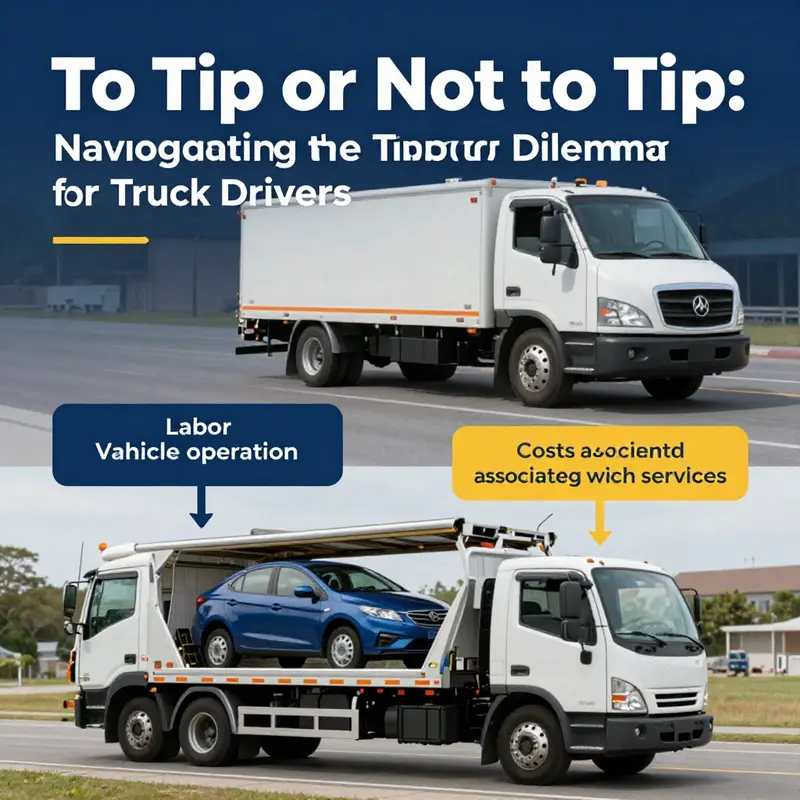
Many people face the question of tipping when a tow truck arrives. In most places, you are not expected to tip tow truck drivers. Tow services are professional, often emergency-based, and the fees you see on the bill are designed to cover labor, vehicle operation, fuel, and the specialized equipment needed for a safe haul. The price is usually agreed upon before service begins—sometimes through an insurance claim, sometimes directly with the operator. While a small gesture of appreciation might cross some minds, tipping tow truck drivers is not a standard practice and the majority of guides treat it as optional rather than required.
The backbone of what you pay rests on a straightforward pricing structure that varies by location and provider. Base rates establish the minimum charge when a truck is dispatched. Then the distance traveled adds to the total, and time spent at the scene can influence the final amount, especially if the driver must wait for recovery, secure a vehicle, or negotiate a tricky configuration. Some silent unwritten rules also come into play: the type of vehicle towed, its weight, and the complexity of the hookup. In many states, law and local ordinances regulate these factors to protect consumers from surprise fees—especially during emergencies when stress is high. Regulations often require clear, itemized pricing disclosures and cap certain charges, a reminder that towing is not an ad hoc service but a regulated one. For instance, jurisdictions have tried to curb price gouging by mandating quotes before work and by allowing customers to compare rates from multiple providers.
Even with price controls and disclosures, consumer perception can skew how customers feel about their bill. A higher-than-expected charge can trigger a wish to soften the blow with a tip, but that impulse is not a universal expectation. Tipping, when it occurs, tends to reflect personal satisfaction rather than professional obligation. It might be offered if the driver arrived promptly in a genuine emergency, displayed unusual professionalism, or provided practical help beyond merely hauling the vehicle. But the absence of a tip should not be interpreted as disrespect or a failure of service; the financial model for tow work typically relies on wages and company revenue rather than tips as a primary income source. Many companies openly caution customers that tipping is not expected. If you are unsure about local expectations, a quick call to the dispatch line can clarify whether a gratuity is appropriate or welcomed.
For many people seeking transparency and control over costs, upfront quotes can make a real difference. Some providers publish clear pricing and offer quotes over the phone or via apps. This reduces financial uncertainty and helps you plan for the incident, whether you are dealing with a roadside failure, a stalled vehicle, or a gear-laden retrieval from a remote location. If you want a local reference with clear communication on pricing, you can look into a nearby option such as the towing service in Washington DC, which often emphasizes straightforward service details and pricing. This kind of approach aligns with the broader guidance that customers should confirm pricing before the tow begins, ask about potential added fees, and clarify whether tipping is customary.
All of this sits within a broader context of consumer protection and professional standards. Drivers are trained to handle hazardous situations, secure loads safely, and protect both their own equipment and your property. They are part of a regulated system that aims to balance fair compensation with reasonable prices. In practical terms, your best move is to focus on clarity: know what you’re paying for, understand any extra charges before the tow, and decide about a tip only after you’ve evaluated the overall service. If you take this approach, you’re aligning your actions with both common-sense budgeting and the regulatory framework that governs towing in many jurisdictions.
External resource for further reading: https://www.consumerreports.org/towing/should-you-tip-a-tow-truck-driver-a538467/
null
null
Final thoughts
Navigating the world of tipping for tow truck drivers can be confusing, particularly in a professional context. Business owners should recognize that it is generally not customary to tip tow truck drivers, as their fees are structured to encompass their services adequately. However, there are instances where a tip may serve as an expression of gratitude for exceptional service. Ultimately, understanding the norms of the towing industry can aid business owners in making informed decisions regarding tipping and enhance their interactions with towing services.