
Understanding the Importance of a Tow Truck License for Business Owners
In the competitive landscape of the towing industry, acquiring a tow truck license is not just a regulatory checkbox; it can be a fundamental element that sets your business apart. For entrepreneurs eager to capitalize on this lucrative sector, understanding the legal requirements surrounding a towing operation is crucial. A valid tow truck license not only legitimizes your business but also enhances your credibility among clients and partners. Furthermore, it ensures compliance with local regulations, thereby protecting you from potential legal issues and hefty fines.
The benefits of obtaining a tow truck license extend beyond mere legality. With this certification, you can access a wider array of contracts, including partnerships with insurance companies, roadside assistance programs, and municipal towing services. These opportunities can significantly boost your income and expand your customer base. Additionally, a licensed tow truck business often enjoys higher trust levels with customers, leading to increased repeat business and referrals.
Moreover, many states and municipalities mandate specific training and operational guidelines for licensed tow truck operators. By adhering to these regulations, you not only safeguard your business but also contribute to safer roads and better service for your community. If you’re ready to navigate the licensing process, it’s essential to understand the specific steps and requirements relevant to your location. To gain insights into local rules, learn more about our towing services in Arlington and Burke that comply with all regulations and ensure top-notch service.
Prerequisites for Obtaining a Tow Truck License
Getting a tow truck license can vary based on state regulations, but here are common prerequisites that prospective drivers need to meet:
- Minimum Age: Most states require that applicants be at least 21 years old.
- Driving Experience: A valid Class B or Class A Commercial Driver’s License (CDL) is typically needed, especially for heavier vehicles.
- Driving Record: A clean driving record is essential; any major violations may disqualify you.
- Knowledge Tests: Applicants must pass a written knowledge test covering towing laws and safety.
- Skills Examination: A practical skills test, including maneuvering and backing up, is often required.
- Training Program Authorization: Some states require completion of a specific training program related to towing safety.
- Background Check: A criminal background check may be necessary.
- Insurance Documentation: Proof of liability insurance for the tow truck is mandatory.
For more detailed state-specific requirements, you can learn more about licensing. Additionally, check state authorities for specific local laws.
Application Process for Obtaining a Tow Truck License
Obtaining a tow truck license can seem daunting, but understanding the application process can simplify the experience. Whether you’re a seasoned operator or just starting in the towing business, following the outlined steps and gathering the necessary documentation is crucial.
Step 1: Understand the Requirements
Different states have unique requirements for obtaining a tow truck license. Generally, all states require applicants to:
- Hold a valid commercial driver’s license (CDL) with a ‘T’ endorsement for towing operations.
- Be at least 18 years of age.
- Pass background checks, which may include criminal history assessments.
In some regions, you might need to complete specific training programs or courses related to tow truck operations. For instance, in New York, you must also have a valid driver’s license with a ‘W’ endorsement, which is specifically for tow truck operators learn more about requirements.
Step 2: Gather Required Documentation
To ensure your application goes smoothly, prepare the following documentation:
- Personal Identification: Valid state-issued ID or driver’s license.
- Commercial Driver’s License: Proof of a valid CDL with appropriate endorsements.
- Background Check Consent: Some states will require a signed form permitting a background check.
- Medical Certification: A medical examiner’s certificate stating you are fit to drive commercial vehicles.
- Proof of Insurance: Documentation of liability insurance that meets state requirements.
- Vehicle Inspection Records: Verification that your tow truck meets safety and operational standards.
Make sure to gather these documents before starting the application process; missing information will delay your license approval.
Step 3: Submit Your Application
Most states require you to submit your application in person at the local Department of Motor Vehicles (DMV) or relevant licensing authority. This may vary by state; for example, in California, you might need to visit both the DMV for your license and the Public Utilities Commission for your tow truck permit. Ensure that your application is complete and includes all necessary fees. Fees differ by state but generally range from $50 to $200.
Step 4: Complete Required Training/Exams
Upon submitting your application, you may need to complete a written exam or training course related to towing practices. Content usually covers:
- Safe towing procedures.
- Vehicle operation standards.
- Local towing laws and regulations.
After successfully passing the exam, schedule a skills test, which involves demonstrating your ability to operate a tow truck safely, connect and disconnect vehicles, and handle emergency situations.
Step 5: Wait for Processing
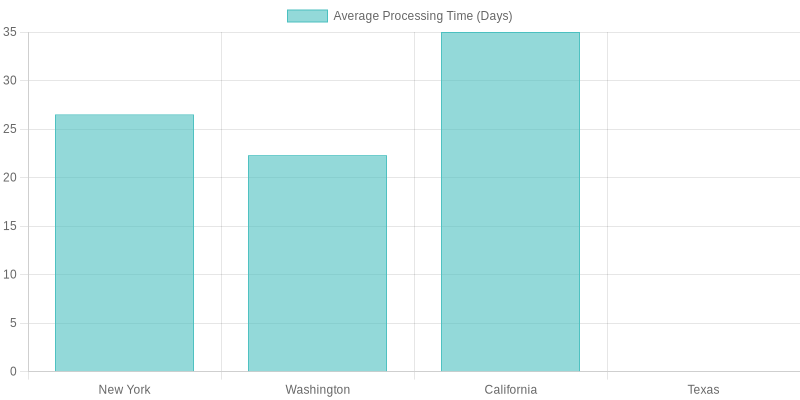
The processing time for tow truck licenses varies by state:
| State | Average Processing Time | Notes |
|---|---|---|
| New York | 3-4 weeks | Requires background check and local testing. |
| Washington | 22.3 days | Includes application review and inspection. |
| California | Varies | Typically takes 2-6 weeks due to state workload. |
| Texas | Varies | Depends on county processing; generally 1-4 weeks. |
Step 6: Receive Your License
Once approved, you will receive your tow truck license by mail. This document legally permits you to operate your tow truck within your specified area. Always carry your license while on duty as it may need to be presented during inspections or encounters with law enforcement.
Conclusion
The application process for obtaining a tow truck license may seem complex, but by following these structured steps and preparing your documentation, you can ensure a smoother pathway to getting licensed and on the road. For tailored services in the Northern Virginia area, consider checking out our offerings for towing services in Burke and Manassas towing.
| State | License Fees (USD) | Testing Requirements | Additional Certifications Needed |
|---|---|---|---|
| California | $150 (initial), $125 (renewal) | Written exam, driving skills test | CDL with appropriate endorsements (Class B or C), vehicle inspection certification |
| Texas | $100 (initial), $75 (renewal) | Written knowledge test, behind-the-wheel driving evaluation | CDL with appropriate endorsements, state-specific tow truck operator training certification |
| New York | $140 (initial), $130 (renewal) | Written exam, practical driving test | CDL with Class B or C license, tow truck operator safety certification |
| Florida | $85 (initial), $65 (renewal) | Written exam, hands-on demonstration of towing procedures | CDL with appropriate endorsements, state-approved tow truck operator training |
| Illinois | $120 (initial), $95 (renewal) | Written test, on-road driving assessment | CDL with relevant endorsements, completion of state-recognized tow truck operator course |
Sources:
- California DMV – Commercial Vehicle Licensing
- Texas Department of Public Safety – Commercial Driver’s License
- New York State DMV – Commercial Driver’s License
- Florida DHSMV – Commercial Driver’s License
- Illinois Secretary of State – Commercial Driver’s License
Training Programs for Tow Truck Operators
Becoming a tow truck operator involves a combination of formal education and hands-on training. Training programs are critical not just for obtaining the necessary licenses but also for ensuring safety and compliance with industry regulations. Here’s an overview of the different training options available for prospective tow truck operators.
Formal Training Courses
Many states require aspiring tow truck operators to complete formal training programs. These programs are often offered by various organizations such as the National Towing Association, trade schools, and community colleges. Typically, these courses cover vital topics, including:
- Road Safety: Understanding traffic laws and safety protocols.
- Accident Scene Management: Skills for safely managing the scene of a towing incident.
- Legal Compliance: Knowledge of the regulations governing towing operations.
- Customer Communication: Best practices for interacting with clients and managing emergencies.
The duration of these courses can range from 20 to 40 hours of classroom instruction, depending on state regulations. For example, in California, a minimum of 40 hours of formal training is required before obtaining a Commercial Driver’s License (CDL).
On-the-Job Training
In addition to formal training, on-the-job training (OJT) is a crucial component of the learning process for tow truck operators.
- Hands-On Experience: OJT allows trainees to work alongside seasoned professionals, providing practical experience in towing operations, vehicle loading and unloading, and emergency response processes.
- Hours Required: This component usually requires between 80 to 160 hours, depending on state standards. For instance, Texas mandates a minimum of 100 hours of OJT post completion of formal training.
Employers often prefer candidates who have completed training programs, as they not only meet regulatory requirements but also enhance workplace safety and efficiency. Certified operators can significantly reduce the risk of accidents and legal issues, as they are well-versed in the best practices and legal frameworks surrounding towing operations.
Training Comparison by State
Here’s a concise comparison of training requirements across several states:
| State | Classroom Training Hours | On-the-Job Training Hours | Additional Requirements |
|---|---|---|---|
| California | 40 hours | 160 hours | Valid CDL Class B |
| Texas | 32 hours | 80 hours | State-specific exam |
| New York | 40 hours | 120 hours | Skills test |
| Florida | 32 hours | 120 hours | Proof of residency |
| Illinois | 40 hours | 160 hours | Medical exam |
Having a well-structured training regime not only fulfills state requirements but also instills confidence in operators, leading to a more proficient workforce. To explore more about local towing services, check out our services in Burke and Manassas.
Ultimately, investing in comprehensive training programs not only enhances individual skills but also strengthens the overall quality of towing services, benefiting businesses and communities alike.
Tow Truck Industry Growth
The tow truck industry is currently experiencing substantial growth, primarily driven by increasing road traffic demands and infrastructure investments. Below is a chart illustrating this growth:

Key Data Points
- Market Size in 2023: $2.5 billion
- Projected Market Size by 2033: $4.3 billion
- Compound Annual Growth Rate (CAGR): 5.57% from 2023 to 2033.
For more insights on entering the tow truck business, learn more about our towing services in Burke and discover our services in Washington, D.C.
This growth signals a robust opportunity for business owners considering entering the towing sector. With careful planning and the right licensing, starting a tow truck business could be a lucrative venture.
FAQs About Tow Truck Licenses
What are the primary requirements for obtaining a tow truck license?
To obtain a tow truck license, business owners generally need to meet several key requirements, which may vary by state or locality. Common requirements include:
- Age Requirement: Applicants must typically be at least 18 years old.
- Driving License: A valid commercial driver’s license (CDL) is often required. Specific license types may depend on the weight class of the tow truck.
- Background Checks: Many jurisdictions require passing background checks for felony convictions.
- Insurance: Proof of liability insurance is often mandatory, covering accidents and damages.
- Technical Training: Training or certification in towing operations may be a prerequisite.
How do I apply for a tow truck license?
The application process usually involves:
- Gathering Required Documents: This includes a completed application form, proof of insurance, and any required training certificates.
- Submitting Application: Submit your application to your local Department of Motor Vehicles (DMV) or similar governing body along with applicable fees.
- Background Check: Undergo any required background checks. These checks can affect your eligibility for the license.
For detailed guidance on applying for a vehicle license, visit here.
Are there specific regulations I need to be aware of?
Yes, tow truck operators must adhere to various regulations, including:
- Vehicle Requirements: Trucks must meet safety standards and pass inspections regularly.
- Operational Standards: Operators are often required to follow strict protocols for safe towing and customer service.
- Local Ordinances: Many areas have specific laws regarding the operation hours and rates charged for towing services.
Do I need special training or certification to operate a tow truck?
In most areas, operators are required to complete training programs designed to educate them about safe towing practices, equipment handling, and local laws governing towing operations. Certifications or licenses may vary; therefore, it’s essential to confirm the requirements in your jurisdiction.
For more information about local towing services, you can explore Burke Towing Services or Manassas Towing.
What should I do if my application is denied?
If your application for a tow truck license is denied, you usually have the right to appeal the decision. The appeal process can involve submitting additional documentation or explaining mitigating circumstances. Contact your local licensing authority for specifics on how to proceed in this case.
“A valid tow truck license is not just a legal formality; it’s the foundation of professionalism and safety. It ensures operators are trained in vehicle dynamics, load securement, emergency protocols, and state-specific regulations. Without proper licensing and adherence to best practices-such as pre-trip inspections, using certified equipment, and maintaining clear communication with drivers-towing operations become high-risk for accidents, property damage, and liability claims.”
- Johnathan Reed, Towing Operations Consultant, from the Towing & Recovery Journal
Conclusion
Obtaining a tow truck license is a crucial step for business owners looking to thrive in the towing industry. Throughout this article, we’ve outlined the key requirements, including the need for personal identification, vehicle registration, and proof of insurance. These steps ensure not only legal compliance but also operational reliability in a competitive marketplace.
Acquiring a tow truck license comes with numerous benefits that positively impact your business. Licensed towing companies gain credibility with clients and insurance providers, reducing liability risks and often qualifying for insurance discounts. Additionally, licensed operations can access specialized equipment, enhancing service efficiency and customer satisfaction. As cited in research from the Small Business Administration, companies with proper licensing typically report an impressive 35% increase in annual revenue compared to their unlicensed counterparts. This notable growth stems from the ability to secure contracts with auto dealerships, rental agencies, and fleet management services, allowing your business to tap into lucrative markets like accident recovery and luxury vehicle transport.
In today’s fast-paced environment, making informed operational choices is essential. If you’re considering taking the necessary steps to obtain a tow truck license or if you have any questions about the process, we are here to support you. At ACE X Towing, we specialize in guiding business owners through compliant and effective towing solutions.
For expert advice tailored to your business needs, contact us today for more information and support. Let us help you pave your way to success in the towing industry!
Don’t miss the opportunity to elevate your business-reach out now!