
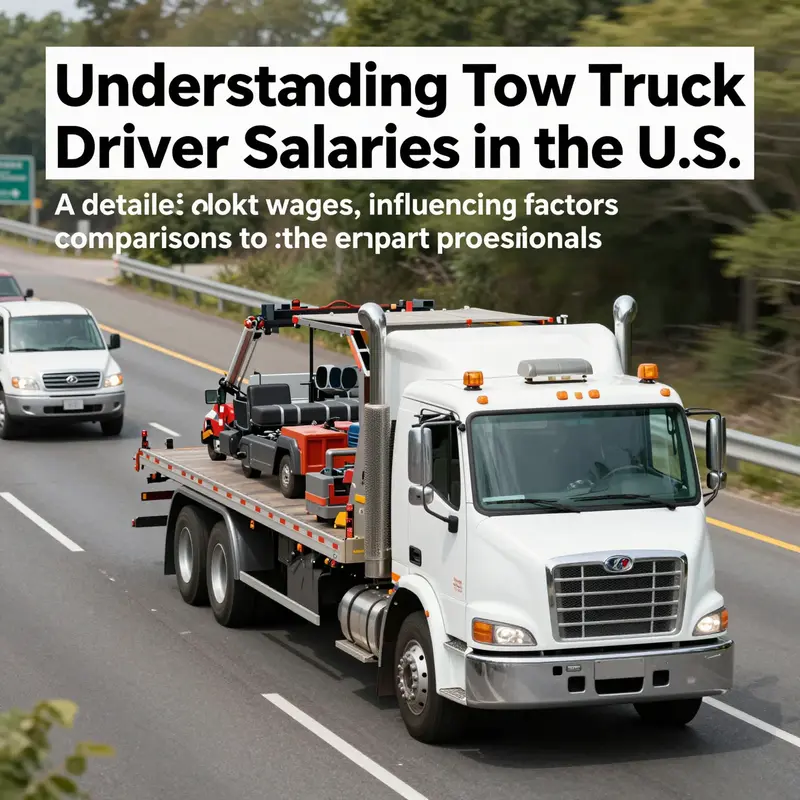
Tow truck drivers play a crucial role in ensuring road safety and providing vital assistance to stranded motorists. Understanding how much these professionals earn is essential for business owners in the towing industry, especially when it comes to attracting talent and setting competitive wages. This article delves into how income varies by location, the impact of experience and employers, and how tow truck driver salaries compare to other transport roles. Each chapter provides insights that connect back to the overarching question: how much do tow truck drivers make, and what implications does this have for your business?
null
null
null
null
Tow Wages in Context: Tow Truck Drivers in the Pay Landscape
Tow truck driving blends service urgency with local demand, so earnings are solid but highly variable. Across the United States, pay commonly falls in the low to mid range for transport trades, with many drivers reporting hourly wages in the 18 to 22 dollar range when employed by a company, and higher possibilities for independents or specialty work. On a full-time schedule, that can translate into roughly 37,000 to 50,000 per year, depending on calls, bonuses, and overtime.
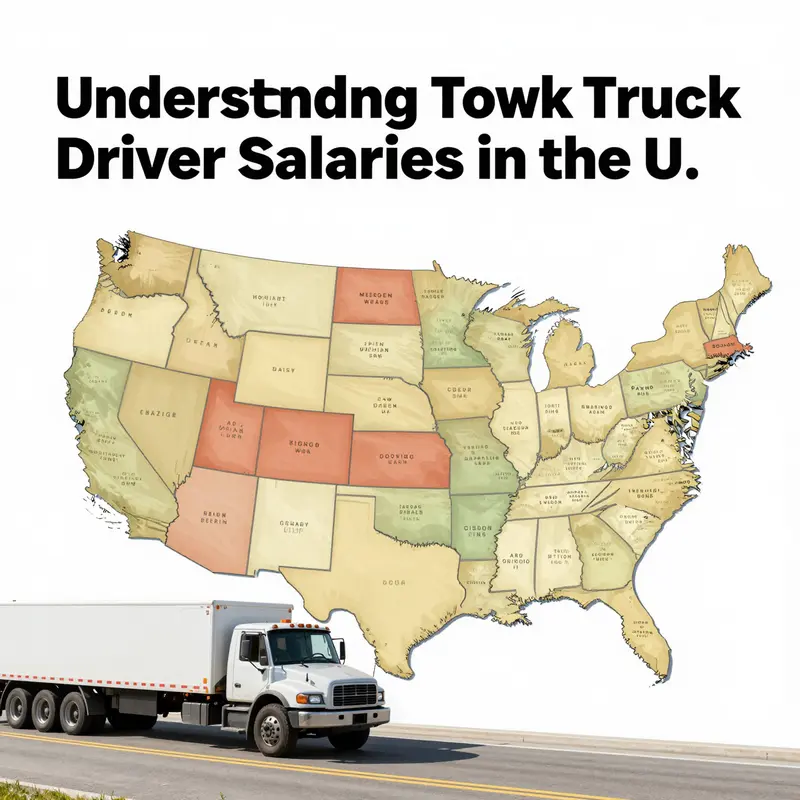
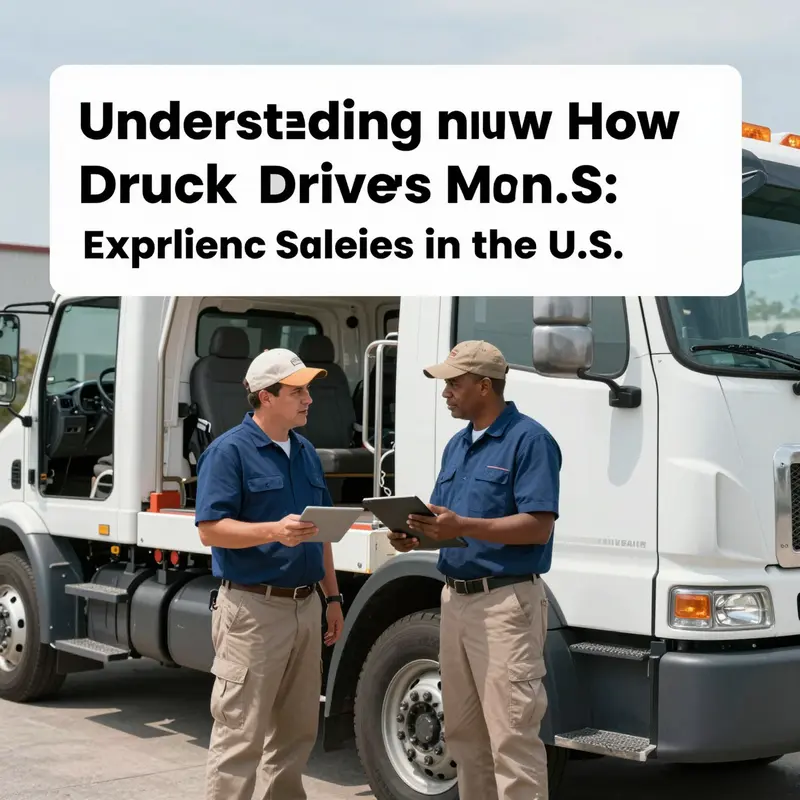
Critical drivers of earnings include location, time of day, and the mix of services offered. Urban areas with heavy call volume can sustain higher base rates and on-call premiums. Experience matters: seasoned movers who can safely stabilize scenes and complete recoveries efficiently tend to command better rates. Specialization—heavy-duty towing, accident response, or complex recoveries—tends to pay more than routine roadside calls. The choice between independent operators and company roles matters too: independents may chase peak demand windows and on-demand gigs with higher upside, while company crews offer steadier hours and benefits but less control over workload.
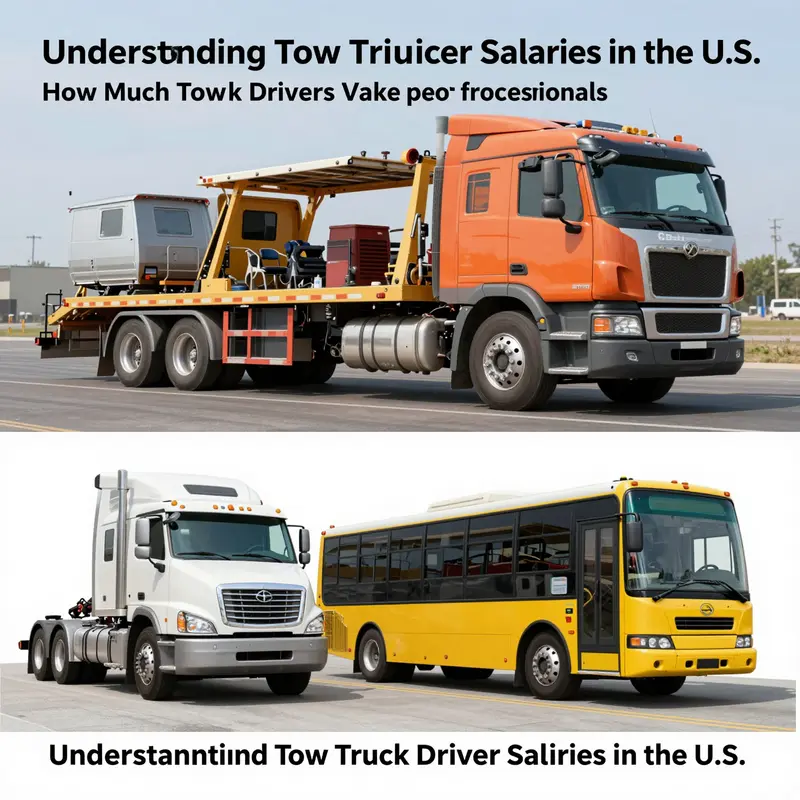
When you compare tow work to other transport careers, the spread is real but not absolute. Delivery drivers often earn in a similar band to tow drivers, with pay influenced by company, region, and shift. Long-haul truckers may show higher earnings overall due to overtime and bonuses, but that comes with longer trips away from home. In practice, the decision often comes down to lifestyle: a local role with flexible hours and potential for rapid earnings on busy shifts versus a travel-heavy path with more time off the road but different income dynamics.
Beyond the paycheck, the business side matters. Independent operators using digital platforms can minimize downtime by leveraging real-time alerts, transparent earnings tracking, and ratings to attract higher-value work. Efficient routing, selective jobs, and shift timing can lift profitability. Regions with dense road networks and frequent incidents offer more opportunities to grow income, while markets with lower demand naturally constrain earnings.
Bottom line: tow-truck driving can be a practical local career that combines steady income with the potential to grow through specialization, platform leverage, and reputation. For those weighing options, the right choice depends on whether you prefer predictable schedules and benefits or autonomy and upside through flexible, on-demand work. To plan earnings, track hours, calls, and conversions to repeat business, then compare with regional demand and the available pathways—independent versus company-based, standard routes versus specialized recoveries.
Final thoughts
In conclusion, the salary of tow truck drivers is influenced by various factors including geographic location, individual experience, and organizational practices. Business owners must be aware of these dynamics not only to remain competitive in attracting skilled drivers but also to structure appropriate compensation packages that address both the challenges and the value that tow truck drivers bring to their operations. Understanding these earnings trends can ultimately lead to a more sustainable and successful business model in the towing industry.