
Tipping practices can often be a gray area, particularly in industries that offer professional services like towing. For business owners who rely on AAA for emergency roadside assistance, understanding whether to tip tow truck drivers is essential for fostering positive supplier relationships. This article delves into the expectations related to tipping AAA drivers, discusses their pay structures, and examines the social norms surrounding these situations. By unpacking these concepts, business owners will gain clearer insights into when, if ever, tipping may be appropriate and beneficial.
Understanding Tipping Norms for AAA Tow Truck Drivers
On the road, the driver’s arrival can relieve stress. Tipping is not a standard expectation with AAA tow trucks, as most drivers are paid through wages or contracts. Fees cover labor, fuel, and equipment, and service quality is not tied to tips. Any gratuity remains optional and is usually not required. If you want to show appreciation, non monetary gestures like a thank you note or a positive online review are common. Regional differences exist, so check with your local branch if unsure about tipping etiquette. In urgent or hazardous situations, safety and clear communication matter most. The main aim is prompt, safe help and transparent pricing, not tipping. For authoritative guidance, consult the official AAA resources or your local branch.
null
null
Gratitude on the Road: Navigating Tipping Etiquette for AAA Tow Truck Services
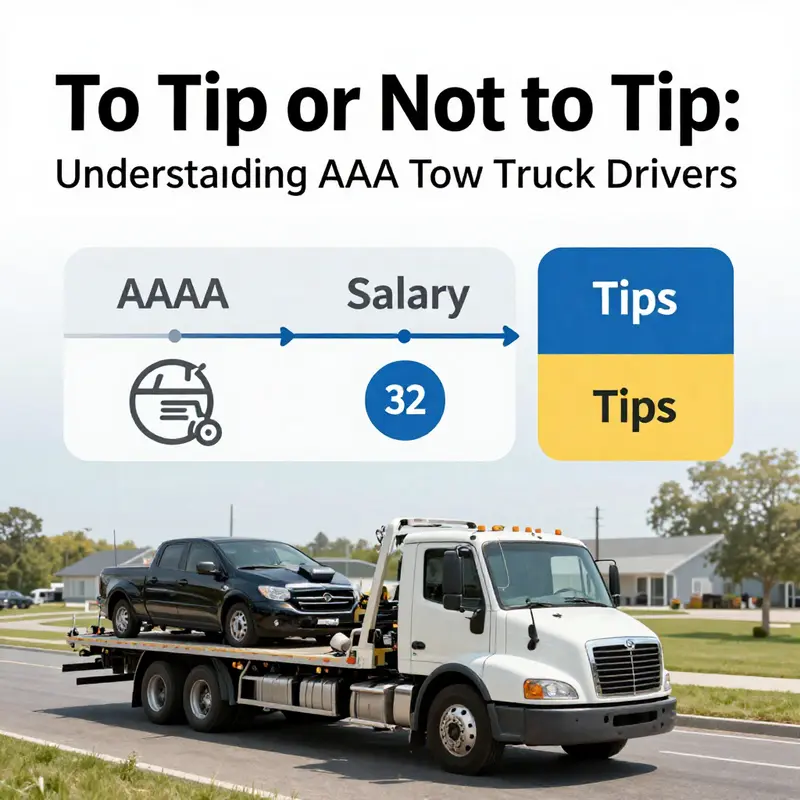
When a car breaks down, a tow truck’s arrival can feel like a small mercy in a stressful moment. The question of whether to tip a AAA tow truck driver often surfaces in those minutes, and the answer centers less on universal rules and more on context, policy, and practical considerations. In AAA’s framework, tipping is not expected or required for standard tow services. Drivers are employees paid a salary or hourly wage, and the cost of towing is typically covered by your membership fees or by the insurance or roadside coverage linked to your plan. This arrangement is designed to provide reliable help without turning every roadside interaction into a financial exchange beyond what you’ve already committed as a member. Yet, like many service encounters, the moment can raise questions about whether a gratuity might be appropriate in certain situations and how to handle it in a respectful, policy-conscious way.
In practice, the social expectation around tipping in this space is modest. Routine towing, basic roadside assistance, or standard vehicle transport are generally covered by the service plan, so there isn’t a standing norm that expects a tip for standard towing. Tipping can blur lines between paid compensation and personal reward and may complicate the driver’s relationship with their employer or the company’s policies. For most AAA calls, a simple expression of thanks and clear, calm communication about what will happen next is appropriate. A driver’s explanation of the next steps, careful handling of the vehicle, and safety-conscious conduct are the kinds of actions that deserve appreciation without money changing hands.
That said, there are exceptional circumstances where a customer may choose to offer a small gratuity as a gesture of appreciation for truly standout service—such as when a driver goes above and beyond in a difficult weather emergency, offers extra help, or provides careful guidance that reduces stress. Such gratuities are optional and not part of standard practice. The key is to recognize genuine effort while respecting policy and boundaries. It’s important to consider that tipping could be inappropriate or contrary to policy in certain contexts, so discretion matters.
Practically speaking, what should you do in the moment? If the service you receive is routine—jump-start help, a load-ahead transfer when a vehicle cannot be towed safely by standard means, or clear communication about timelines—the best course is to express thanks verbally and let the service be fulfilled within the scope of what you’ve paid for. If you choose to acknowledge the driver further, a small gratuity is optional and should be handled with sensitivity to the environment and to the driver’s boundaries. Some people prefer to leave a positive rating or a thank-you note with the company, which can carry more weight for long-term service improvement than a cash tip in the moment. This approach preserves professionalism while offering appreciation for outstanding conduct and avoids awkwardness when tipping is not customary.
Regional norms can vary. In some communities, gratuity may be less common for routine roadside help, while in others it is more accepted. The most consistent guideline is to treat the situation with respect—acknowledge the effort, assess whether the service met or exceeded expectations, and reward care and competence within policy and personal preference. For readers curious about local options or comparing providers, consider seeking local service references or looking into how regional teams handle similar calls. If you’re in Arlington, for example, you might review local capabilities to understand how regional practices align with professional standards on the road.
Within AAA’s framework, it’s also important to connect the moment to the broader policy landscape. Roadside assistance is a membership benefit focused on safety, reliability, and timely help rather than tipping as a formal channel of appreciation. Gratitude can be expressed through clear communication, patience, accurate information about the vehicle and location, and timely feedback to the company when service is satisfactory. If service falls short, a calm report to customer service can be more constructive than a spontaneous gratuity, helping improve service levels for everyone who relies on the network. In short, tipping remains optional and situational rather than a universal expectation.
If you want to understand the broader guidelines and plan coverage, consult the official AAA resources. While a tip is optional, it is never a substitute for respectful communication and safe, efficient handling of the vehicle. The driver’s primary obligation is to deliver the service securely and professionally, following the procedures your plan covers. In a crisis, stay informed, be cooperative, and acknowledge good work with warmth rather than money—unless the moment clearly warrants a small gratuity and aligns with policy and personal comfort. The experience centers on protecting people and property on the move, and tipping sits in the background of a larger commitment to dependable roadside support.
Final thoughts
Understanding the intricacies of whether to tip AAA tow truck drivers can help business owners navigate their relationships with roadside assistance providers. While tipping is generally not expected and might even go against company policies, recognizing exceptional service through a tip can be a personal choice made by individuals. Ultimately, it is vital for business owners to communicate their experiences and establish clear expectations with service providers to ensure a positive working relationship.