
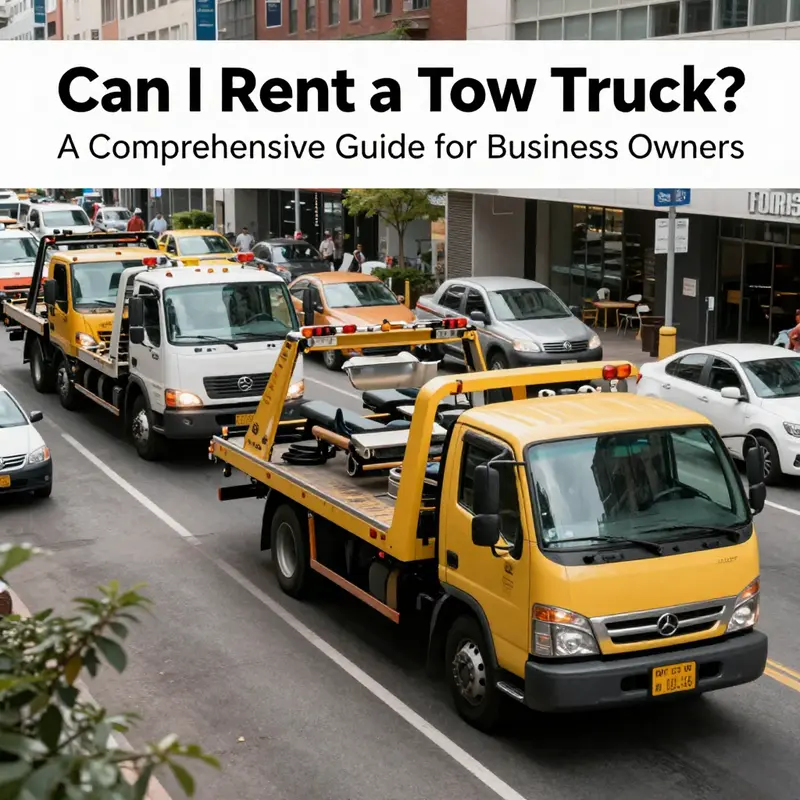
Renting a tow truck can be an excellent solution for business owners who require immediate vehicle recovery or transportation services. Whether you manage a small car dealership, operate a fleet of delivery trucks, or provide roadside assistance, understanding the rental options available can help you make informed decisions. This guide delves into the diverse rental services for tow trucks and clarifies the requirements and regulations you need to navigate. You will discover how to effectively leverage these services while ensuring compliance with local laws, thus enhancing your operational efficiency.
Tow Trucks on Demand: Navigating the Realities, Requirements, and Responsibilities of Renting Heavy-Duty Towing Equipment
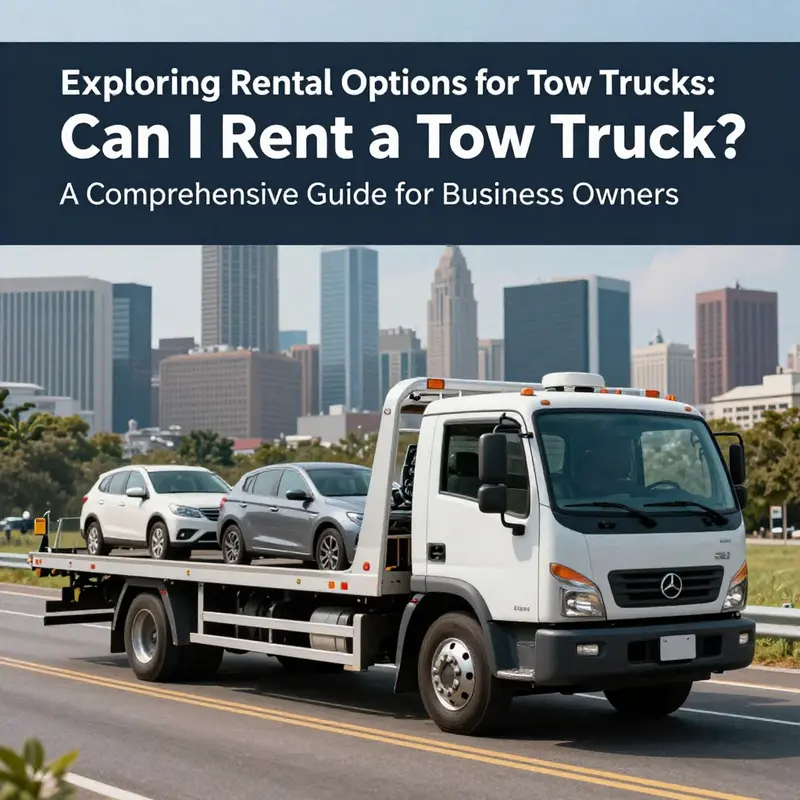
Renting a tow truck is not simply a matter of finding a vehicle with a winch and a hook. It involves understanding who is allowed to operate such machinery, what keeps it running, and what the rental arrangement actually covers. For many people, the question can I rent a tow truck? has an answer in theory, but the practical path is more nuanced. Tow trucks are specialized tools used to recover stranded vehicles, move disabled equipment, or transport vehicles from one place to another. Because these jobs demand precision, safety, and compliance with road rules, rental programs typically target commercial users rather than casual personal use. The first thing to recognize is that not all rental companies stock tow trucks, and those that do often require proof that the renter will use the vehicle for legitimate business purposes. This is not a safeguard against access; it is a safeguard for everyone on the road, the operator included, because improper use can create serious risk for people and property.
When you look at the landscape of available options, the spectrum runs from light-duty units designed to handle small pickups or sedans to heavy-duty flatbeds capable of moving large, heavy, or multiple vehicles. Light-duty tow trucks might be sufficient for small accidents or quick roadside recoveries, but they lack the capacity and stability needed for heavier jobs or complex recoveries. Heavy-duty tow trucks, including flatbeds, wheel-lifts, and specialized carriers, bring more versatility but also introduce additional layers of regulation, maintenance, and cost. The key is to match the machine to the job, not the other way around. Before you even call a rental agency, take stock of what you plan to accomplish. How far will you need to move vehicles? What types of vehicles will you tow? What road conditions might you encounter? Answering these questions helps you avoid overpaying for capability you won’t use and prevents you from finding yourself with a rig that’s ill-suited to the task.
In practical terms, most legitimate rentals come with guardrails that protect both you and the equipment. You will typically need to present a business identity, such as a tax identification or company registration, and demonstrate that you have a legitimate operator or a trained driver who holds the appropriate license. In many regions, this means a commercial driver’s license, or at least verification of driving experience with heavy equipment. The exact requirements vary by provider and by jurisdiction, but the pattern is clear: the more challenging the job, the more proof you must provide. This is not simply about age; it is about competency, responsibility, and the capacity to handle a powerful machine safely. If you cannot meet the licensing or insurance prerequisites, a rental might not be an option for you. In those cases, hiring a local towing company or arranging equipment through a specialty rental firm with a trained operator may be a better fit.
One practical step is to research available rental sources in your area. Some regions feature dedicated equipment rental companies that carry a range of vehicles designed for commercial use. Others rely on established fleet or heavy-truck rental networks that can provide a tow truck with the right configuration. In many instances, local towing service providers themselves offer rental arrangements or client-friendly partnerships. The important takeaway is that simply walking into a rental storefront won’t automatically grant access to a tow truck. You need a clear job scope, proof of qualifications, and a plan for ongoing responsibilities like insurance coverage, maintenance, and potential incidents. If you’re unsure where to start, a good starting point is a local provider of towing and recovery services. They can clarify what’s feasible for your project and whether a rental or a service engagement is more appropriate. For readers in the DC area, a nearby operator in the region can shed light on local options and requirements. See more about local DC-based tow truck service here: DC tow truck service.
Even after you confirm eligibility, there are practical considerations about the equipment itself. Tow trucks are built to perform specific tasks with particular load capacities, wheelbase lengths, and winch ratings. A mismatch between the vehicle and the job can lead to safety hazards, increased wear, and suboptimal performance. For example, attempting to tow a large SUV with a unit designed for light-duty work can strain the transmission, overtax the brakes, and create unstable handling on an uneven surface. Conversely, renting a heavy-duty unit for a routine roadside recovery may be economical if you already bear the cost of a long-distance haul or if you need the extra traction for a tricky recovery in wet or uneven terrain. The decision hinges on understanding the numbers: weight, wheelbase, payload, and the environment where you will operate. This kind of analysis typically requires a conversation with the rental provider, who can help you interpret the specifications, confirm compatibility with your needs, and suggest the most efficient and safe option for your scenario.
Moving from capability to compliance, you must also think about terms and risk management. Many rental agreements impose mileage caps, daily time limits, and deposit requirements. They may also specify who can drive the vehicle, with limitations on who may operate in certain jurisdictions or on certain roads. Inspections prior to pickup and after return are standard, and any damage discovered at checkout is usually charged to the renter. Insurance is another critical piece. You are almost certainly required to carry commercial liability coverage that extends to the rented unit. Some providers require you to add the rental as an endorsement on your existing policy, while others may offer a rental-specific policy. Either way, the insurance component is not optional. It protects you, the rental company, and third parties if an accident or equipment failure occurs. If you already manage fleet insurance or a business liability policy, bring those documents to the rental conversation. They can expedite the process and clarify what is and isn’t covered under your plan.
The cost structure for tow truck rentals is another topic that deserves careful attention. Rates are typically calculated by the day, with additional charges for extended hours, mileage beyond a stated limit, and the use of added equipment or features such as a flatbed or wheel-lift platform. There may also be a fuel surcharge, especially if the truck requires significant running time between locations or if it is left on-site for long periods. Deposits are common, and they may be nonrefundable if the vehicle returns with excessive damage, beyond normal wear and tear. In some markets, weekend or off-hour access carries a premium, while longer-term arrangements might yield a lower daily rate but require a stricter minimum rental period. As you discuss a potential rental, ask for a written estimate that itemizes every fee and condition—no surprises later. If you can, compare a few providers side by side to get a sense of typical terms in your area.
Beyond the numbers, there is a human element to renting a tow truck. The operator who will handle or supervise the work matters as much as the machine itself. Ask about the experience level of the driver, the training they have received, and the safety practices they follow. Some jobs require specialized handling—think precarious recoveries from ditches, over uneven ground, or near traffic. In these cases, you may benefit from partnering with a rental source that can supply not just the vehicle but a qualified operator who can manage the job safely and efficiently. If a rental doesn’t include an operator, ensure you or your staff have the necessary credentials and a clear plan for risk management, including traffic control, lighting for nightwork, and a method for communicating with any on-site personnel or bystanders. Safety should govern every decision, from the route you choose to the method of securing a vehicle for transport.
As you map out your approach, consider whether renting a tow truck is the right tool for the job at hand or if a towing service engagement would be more practical. For short-term needs, especially in urban settings, hiring a local operator with a suitable vehicle can offer the flexibility and immediacy you require without committing to a long rental period. For larger fleets, scheduled recoveries, or complex moves, a rental may enable you to complete a project on your terms. Either path benefits from a clear plan, transparent pricing, and a line of sight to who will operate and supervise the task. In all cases, gather all relevant documents before you commit, including licenses, insurance proofs, driving records if required, and a detailed scope of work. This groundwork reduces friction at the point of pickup and helps ensure the job proceeds smoothly.
For anyone exploring the practicalities, a local reference point can be a powerful ally. If you’re in the DC area, the regional operator who understands local roads, regulations, and typical job profiles can help you decide whether a rental makes sense or whether a service engagement is more suitable. An informed conversation about vehicle specification, operator qualifications, and insurance requirements can save time and avoid costly missteps. By approaching the decision methodically—assessing the job, confirming licensing and insurance, and clarifying terms—you can navigate the lane between renting and hiring with clarity and confidence. External resources can also provide broader context for what to expect in the market. For a broader look at heavy-duty vehicle rental options and industry practices, you can consult an industry resource: https://www.rentatruck.com.
What You Need to Rent a Tow Truck: Licenses, Limits, Insurance, and Practical Steps
What You Need to Rent a Tow Truck: Licenses, Limits, Insurance, and Practical Steps
Renting a tow truck is possible, but it requires preparation. Policies vary by provider, vehicle class, and local law. Before you commit, understand the common requirements rental companies enforce. Knowing these rules keeps you legal and safe, and it prevents surprise costs or canceled reservations.
At the most basic level, renters must prove they can legally operate the vehicle. A valid, unexpired government-issued driver’s license is mandatory. For light-duty trucks, that license is usually sufficient. For heavier wreckers or commercial-style trucks, a commercial driver’s license or specific endorsements may be required. Rental firms often check the license upon pickup, and some may verify driving history during booking.
Age and driving experience matter. Many companies impose a minimum age, typically 21, with higher fees or stricter rules for drivers under 25. Some providers raise the minimum to 25 for heavier or specialized trucks. In addition, firms may require a certain number of years of driving experience. If your driving record includes major violations, convictions, or recent suspensions, you may be denied rental privileges.
Payment and financial responsibility are next. Expect to provide a major credit card in the renter’s name. This card covers rental fees and acts as a security deposit for damages or policy violations. Cash-only arrangements are rare for tow trucks. Ask about pre-authorization holds, daily limits, and refund timelines for deposits. Know that payment terms vary between independent tow providers and general equipment rental companies.
Insurance and liability are critical. Basic liability coverage may be included, but it often has limits. You should confirm exactly which incidents are covered. Collision or comprehensive coverage is an additional cost in many cases. If you have personal or commercial auto insurance, check whether it extends to rented tow trucks. If your policy excludes rental tow vehicles, purchase supplemental coverage. Also verify the provider’s commercial liability and worker’s compensation policies, especially if you will work near traffic or load large vehicles.
Vehicle class and towing capacity determine licensing and permit needs. Rental companies categorize trucks by capacity and equipment type. Light-duty flatbeds and small tow dollies have fewer restrictions. Heavy-duty wreckers and rotators often require a commercial driver’s license and possibly special permits for oversized loads. Ask the rental agent for the truck’s gross vehicle weight rating, towing capacity, and recommended towing limits. Never attempt to tow more than the specified capacity.
Local and interstate regulations can affect your rental. Some states require permits to tow certain loads or to operate commercial vehicles on public roads. If you plan to cross state lines, confirm whether your agreement allows out-of-state travel and whether additional permits or paperwork are necessary. In some cases, the rental company may assist with permits or require you to obtain them before departure.
Training and competency expectations are practical but significant. Even when a license suffices, rental companies expect renters to be competent with the equipment. This includes safe winching procedures, correct vehicle loading, and proper use of safety chains and tie-downs. Some providers offer a short orientation or demonstration at pickup. If no demo is provided, ask for one. If you lack hands-on experience, consider hiring an operator or using a towing service instead.
Pre-rental inspection and documentation protect both parties. Inspect the truck carefully before you accept it. Note body damage, tire condition, lights, and winch operation. Photograph existing damage and ensure the agreement lists it. Confirm the truck carries required safety equipment: reflective triangles, fire extinguisher, working lights, and securement straps. A documented inspection limits disputes over damage claims.
Understand contract terms and permitted use. Read the rental agreement carefully. Note mileage limits, geographic restrictions, allowed cargo types, and prohibited uses. Many companies forbid off-road use, racing, or hauling hazardous materials. Pay attention to fuel policy, cleaning fees, and late-return penalties. Get any verbal promises in writing to avoid confusion.
Security deposits, additional fees, and holdbacks can add up. Deposit amounts scale with vehicle class and perceived risk. Additional costs can include roadside assistance fees, damage waivers, environmental fees, and charges for unapproved drivers. Ask for an itemized quote to compare offers. Clarify what triggers loss of deposit or additional billing.
When planning a rental for commercial work, consider registration and commercial paperwork. If you intend to use the truck for business, ensure your company’s registration and insurance documentation are current. Some rental companies ask for proof of authority, tax ID, or business liability insurance. If you are moving another vehicle for hire, verify whether local commercial regulations apply.
Safety standards and DOT compliance deserve attention. Commercial tow trucks may have to meet Department of Transportation inspection standards. Ensure the truck has current inspections and certifications. Ask whether the company offers roadside assistance or backup in case of mechanical failure. Confirm who pays for towing or repairs if the rented truck breaks down.
Practical tips help simplify the process. Call ahead and ask detailed questions about vehicle class, license requirements, and additional driver policies. Request a written estimate that includes taxes, fees, and potential surcharges. Opt for a provider that explains safety features and provides a short vehicle walk-through. If you lack experience, arrange for an operator or professional tow service instead of driving the truck yourself.
Finally, verify credentials and reputation. Check the rental company’s credentials and licensing with local authorities or business registries. Read customer reviews and ask for references when possible. A reputable provider will be transparent about restrictions and will not pressure you into waivers that remove basic protections.
If you want to see a local example of practical towing services and policies, consider reviewing options for a reliable regional provider such as the tow truck service Washington DC that lists equipment and service details. For additional, provider-specific rules and the general eligibility checklist many rental firms use, consult the official rental requirements page linked below.
External resource: https://www.uhaul.com/rental-requirements
Final thoughts
In conclusion, renting a tow truck offers significant advantages for various business operations, from immediate vehicle recovery to transportation needs. By understanding the options available and complying with necessary regulations, you can optimize your operations and enhance service offerings. This ensures not only efficiency but also legal adherence, creating a solid foundation for success in your industry. Stay proactive and explore reliable rental services to elevate your business’s capability.