
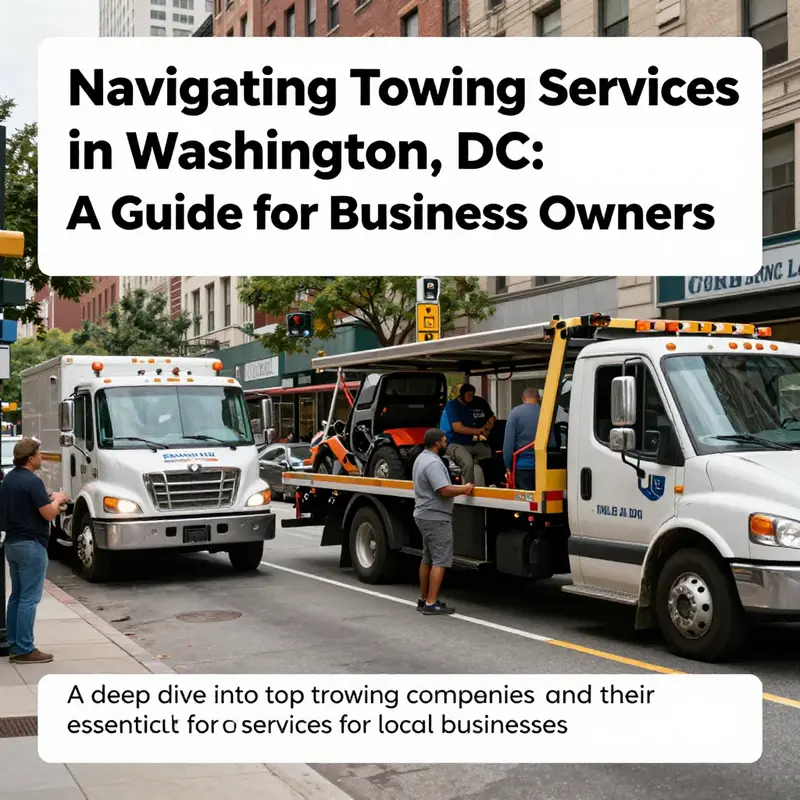
Understanding the landscape of towing services in Washington, DC, is crucial for business owners who may require assistance on the road. With various towing companies available, each offering unique services and ratings, it’s essential to identify the most reliable partners for your needs. The following chapters will not only provide an overview of notable towing companies and their ratings but will also delve into the types of services these companies offer, ensuring you have the necessary information to make informed decisions.
From Proximity to Performance: Charting Washington DC’s Towing Landscape
When a vehicle breaks down on a busy DC corridor, time matters. Washington, DC’s roads present a mix of high-speed ramps, historic neighborhoods, and congested downtown streets. In this setting, choosing a towing partner is about rapid response, clear communication, and reliable coverage rather than just price. The DC towing scene blends national networks with strong local knowledge, and the best operators emphasize three things: arrival speed, dispatch clarity, and careful handling from pickup to drop-off. Among the top options is AAA Washington DC, a national network that offers 24/7 roadside assistance including towing, battery jump-starts, fuel delivery, and lockout services, backed by a fleet focused on safety and timely dispatch. Reviews on Google and Yelp consistently highlight safety, proactive customer service, and readiness to respond even in gridlocked conditions. For frequent travelers, membership plans can provide predictable coverage across states and metropolitan regions. In Washington DC, local operators add essential speed and local context. Capital Towing & Recovery is often praised for prompt response times and staff who explain steps clearly, meeting in the field at the determined meeting point, and using proper lifting techniques for flatbeds and wheel-lift to protect the vehicle. Their dispatcher understands the city’s corridors, from stadiums to government districts with heavy traffic. Licensed and insured operations add accountability and confidence for drivers who want protection and recourse if something goes wrong. Metro Towing & Recovery, a Northeast DC based family-owned company, combines personal service with modern safety practices. They are known for explaining the process, confirming destinations, and providing realistic pickup and drop-off timelines, especially when roadwork and detours complicate the trip. Proximity matters in DC, and nearby providers like Morton’s Towing & Recovery, Get Em Gone Towing, JNH Transportation, and Columbia Fleet Service often win trust through quick response and transparent communications. Morton’s, located a short drive from central DC, is frequently cited for solid ratings and a broad offering that includes towing, roadside assistance, and accident recovery. Get Em Gone Towing emphasizes speed in dense corridors, while JNH Transportation and Columbia Fleet Service extend reach into exurban pockets, ensuring help is close when it matters most. Beyond the speed of the response, the DC landscape shares three core considerations for drivers: licensing and insurance, pricing transparency, and clear, proactive communication. A licensed operator carries the necessary liability coverage and adheres to state and municipal rules, while clear pricing up front helps reduce anxiety during a stressful moment. In practice, the best DC providers balance proximity with performance, maintain up-to-date licensing and insurance, and publish straightforward pricing or operate transparent estimate practices. For readers seeking a deeper DC focus, local resources and reviews provide additional perspective on how these providers perform in real-world scenarios. In short, DC towing combines the reliability of nationwide networks with the nimbleness of local operators, delivering on-time arrivals, clear explanations, and fair pricing when motorists need help most.
Lifelines on the Beltway: The Full Range of DC Towing Services
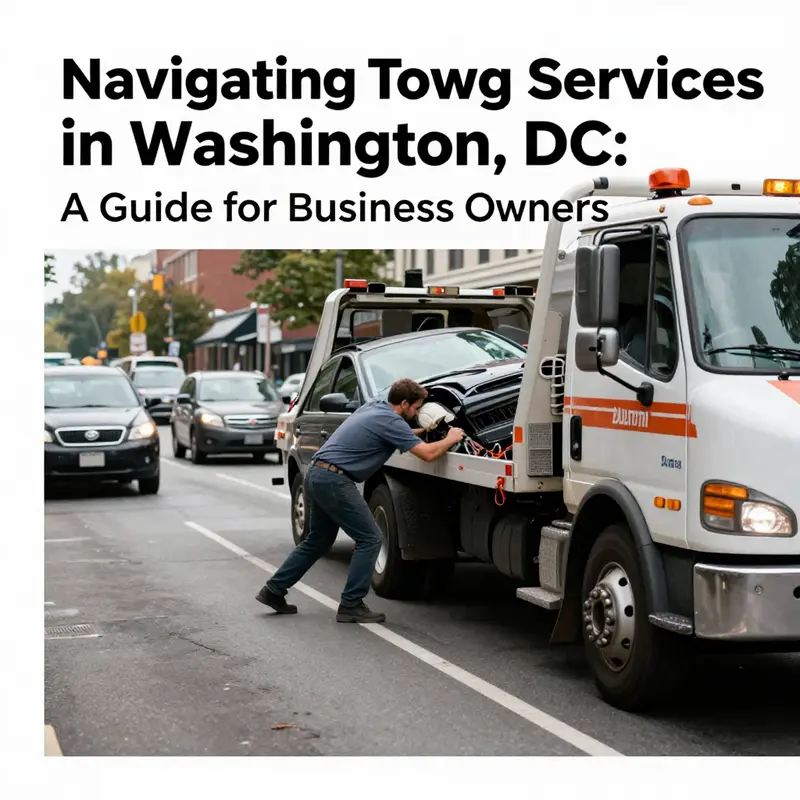
The capital region traffic ecosystem is a living, breathing organism. Between the morning rush, the afternoon deliveries, and the late-night rides home, every mile presents a chance for a stalled engine, a flat tire, or a locked-out door. In Washington, DC, the people who respond to these moments do more than haul cars from point A to point B. They act as a lifeline, a carefully choreographed blend of equipment, trained hands, and real-time logistics designed to restore momentum quickly and safely. The scope of services that towing companies in the DC area offer reflects the complexity of modern commuting and the variety of situations motorists encounter on a city’s streets and highways. Rather than a single problem-solver, these providers function as a small, disciplined fleet focused on rapid assessment, careful handling, and transparent communication with drivers under stress. Their repertoire is not simply “tow now” but a spectrum of techniques that preserve safety, limit damage, and minimize downtime for vehicles that are, in one way or another, essential to daily life in the nation’s capital.
Emergency roadside assistance sits at the core of this ecosystem. The moment a vehicle becomes disabled—whether due to a collision, an engine failure, or a sudden loss of power—the clock starts ticking. The primary objective is to reach the scene with proven equipment and trained personnel who can stabilize the situation, determine the safest course of action, and execute it with minimal risk. In many cases this means towing to a repair facility, but the process can also involve on-site stabilization, fuel or battery assistance, or a battery charge to bridge the gap to a service bay. This on-scene decision-making is critical in a dense urban area where traffic patterns, limited access routes, and curbside constraints shape every move. The technicians are taught to prioritize safety—for the driver, the vehicle, and nearby pedestrians—while maintaining clear, calm communication about what comes next. The result is a service that feels less like a distant, anonymous dispatch and more like a courteous, capable partner on the roadside.
Lockout scenarios are a particularly common feature of city life. A momentary lapse, a stray moment of distraction, or a crowded street can lead to a driver standing on a busy curb with the keys locked inside. In that instant, the towing operator’s role expands beyond vehicle recovery to security and access. Modern lockout techniques emphasize non-destructive entry whenever possible, preserving the integrity of door seals, alarms, and electronic systems. The right equipment and technique can mean the difference between a quick unlock and a prolonged struggle, especially with modern vehicles that rely on a network of sensors and immobilizers. Even when access tech is required, the goal remains the same: restore mobility with minimal risk and at a predictable, transparent cost.
Battery services deserve the same careful treatment. A dead or dying battery in DC’s climate can turn a routine departure into a standstill in minutes. Reliable providers bring portable jump-start gear, or in some cases battery replacement on the curb, to regain power quickly. The procedure isn’t merely about getting the vehicle running; it includes assessing the alternator’s health, the charging system’s ability to sustain operation, and whether a jump-start is a temporary fix or a sign that a replacement battery is warranted. In the city, where a long winter or a humid summer can strain electrical systems, the ability to diagnose and respond with precision is essential. The human factor—courtesy, patience, and a clear explanation of next steps—often matters almost as much as the technical skill.
Tire services complete the triad of immediate road-side actions that keep wheels turning. A flat tire can derail a trip in an instant, and DC’s varied terrain—from crowded streets to uneven parking lots—tests the durability of every rubber contact patch. A trained tow technician can perform on-site tire changes, assess wheel integrity, and advise on whether a spare or a replacement is the prudent route. In many cases, they can swap a tire swiftly, minimizing the time a driver spends exposed to traffic. When a tire can’t be safely changed on the spot, the vehicle can be carefully loaded and transported to a nearby tire shop or repair facility, ensuring the vehicle remains stable throughout the move.
Fuel delivery rounds out the essential set. Running out of gasoline in a city with congested corridors can create a cascade of delays that ripple through schedules for delivery drivers, commuters, and service fleets. A towing operator who can deliver fuel to a stranded vehicle provides a crucial, immediate relief that keeps someone moving without forcing a longer wait for a tow. This service is particularly valuable for drivers who may not have immediate access to a nearby gas station or who prefer not to risk driving on an empty tank to the nearest pump. The fuel deliverer must be mindful of safety and the rules around transporting such materials, and the interaction remains one of the more straightforward, highly valued roadside tasks.
Beyond these core offerings, specialized services expand the ability of DC towing providers to meet broader needs. Vehicle transport, for example, is about moving a car from one location to another without driving it, which can be crucial for auctions, car showrooms, or repair shop logistics. Junk car removal is another common capability, turning an end-of-life vehicle into a recycled asset rather than a blight on a street or lot. Recovery from difficult locations—ditches, steep inclines, or other tricky terrain—requires careful planning, the right equipment, and seasoned personnel who can manage potential hazards while extracting a vehicle without causing additional damage. Each of these services demands not only technical competence but also meticulous risk assessment and a clear line of communication with the customer.
In the DC market, the emphasis on prompt response times and around-the-clock availability is not merely aspirational; it is a defining attribute. The capital’s drivers often operate under time pressure, whether they’re heading to work, catching a flight, or meeting a service appointment. The best providers differentiate themselves not solely by price or speed, but by consistency, transparency, and a demonstrated track record of safe handling. A well-run operation keeps customers informed about status, ETA, and the expected path of action. This transparency reduces anxiety in a tense moment and helps build trust for future needs. The value of such trust compounds in a city where street layout decisions, parking constraints, and security concerns can complicate even routine tows or recoveries.
For motorists evaluating options, several practical criteria emerge from the field. First, licensing and insurance are non-negotiables. A legitimate operator carries appropriate credentials and a policy that protects drivers, property, and others who might be affected by a roadside incident. Second is pricing transparency. In emergency contexts, the fear of hidden fees can multiply stress; clear, upfront estimates that explain mileage, labor, and any additional charges create a healthier, more predictable experience. Third is service area and availability. Some providers focus on the core DC core while also serving nearby suburbs; others center their operations in the surrounding counties and rely on short-response networks to reach the district quickly. The geographic reality of the region means that proximity matters, but so does the provider’s internal routing efficiency and fleet size. The most dependable options combine a robust service footprint with efficient dispatching, ensuring a predictable arrival window even when city traffic has other ideas.
The value of customer feedback in shaping which provider to call should not be underestimated. Local platforms capture a slice of lived experience—the timeliness of the response, the professionalism of the crew, and the overall reliability of the service. Ratings can provide a useful compass, but drivers should consider the broader context: a high rating from a substantial number of reviews often signals durable consistency; a perfect score from just one or two customers, while appealing, deserves closer scrutiny. In the DC landscape, this nuance matters because the stakes of a roadside incident can be high, and the correct interpretation of a provider’s strengths requires looking at several data points beyond a single rating.
When the time comes to act, motorists benefit from a straightforward approach. If you are stranded, call the nearest available service via a trusted hotline or app, rather than attempting a DIY fix that could put you and others at risk. If you are able to prep, gather basic information: your location, vehicle type, the nature of the problem, and any safety concerns about the scene. Clarity about the problem helps the dispatcher assign the right equipment and personnel, reducing delays and improving outcomes. As a practical touch, consider sharing a landmark or cross-street in a city with complex intersections; this small detail can dramatically shorten arrival times. For ongoing planning, it helps to know that DC towing providers commonly maintain around-the-clock operations and a broad service menu to cover a wide range of emergencies, from minor inconveniences to major recoveries.
For readers who want a quick sense of the local landscape, such as how to locate options outside central DC or how to gauge a provider’s readiness, one practical path is to consult a DC-focused service overview online. For a practical overview of DC-specific towing options and service areas, visit washington-dc-towing. The page underscores the geographic focus, the breadth of services, and the emphasis on reliable, safe handling in the city’s busy environment.
As motorists navigate the decision-making process, another useful step is to review credible external sources that summarize local sentiment and options. For a snapshot of how the broader community views local towing services in DC, consider checking the Yelp roundup of the best towing options in Washington, DC. The page aggregates customer experiences, highlights response times, and communicates the range of services offered. This external perspective can help a driver calibrate expectations about what a reputable provider can deliver in an urgent moment. See https://www.yelp.com/biz/the-best-10-towing-in-washington-dc for a sense of how neighbors describe the strengths and limitations of nearby providers. The combination of on-the-ground experience and published feedback helps travelers and residents choose a partner they feel confident with when time is tight and stakes are high.
In sum, the DC towing landscape today is more than a collection of tow trucks. It is a coordinated service network that blends fast on-scene assessment, diverse on-site capabilities, and careful post-incident follow-through. From emergency pulls to premium recovery work, the vehicles and crews operating in the district are designed to minimize disruption and maximize safety. For drivers, this means a dependable safety net that is there when needed most—any hour of the day, any day of the week. The right provider will combine capability with transparency and empathy, ensuring that even a stressful moment on the road can be resolved with clarity, speed, and care.
Final thoughts
In summary, having a reliable towing service in Washington, DC, is invaluable for business owners. With insights gained from the overview of leading companies and the services they offer, business owners can rest assured knowing who to contact in times of need. By selecting a towing partner based on proximity, reputation, and service offerings, businesses can enhance operational efficiency and peace of mind.